Bangladesh poised to become leading global investment hub: Titumir
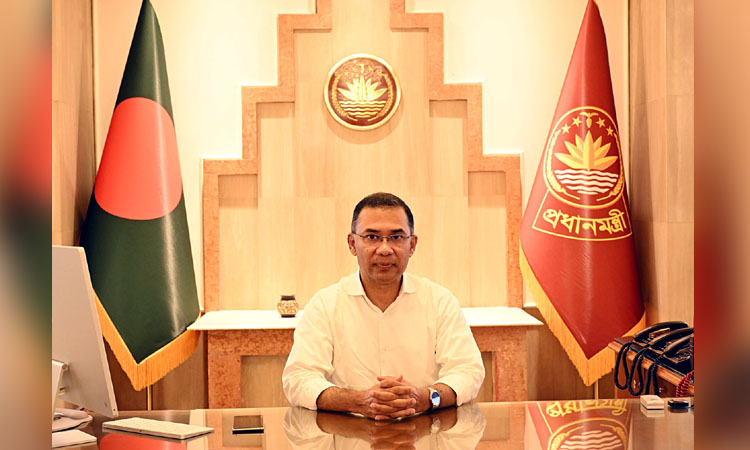
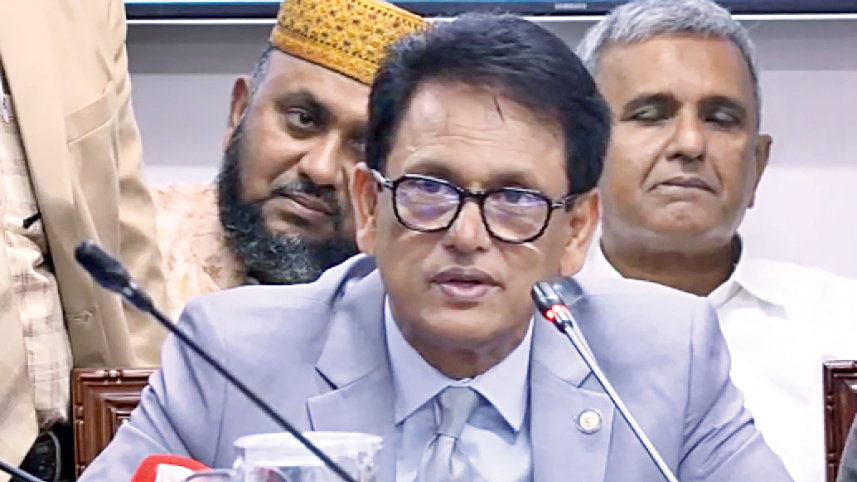
DHAKA, June 17, 2026 (BSS) - Prime Minister's Adviser on the ministries of Finance and Planning Dr. Rashed Al Mahmud Titumir today said Bangladesh has the potential to emerge as the world's next major investment destination, adding that the proposed budget for fiscal year 2026-27 has laid the groundwork for achieving that goal.
"Vietnam was yesterday's success story, Indonesia is today's reality and Bangladesh can be the most promising investment destination of tomorrow. Policy continuity, energy security, skilled human resources and effective implementation would be a key to attracting investment," he said.
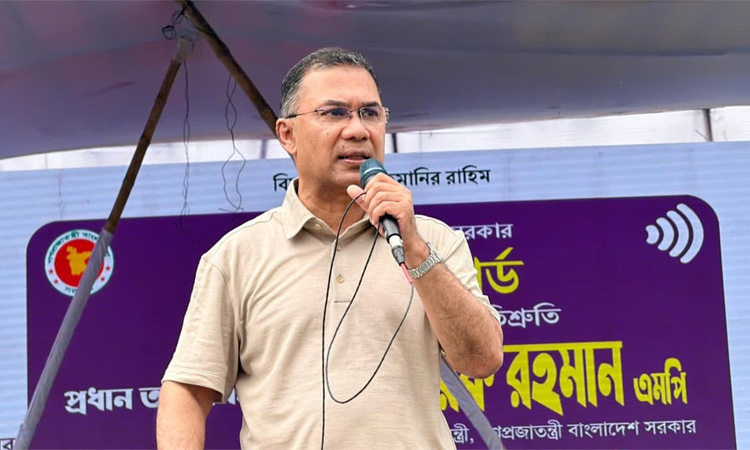
The adviser made the remarks while speaking at a discussion on the proposed budget jointly organized by the Metropolitan Chamber of Commerce and Industry (MCCI) and the Policy Research Institute (PRI) at Police Plaza in the city.
Titumir outlined five priority areas for boosting investment, including policy continuity, ease of doing business, industrial financing, energy security and infrastructure development.
He said the government has introduced a five-year tax policy framework for the first time to help investors make long-term plans with greater certainty.
Efforts are also underway to simplify regulatory procedures and reduce bureaucratic hurdles to create a more business-friendly environment, he added.
To support industrial growth, the government has announced a Tk 60,000 crore financing programme, which he said would be performance-based rather than distributed indiscriminately as in the past.
On energy security, Dr. Titumir said the government is working to diversify energy sources, increase gas supply, build strategic reserves and expand the use of renewable energy and LNG to ensure uninterrupted power supply for industries.
He also stressed the need for an integrated multimodal transport system, particularly stronger rail connectivity between the eastern and western regions of the country, to reduce transportation costs for agricultural and industrial products.
Highlighting the importance of human capital, the adviser said investment benefits could only be fully realised through education, skills development, innovation and civic values.
In the health sector, he announced plans to establish a national health system through the recruitment of 5,000 doctors and 100,000 health workers, alongside the expansion of upazila hospitals from 50 to 100 beds.
Dr. Titumir also emphasised the need for a universal social safety net to protect citizens throughout their lives amid growing global uncertainties.
On revenue management, he said the government would focus on increasing revenue collection by curbing tax evasion, reducing unnecessary exemptions and preventing fraud.
He also pledged reforms in project planning, implementation and evaluation to improve transparency and prevent delays.
The adviser said the government values constructive criticism and remains committed to ensuring accountability in budget implementation with support from the business community.
Among others, MCCI President Kamran T. Rahman, PRI Chairman Dr. Zaidi Sattar, economist Dr. Bazlul H. Khondker and Standard Chartered Bangladesh CEO Naser Ezaz Bijoy also spoke at the discussion.