Saturday
22 August, 2026
News Flash
News Flash
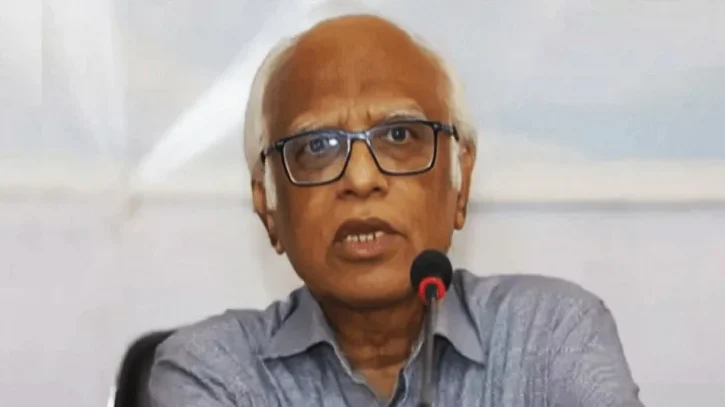
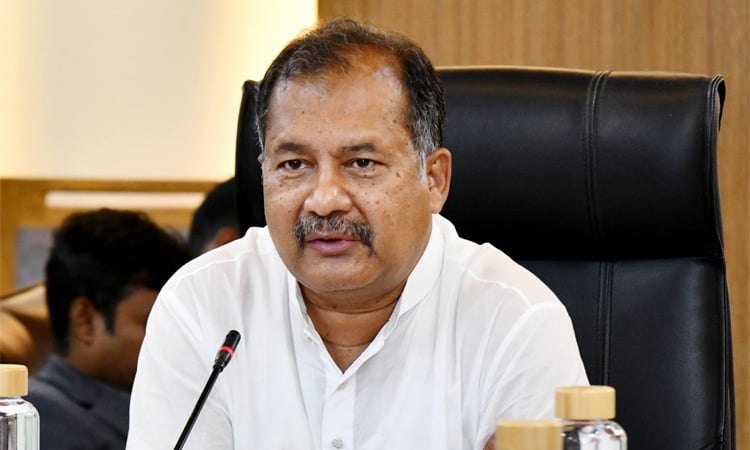
DHAKA, Jan 12, 2026 (BSS) - Planning Adviser Dr Wahiduddin Mahmud today said the government expects a turnaround in the implementation pace of public investment projects from the next fiscal year, driven by governance reforms, improved project management, and stricter approval and monitoring mechanisms.
“The implementation slowdown that we had hoped would be temporary has unfortunately continued this year as well,” he said while briefing reporters after the meeting of the National Economic Council (NEC), the country’s highest economic decision-making body, after approving Revised Annual Development Programme(RADP) for the current fiscal year (FY26) at the NEC Conference Room in the city’s Sher-e-Bangla Nagar area.
He also said that project quality has improved, overall development spending has been constrained by structural, administrative and political factors.
“The government had focused on improving the quality of development spending and strengthening accountability, even though these reforms have slowed project execution in the short term,” he added.
The NEC meeting today approved the RADP for the current fiscal year, reducing the size of the development budget by around 15 percent compared to the original allocation.
The original ADP itself was set conservatively, reflecting weak implementation performance in previous years.
Prof Mahmud said the reduced RADP did not necessarily indicate a lack of development needs but rather a shortage of implementable and well-prepared projects.
“Even after excluding unacceptable projects and approving the rest, some block allocations still remain unutilised due to a shortage of viable projects,” he noted.
The Planning Adviser said the broader economic slowdown could not be attributed to the smaller ADP alone.
He said high interest rates—maintained by Bangladesh Bank to curb inflation—have also weighed heavily on small and medium enterprises, he said.
He said while the central bank has introduced concessional credit lines for working capital, commercial banks have been reluctant to lend to SMEs, preferring higher returns elsewhere.
As a result, Mahmud said, many areas that rely less on remittance inflows have been hit harder by the slowdown, as development projects have progressed slowly.
Dr Mahmud cited the longstanding weaknesses in project management, particularly the shortage of competent project directors, widespread delays and sharp cost overruns. He also showed examples where project costs rose by several hundred percent due to prolonged implementation periods.
To address these issues, the NEC approved several policy decisions, including the creation of an informal pool of trained officials with backgrounds in economics, statistics, planning and project management.
These officials will be identified within the civil service and prioritised for postings in planning-related roles and as project directors.
“This is not a new cadre, nor does it give anyone special privileges,” Mahmud said. “But, it ensures that trained and experienced officers are deployed where their expertise is most needed.”
He also said all self-financed projects of autonomous and state-owned entities costing more than Tk 50 crore will now require approval from the Executive Committee of the National Economic Council (Ecnec).
“This will strengthen accountability and help curb inflated costs,” he said.
Mahmud said the government has deliberately imposed stricter conditions on new project approvals, including mandatory progress and quality reports and, in some cases, independent mid-term evaluations by external experts.
“These conditions may slow implementation initially, but they are essential for improving quality and reducing waste,” he said.
He also pointed to the full rollout of the new electronic public procurement system, which has temporarily slowed procurement but increased competition and transparency. According to Mahmud, the average number of bidders per tender has risen sharply, indicating more competitive pricing.
Under the revised ADP, allocations to some sectors have increased while others have been cut sharply.
Spending under the Local Government Division has risen beyond the original allocation due to faster execution of rural road and infrastructure projects aimed at boosting local employment.
In contrast, allocations for education have been significantly reduced.
Mahmud said the cuts were partly due to the winding down of donor-funded sector-wide programmes and delays in transitioning to domestically financed projects.
He said emergency approvals were later granted to prevent disruption of essential health and family planning services after funding gaps emerged earlier this year.
Despite the current challenges, Mahmud expressed cautious optimism that project implementation and development spending could regain momentum in the next fiscal year, provided political stability improves and fully return of investment confidence.
“We want both better quality and a larger volume of development spending,” he said. “In this transition period, we may be stumbling, but the reforms we have undertaken are necessary if we are to achieve sustainable and effective development in the coming years.” He added.