First factory of CEIZ to be launched in 18-month: Ashik Chowdhury
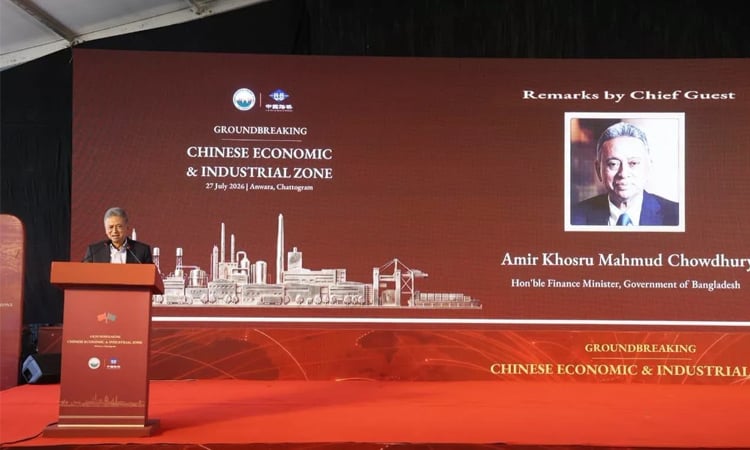
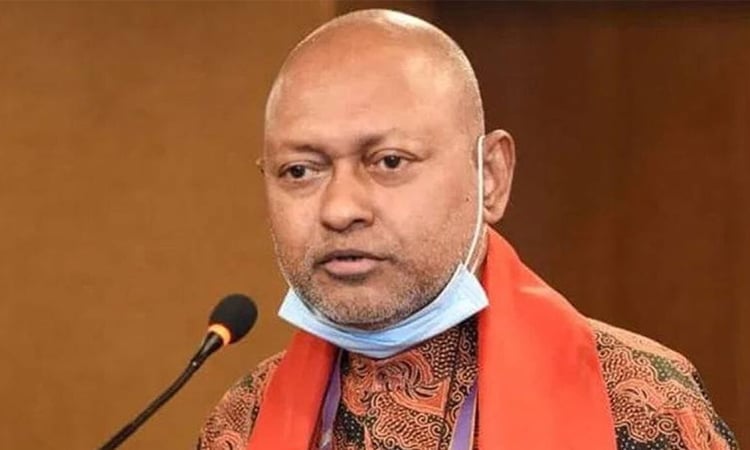
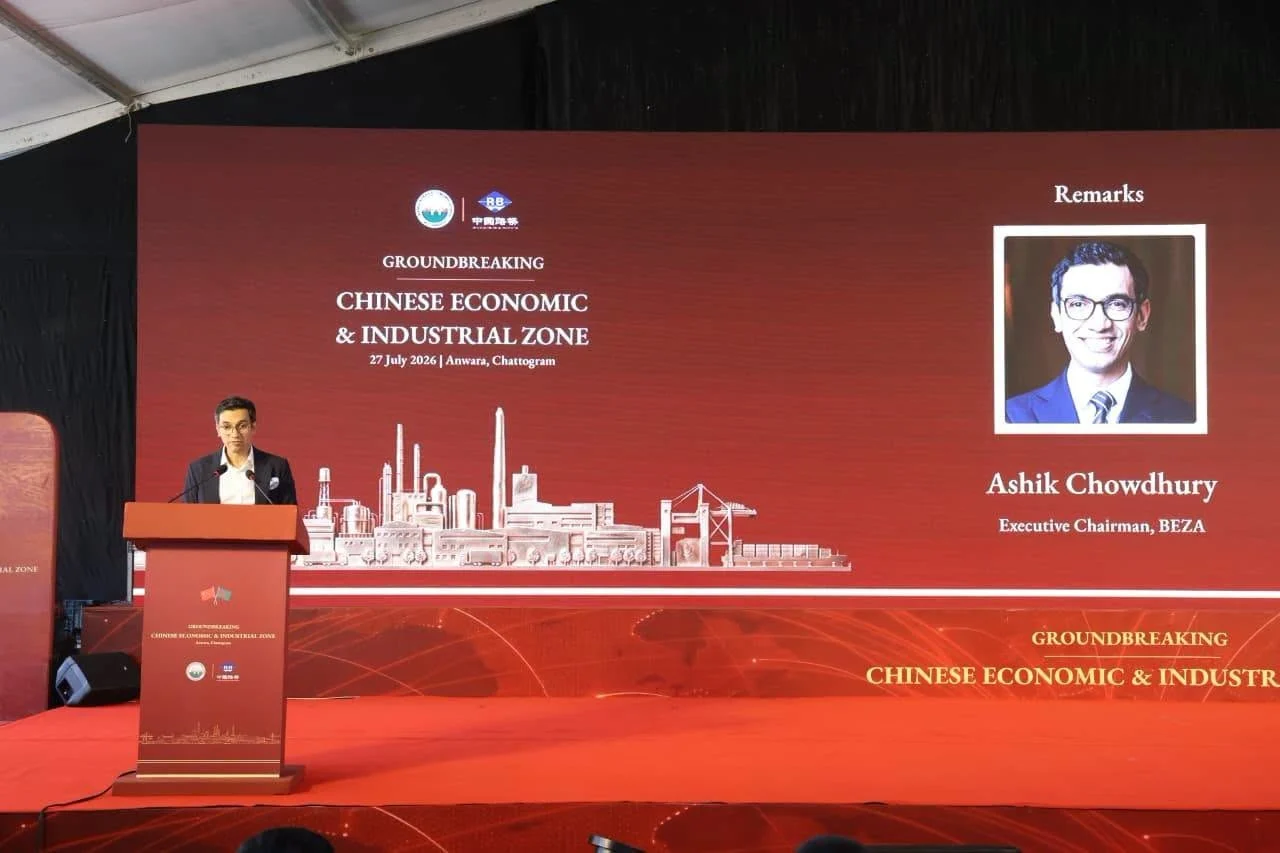
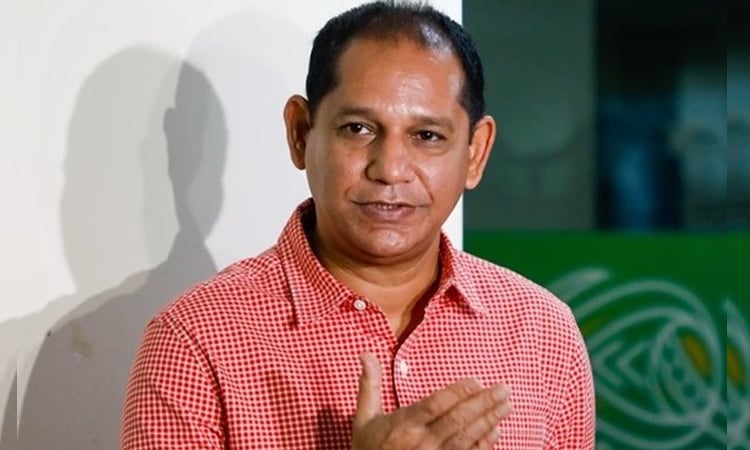
CHATTOGRAM, July 27, 2026 (BSS)- The Executive Chairman of the Bangladesh Economic Zones Authority (BEZA) Chowdhury Ashik Mahmud Bin Harun announced that Prime Minister Tarique Rahman aims to see the first factory in the China Economic and Industrial Zone (CEIZ) under construction in Anwara upazila here within the next 18 months.
A Chinese developer company has committed to commencing production within the designated timeframe, in response to the Prime Minister's challenge, he mentioned.
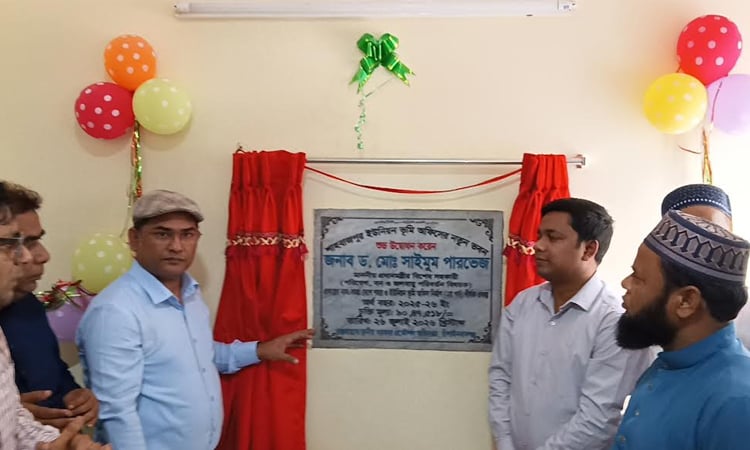
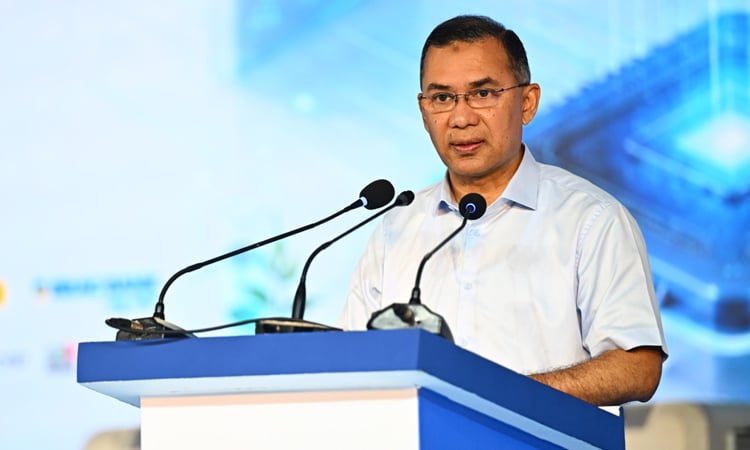
This statement was made by the BEZA Executive Chairman during the foundation stone laying ceremony of the Bangladesh-China Economic Zone in the Belchura area of Anwara, Chattogram today.
At the ceremony, Ashik Chowdhury, who concurrently serves as the Executive Chairman of the Bangladesh Investment Development Authority (BIDA), noted that during the Prime Minister's recent visit to China, a meeting took place with the chairman of the developer company.
"Initially, it was indicated that the zone would require three to five years to become operational, however, the Prime Minister challenged the timeline to launch the first factory within 18 months. Later, the chairman of the developer company also assured that production would commence within this timeframe," he stated.
The Premier urged for comprehensive support from Chinese investors, emphasizing that foreign investors are our esteemed guests, the BEZA Executive Chairman said.
"They will not only yield profits from their investments but also create employment opportunities for thousands in the country. A swift launch of this zone will significantly transform the region," he added.
Ashik Chowdhury appealed to local public representatives and residents to support the investors.
Encouraging collaborative efforts to address any challenges, the BEZA Executive Chairman asserted that the nation's interests must take precedence.
He reiterated that investment is crucial for the country's advancement and called upon everyone to assist in attracting foreign investment.