Friday
11 September, 2026
News Flash
News Flash
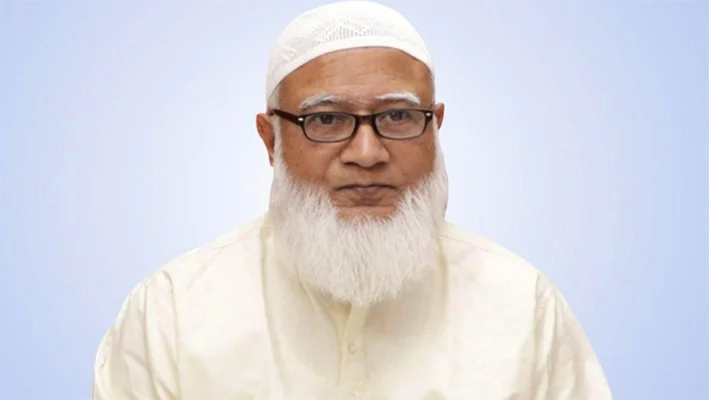
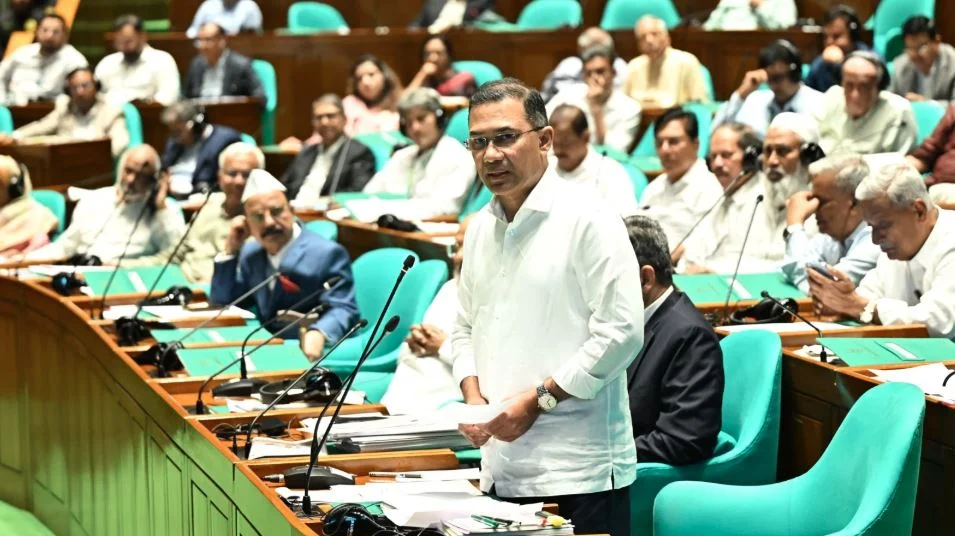
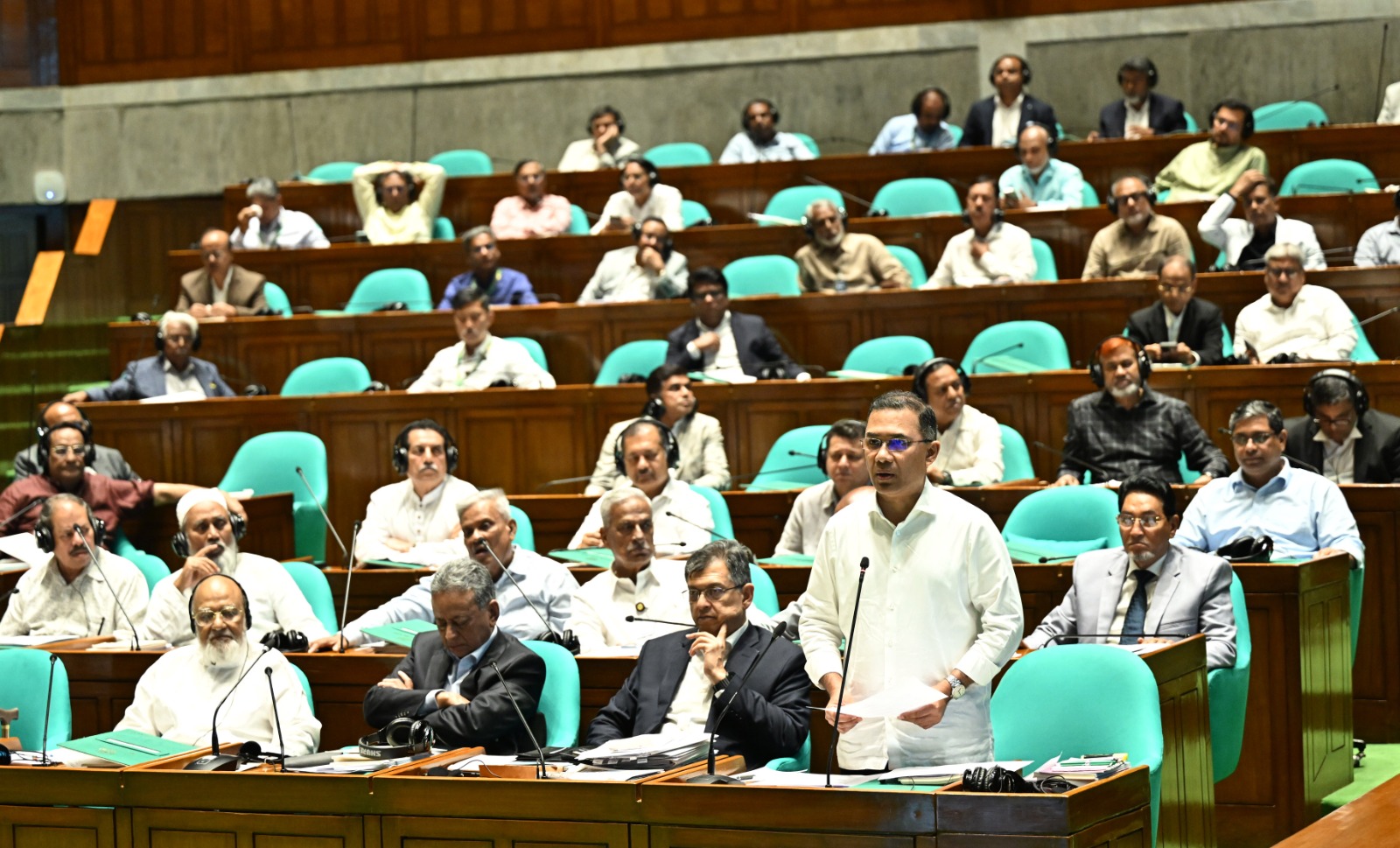
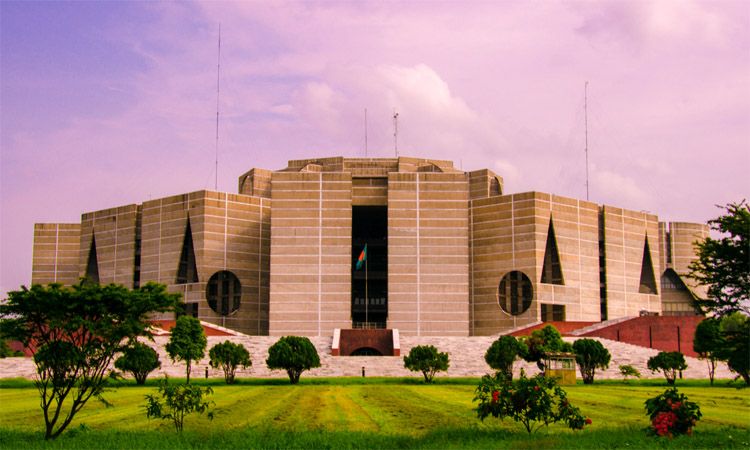
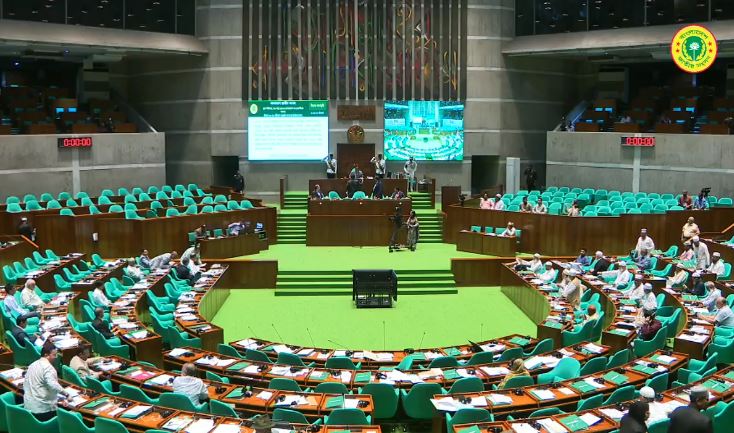
SANGSAD BHABAN, Sept 10, 2026 (BSS) - Leader of the Opposition and Bangladesh Jamaat-e-Islami Ameer Dr Shafiqur Rahman today said the ruling and opposition will work together as the country can set an example.
"We hope that the ruling and opposition will work together to take the country forward and make the nation united so that the country can set an example in parliamentary democracy," he said.
The Leader of the Opposition made the remarks while delivering a speech in the House before the prorogation of the third session of the current 13th Parliament.
He said the nation has sacrificed a lot for establishing democracy and good governance but every time the country has failed to fulfill people's aspirations.
In July 2024, people across the country ousted the fascist regime which carried out killing, enforced disappearance and misrule on the people, aiming to bring a reform in the ruling system in the country and to establish people's rights.
After the national election on February 12, this year, the opposition leader said a great opportunity again has come and people voted for the ruling BNP with the hope that all the necessary reforms which had been decided by the interim government would be fulfilled.
To bring necessary reform, Dr Shafiqur Rahman said around 68 percent people have voted in the referendum. If the government implements the reform recommended by the consensus commission, a major change will come in the country as the reform will help to prevent the return of the fascist regime.
Shafiqur said the parliamentary election and referendum were held simultaneously, but the verdict of the referendum has yet to be implemented.
He claimed that 68.2 percent of voters voted "Yes" in the referendum and said the prime minister had also supported a "Yes" vote during the election campaign.
"Reforms should be completed as we all agreed that fascist rule cannot return to our country. I think time has not yet run out," he said.
He urged the government to respect the people's verdict and implement their aspirations.
To bring a visible change in the country, Dr Shafiqur Rahman also called on the government to take visible initiatives to eradicate drugs and illegal arms from the country, saying these are serious concerns for the entire nation.
Shafiqur said Bangladesh wants a sincere relationship with its neighbour, but such a relationship requires goodwill from both sides.
"If we truly want to be sincere neighbours, both sides must express their goodwill," he said,
adding that the people of Bangladesh no longer want to see bodies like Felani's lying on the barbed-wire fence at the border and they do not want to see Bangladeshi citizens being indiscriminately picked up and killed on the border.
He said Bangladesh could no longer tolerate the suffering of people in northern Bangladesh over the unresolved Teesta water-sharing issue.
The opposition leader urged the government to pursue a strong and independent foreign policy in dealing with the issues, including the renewal of water-sharing treaties with neighbouring countries.
The opposition leader said people should be evaluated and appointed to appropriate positions based on merit, skills, commitment and integrity.
He said the government had also announced that a merit-based society would be built, but such a society was not visible in many areas.
Talking about corruption, Shafiqur said corruption had spread throughout society and warned that no development plan would succeed unless it was brought under control.
"If we cannot rein it in, no matter how many plans we make, none of us will ultimately see success," he said.
Raising contemporary issues like fuel and fertilizer crisis in the country, Shafiqur said the industrial and agricultural sectors were facing threats due to the power and fertilizer crisis, creating concern among the people.
He urged the government to prioritise measures to save industries and agriculture, even if additional funds had to be allocated by cutting expenditure elsewhere.