Thursday
10 September, 2026
News Flash
News Flash
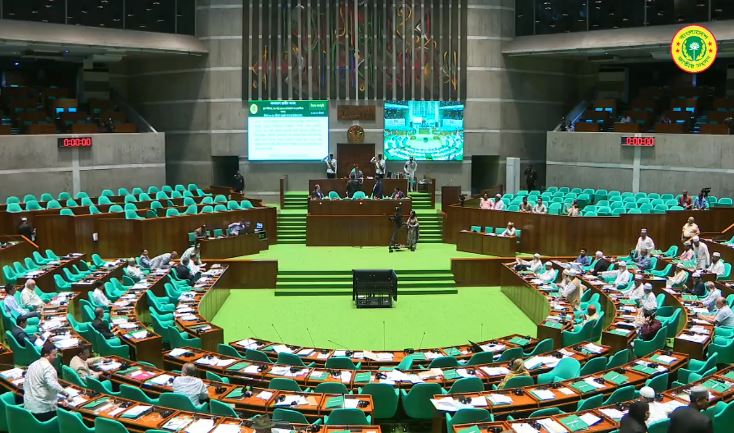
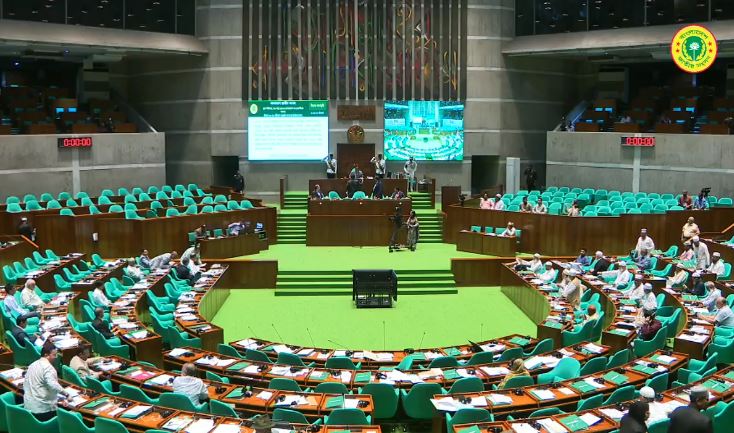
SANGSAD BHABAN, Sept 10, 2026 (BSS) – The Jatiya Sangsad today passed two bills - the Special Response Battalion (SRB) Bill, 2026 which aims to abolish the Rapid Action Battalion (RAB) and establish a new Special Response Battalion and another bill to expanding the investigative power of the Armed Police Battalions.
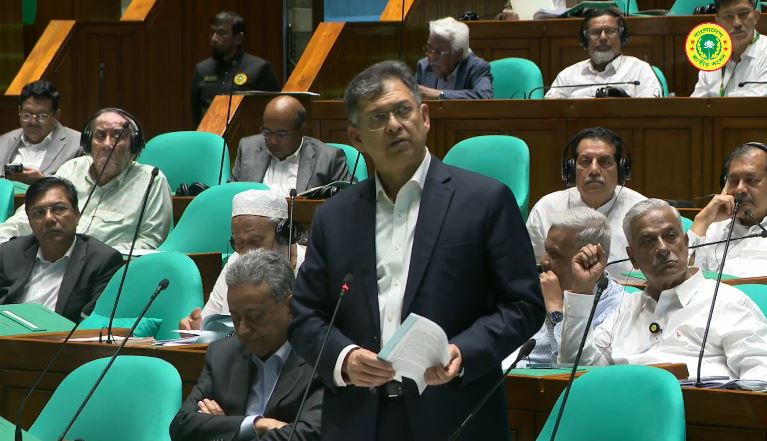
Home minister Salahuddin Ahmed placed both bills before the House, which passed them by voice vote.
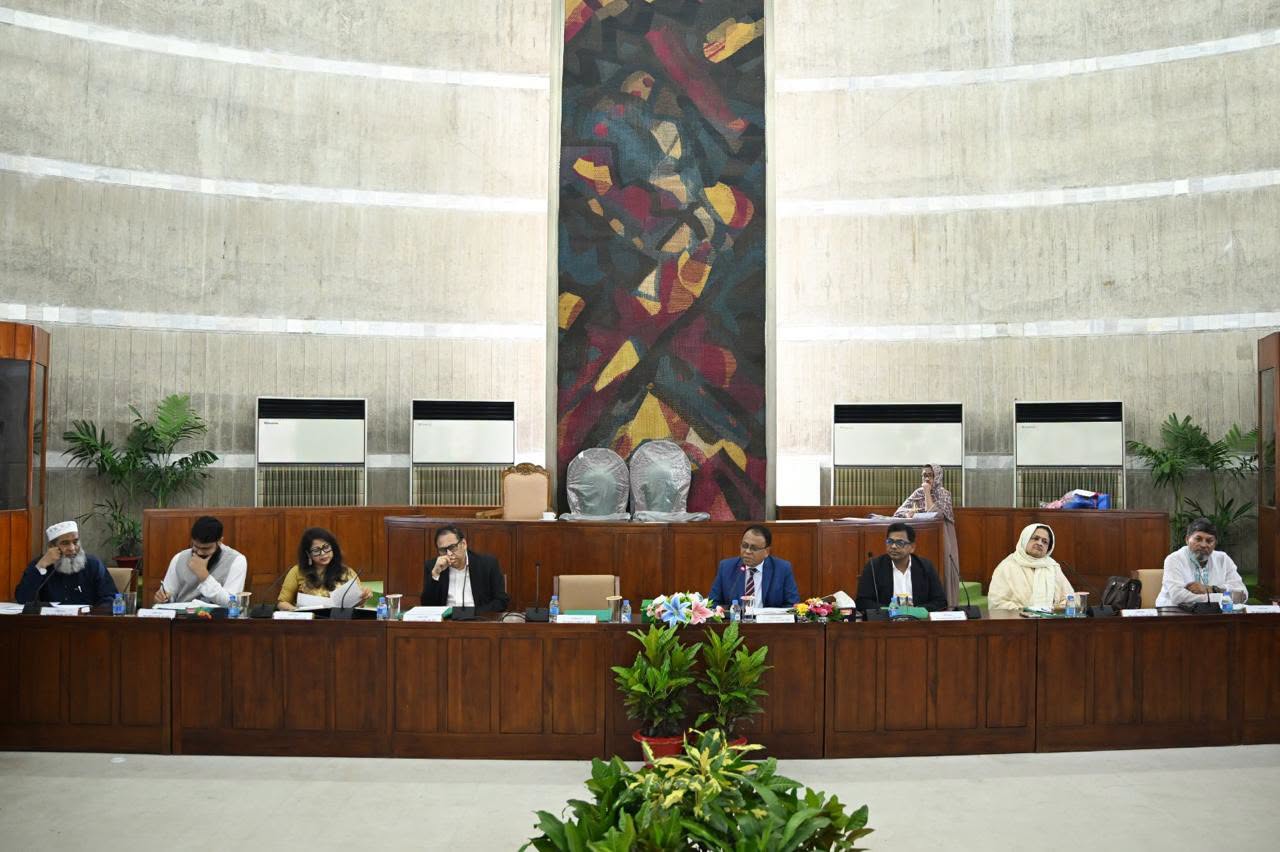
The two bills were initially tabled on September 3 and were later examined by the parliamentary standing committee on the home ministry.
The committee’s report included notes of dissent from opposition members.
The bill on SRB seeks to establish the SRB by removing the provisions relating to RAB from the Armed Police Battalions Ordinance, 2003, which provided the legal basis for the formation of RAB.
The RAB was formed in 2004 under the amended ordinance and has faced criticism over allegations of human rights violations and enforced disappearances.
The government is now repealing the ordinance and enacting separate laws for the SRB and the Armed Police Battalion (APBn).
Home Minister Salahuddin Ahmed moved the bill for immediate consideration. Opposition members called for sending it to a select committee and for public opinion to be sought before its passage.
Leader of the Opposition Dr. Md. Shafiqur Rahman, Jamaat-e-Islami lawmakers Md Ruhul Amin, Md Rashedul Islam Rashed, Nurul Islam and Muhammad Nazibur Rahman, and independent MP Sk Mozibur Rahman Iqbal took part in the discussion.
The bill provides for an SRB under the police force. The unit will be formed by deploying or appointing, on deputation, police personnel, members of law enforcement agencies and a specified number of officers, armed personnel or employees, according to government requirements.
The rank structure, recruitment procedures and service conditions of SRB personnel will be determined by rules. The unit will have its own flag, emblem and prescribed uniform.
The director general of the SRB will be a serving police officer holding a rank no lower than additional inspector general of police.
Under the bill, RAB’s manpower, orders, powers, authority, existing facilities, funds, cash and bank balances, liabilities, contracts, movable and immovable property, registers, records and other documents will be transferred to the SRB.
Until rules are framed under the new law, departmental disciplinary proceedings and court proceedings relating to RAB under the 2005 rules will remain in force.
The SRB will have powers to investigate criminal offences, conduct searches, make arrests and seize property. The bill also provides for detention facilities, stores and interrogation rooms under the unit.
It also provides for a complaint redress committee to deal with complaints from citizens and internal grievances of unit members. An additional director general of the unit will chair the committee.
Replying to the opposition, Home Minister Salahuddin Ahmed said abolishing RAB was a BNP commitment and that delaying the bill will mean allowing RAB to continue to exist.
He said the bill was discussed by the parliamentary standing committee and has also been available on the ministry’s website for a long period for public feedback.
The minister said the complaint redress committee will deal with departmental complaints against members of the unit.
He said RAB will be abolished once the law is passed and a new battalion called the SRB will subsequently be established.
Salahuddin said the assets and equipment currently held by RAB have to be transferred somewhere because they are state property.
He said transferring them to the new organisation will avoid unnecessary fresh procurement.
After passing the SRB Bill, the Jatiya Sangsad also passed the Armed Police Battalions (APBn) Bill, 2026, repealing the Armed Police Battalions Ordinance, 1979.
The bill provides for APBn units under the police force, including the Special Security and Protection Battalion, hill battalions, airport battalions and any other battalions specified by the government.
The proposed law gives APBn powers to investigate criminal offences and, subject to the Code of Criminal Procedure and other applicable laws, to enter premises, conduct searches, seize property and make arrests.
The bill also bars APBn members from directly or indirectly publishing, or assisting in publishing, information or documents in electronic media or newspapers without prior approval from the competent authorities.
The APBn Bill was passed by voice vote after opposition proposals for sending it to a select committee and seeking public opinion were disposed of.