Thursday
03 September, 2026
News Flash
News Flash
KHULNA, Sept 2, 2026 (BSS) - Khulna University (KU) Vice-Chancellor Professor Dr Md Rezaul Karim today said the government is placing greater emphasis on the education sector to improve the quality of education and research.
"Work is underway to advance research activities in the country through the Higher Education Acceleration and Transformation (HEAT) project," he said, expressing hope that the initiative would help enhance the international reputation and identity of Khulna University.
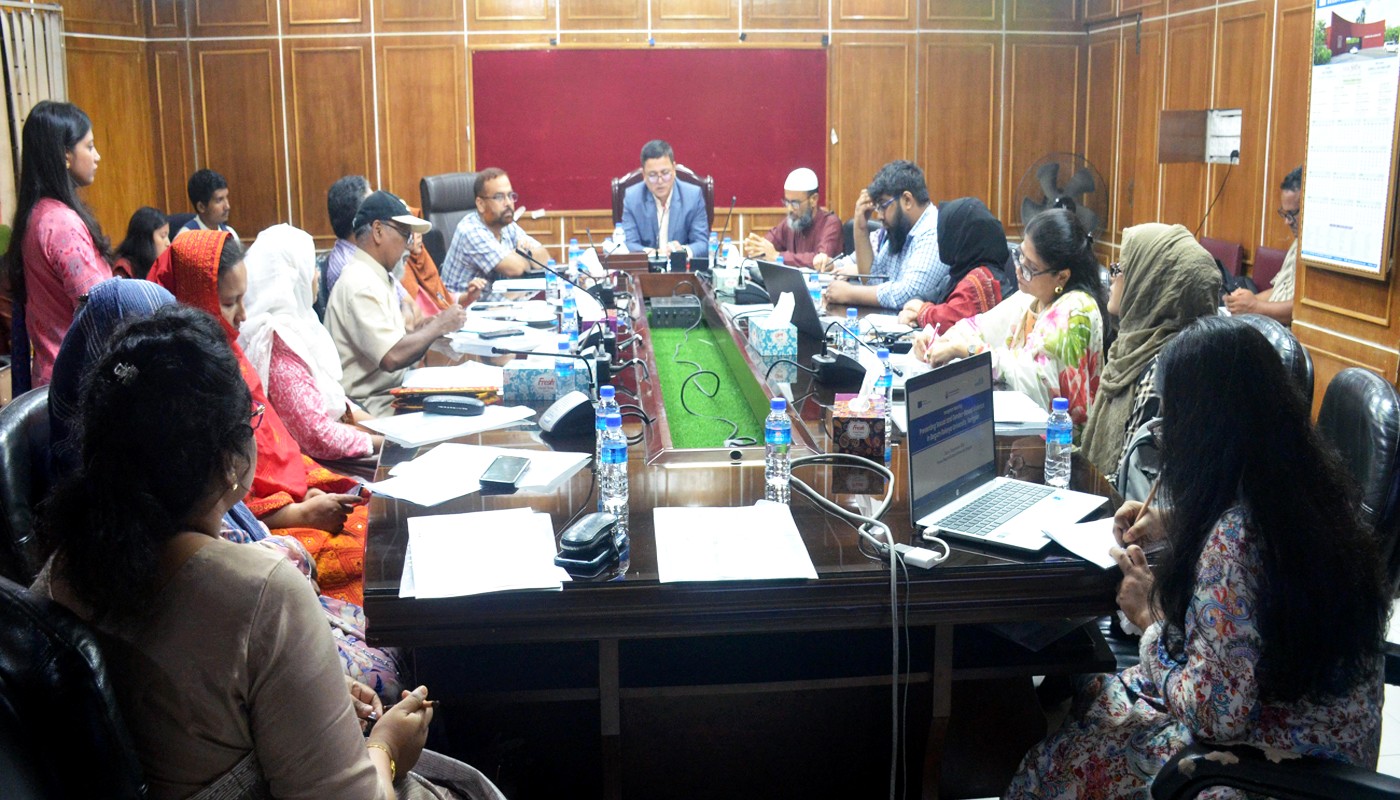
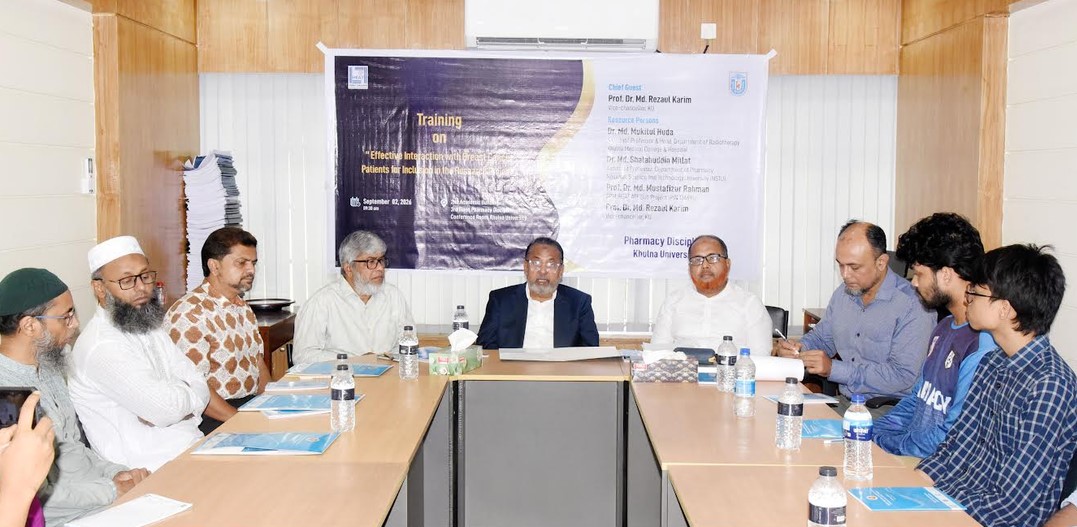
The VC was speaking as the chief guest at a training programme on effective communication with breast cancer patients for their inclusion in research projects at KU.
The training, titled "Effective Interaction with Breast Cancer Patients for Inclusion in the Research Project," was organised at the conference room of the Pharmacy Discipline under a HEAT sub-project being implemented by the discipline.
Professor Rezaul Karim said research allocations at Khulna University had also been increased alongside the HEAT project.
"The increased allocation is encouraging both teachers and students to engage in research. The main objective is to generate new ideas through research," he added.
Director of the Research and Innovation Centre Professor Dr Kazi Mohammad Didarul Islam presided over the programme, while Professor Dr Md Mostafizur Rahman, Sub-Project Manager (SPM) of the sub-project, delivered the welcome address.
Acting Head of the Pharmacy Discipline Professor Dr Md Jamil Ahmed Shilpi, teachers, Assistant Sub-Project Manager (ASPM) and participating students were present.
Assistant Professor and Head of the Department of Radiotherapy at Khulna Medical College and Hospital Dr Md Mukitul Huda, Assistant Professor of the Pharmacy Department at Noakhali Science and Technology University Dr Md Salauddin Millat and SPM Professor Dr Md Mostafizur Rahman conducted different sessions as resource persons.
The training focused on effective and sensitive communication with breast cancer patients to facilitate their participation in research activities.
Participants were briefed on appropriate communication strategies, including how to exchange information with patients, remain sensitive to their mental and emotional conditions, and encourage them to participate in research projects.