Tuesday
04 August, 2026
News Flash
News Flash
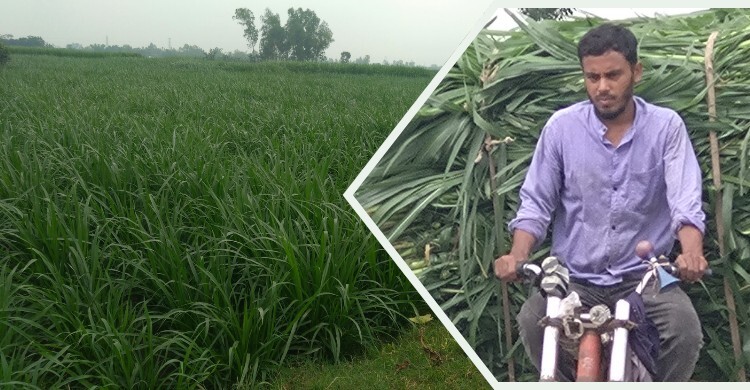
RANGPUR, June 2, 2026 (BSS) - Commercial cultivation of high-yielding Napier grass has gained widespread popularity across the northern districts, significantly boosting the rural economy and reducing dairy production costs by around 40 percent.
Farmers in Rangpur, Lalmonirhat, Kurigram and Nilphamari are increasingly converting paddy fields and fallow land into Napier grass plots.
The rising prices of straw and commercial cattle feed have driven this shift, making the nutritious green fodder a primary source of feed for local dairy farmers.
According to growers, while traditional double-cropping of rice yields a net profit of around Taka 40,000 per acre annually, Napier grass can be harvested four to five times a year, generating a net profit of up to Taka 100,000.
Once planted, the grass provides continuous harvests for four to five years with minimal expenditure on fertilisers, pesticides and labour.
The fodder is also becoming a profitable commercial commodity in local markets. Traders purchase a bundle from farmers for Taka 4 and sell it at retail for Taka 9 to 10, with demand surging ahead of Eid-ul-Azha.
Agriculture experts said Napier grass is rich in protein and fibre, which helps accelerate livestock growth and increase milk production. It requires minimal irrigation and can be cultivated easily on fallow land or around homesteads due to its high resistance to diseases.
To sustain the country's dairy sector, the Department of Livestock Services (DLS) has been distributing Napier grass cuttings free of charge and providing training to farmers on a regular basis.
Official data show a sharp increase in cultivation across the eight districts of Rangpur division. Fodder cultivation expanded from 4,040 acres in the 2023-24 fiscal year to more than 11,090 acres in the current 2025-26 fiscal year, with a production target of approximately 97,000 metric tonnes.
Rangpur District Livestock Officer Dr Nazmul Huda told BSS that the growing adoption of Napier grass at the grassroots level has helped address the rising costs of commercial cattle feed.
“This high-yielding grass not only meets the nutritional needs of livestock and reduces farming expenses by 40 percent, but it is also poised to play a vital role in strengthening the rural economy of the Rangpur region,” he added.