Tuesday
08 September, 2026
News Flash
News Flash
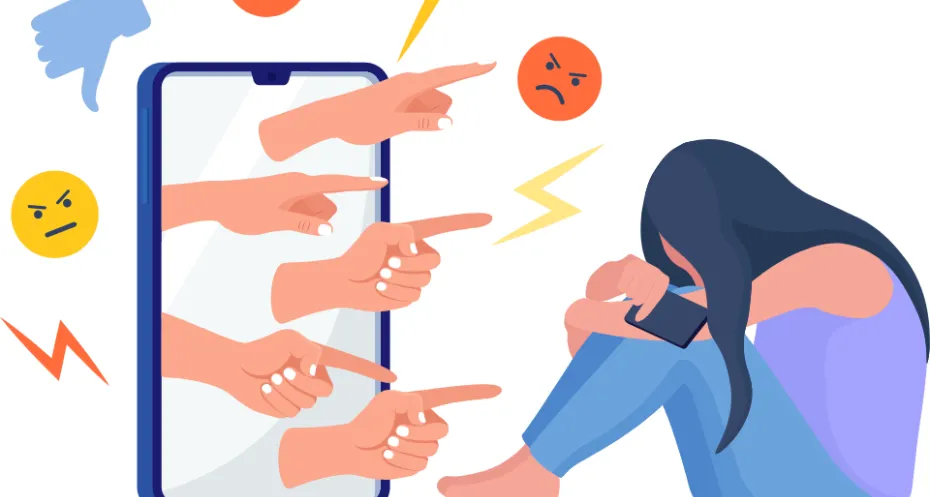
DHAKA, May 12, 2026 (BSS) - Nearly 89 percent of women social media users in Bangladesh have experienced online violence at least once, according to a recent study conducted by the Bangladesh Bureau of Statistics and the United Nations Population Fund (UNFPA).
The study found that women, children, adolescents and gender-diverse individuals are increasingly becoming victims of technology-facilitated gender-based violence (TFGBV), with women aged between 18 and 30 identified as the most affected group.
The report also revealed that 75 percent of victims do not report incidents due to fear of social stigma and discrimination.
According to the Bangladesh NGOs Network for Radio and Communication (BNNRC), although technology has made communication and access to public services easier, its misuse has also increased significantly.
Many people are facing online blackmail, identity theft, image manipulation and the leakage of personal information.
Common forms of TFGBV include cyberstalking, cyberbullying, doxxing, hacking, online harassment, image-based abuse, child grooming, technology-assisted sexual abuse and gender-based hate speech.
Director General (Administration) of the Bangladesh Telecommunication Regulatory Commission, Md. Mehedi-Ul-Sahid, said the commission received 13,023 complaints last year seeking the removal of harmful social media content.
He said more than 12,000 pieces of content were removed following those complaints.
He also noted that 90 percent of the complainants were women, highlighting the growing scale of online harassment against women.
He stressed the need for greater awareness within families to help prevent and address such harassment.
According to Police Cyber Support for Women, a total of 60,808 women sought assistance over cybercrime-related incidents by September 2024.
Among the victims, 41 percent experienced doxxing, 18 percent reported Facebook account hacking, 17 percent faced blackmail, 9 percent were victims of impersonation, and 8 percent complained of cyberbullying.
Joint Secretary of the Information and Communication Technology Division Mohammad Azizul Haque said Bangladesh already has several laws to address technology-facilitated gender-based violence.
However, he emphasized the need to increase public awareness regarding those laws.
He stressed the importance of strengthening policies and institutional frameworks, improving access to justice and remedies for victims, ensuring accountability of technology companies and service providers, and increasing awareness at individual, family and community levels to prevent and combat online gender-based violence.
He suggested linking social media accounts with national identity cards and introducing country-specific digital services to reduce fake accounts. He also urged women to become more aware of safe social media practices.
Deputy Director of the Legal Aid Department Masuda Yesmin said legal aid centres are available in every district court across Bangladesh.
She said people from all economic backgrounds can seek free legal assistance and advice by visiting those centres or by calling the hotline number 16699.
She noted that it becomes difficult for police to take action if victims do not seek legal support, emphasizing the need for greater awareness about legal aid services.
Acting Director General of the NGO Affairs Bureau Khalilur Rahman Khan pledged to expedite approval of projects aimed at addressing technology-facilitated gender-based violence.
He also emphasized the importance of raising awareness among users about various forms of online violence and fraud committed through digital platforms.
Additional Superintendent of Police Suman Ahmed said women are the most frequent victims of doxxing online, accounting for 48 percent of such cases.
He explained that doxxing involves publishing personal information, including home addresses and phone numbers, without consent in order to threaten or harass victims.
He said women facing online violence can file complaints through the Police Cyber Support for Women hotline at 01320000888, the Facebook page “Police Cyber Support for Women-PCSW,” or by email at [email protected].
Former Director of Bangladesh Women in IT Kaniz Fatema said the psychological effects of online violence on women can be long-lasting and difficult to overcome.
She stressed the need to create an environment where victims of technology-facilitated gender-based violence feel encouraged to seek legal support.
She noted that women are often harassed through fake social media accounts created under hidden identities. To prevent this, she suggested making national identity verification mandatory for opening social media accounts.
Kaniz Fatema also urged the government to engage with Meta under Bangladesh’s data protection laws and introduce country-specific services, which she believes could help reduce the creation of fake accounts.