Tuesday
12 May, 2026
MANILA, April 12, 2022 (BSS/AFP) - Rescuers hampered by mud and rain
searched Tuesday for survivors of landslides that smashed into villages in
the central Philippines, as the death toll from tropical storm Megi rose to
27.
More than 17,000 people fled their homes as the storm pummelled the
disaster-prone region in recent days, flooding houses, severing roads and
knocking out power.
At least 21 people were dead after landslides slammed into several
villages in Leyte province -- one of the hardest hit by the storm -- local
authorities said.
Three people were also killed in the central province of Negros Oriental
and three on the main southern island of Mindanao, according to the national
disaster agency.
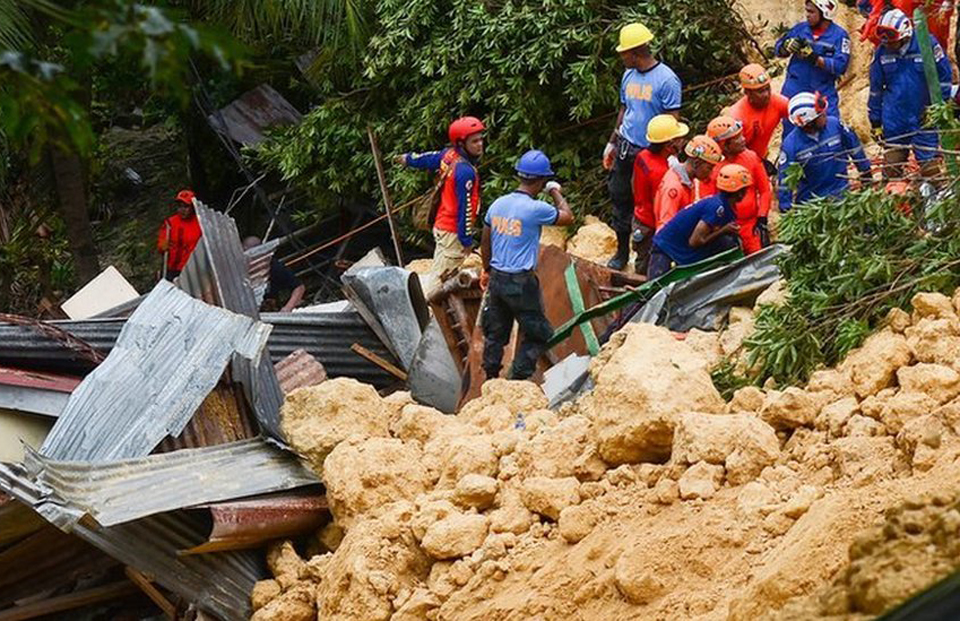
Photos showed the rooftops of several homes in Bunga, one of the Leyte
communities affected, poking above a river of mud.
Rescue efforts were focused on the nearby village of Kantagnos, which an
official said had been hit by two landslides.
Some residents managed to escape or were pulled out of the mud alive, but
many are still feared trapped.
Five people have been confirmed dead in Kantagnos, but it is not clear how
many are still missing.
A Philippine Coast Guard video shared on Facebook showed six rescuers
carrying a mud-caked woman on a stretcher to safety.
"There was a small landslide and some people were able to run to safety,
and then a big one followed which covered the entire village," Jose Carlos
Cari, mayor of Leyte's Baybay City, told local broadcaster DZMM Teleradyo.
"We're looking for many people, there are 210 households there."
Cari said the bad weather was hampering rescue efforts.
"We're pushing, but we're having a hard time because it's dangerous," he
said.
"Equipment has been mobilised, everything is ready, but we're unable to
move because it's still raining heavily and rivers are still swollen."
The military has joined coast guard, police and fire protection officers
in the search and rescue efforts.
National disaster agency spokesman Mark Timbal said landslides around
Baybay City had reached settlements "outside the danger zone", catching many
people by surprise.
"There were people in their homes that were hit directly by the
landslide," Timbal told AFP.
Tropical storm Megi -- known in the Philippines by its local name Agaton -
- is the first major storm to hit the country this year.
Whipping up seas, it forced dozens of ports to suspend operations and
stranded nearly 8,000 people at the start of Holy Week, one of the busiest
travel periods of the year.
The Philippines re-opened to fully vaccinated tourists from most countries
in February after lifting practically all Covid-19 restrictions, and Easter
is a popular holiday for domestic tourists.
The storm comes four months after a super typhoon devastated swathes of
the archipelago nation, killing more than 400 people and leaving hundreds of
thousands homeless.
Scientists have long warned typhoons are strengthening more rapidly as the
world becomes warmer due to climate change.
The Philippines -- ranked among the most vulnerable nations to its impacts
-- is hit by an average of 20 storms every year.