Monday
18 May, 2026
MOPTI, Mali, Feb 10, 2022 (BSS/AFP) - Soldier, schoolgirl, teacher,
jihadist... In the nightmare of central Mali, each has a tale to tell of
violence, survival and loss.
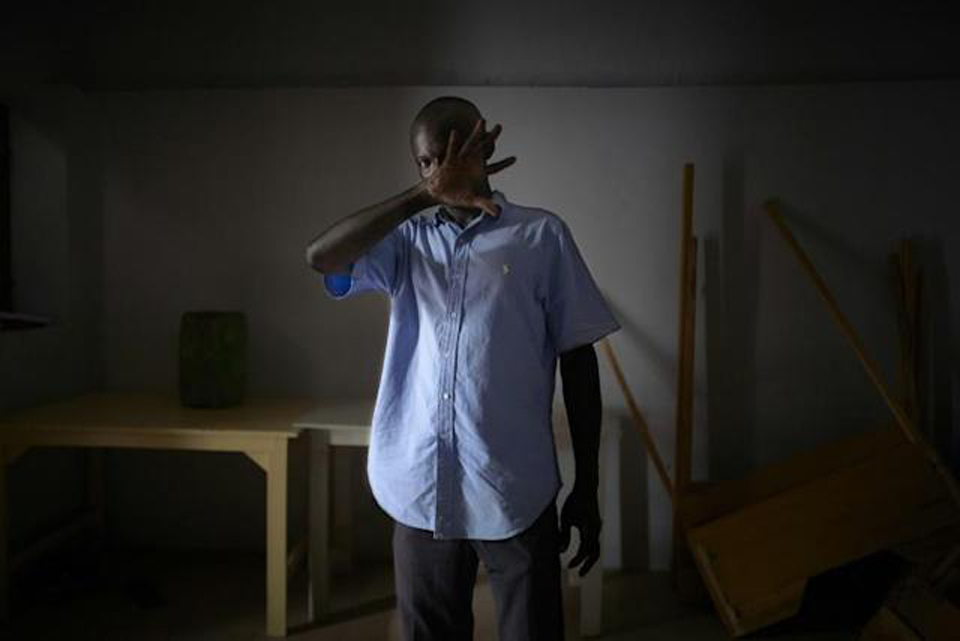
In interviews conducted over 18 months, eight people have told AFP how
their lives have been dramatically shaped by this brutal conflict in the
heart of the Sahel.
Central Mali is one of the world's most violent places -- an arid region
stalked by ethnic killings, tit-for-tat violence and relentless attacks on
troops, police or other perceived symbols of the state.
Violence has gripped the region since 2015, when firebrand preacher Amadou
Koufa established an Al-Qaeda-aligned jihadist group.
Recruiting at the time from within his own Fulani group, who are also
known as Peul, his movement fed suspicions against the semi-nomadic herder
community. An ethnic powder-keg was lit.
"I was convinced that these people they call jihadists had more respect
for humans than the army," said Bilal, 37, a Bambara.
He joined the jihadists as he was unable to make ends meet by selling fish.
The eight were interviewed in the capital, Bamako, the volatile central
town of Mopti or the city of Sevare.
Their names have been changed by AFP for their protection.
- Ancient antagonisms -
Central Mali is a place of many ethnicities, and frictions, especially
over land, are common.
These ancient antagonisms flared when Koufa's group emerged.
Today, the region has been swept by a wildfire of hatred and mistrust.
Nearly 200,000 people have fled their homes, and thousands have been killed.
No-one, it seems, has been spared -- as Rokia, a woman aged about 50 from
the nomadic Bozo ethnic group, knows only too well.
Her family of fishermen was stopped by jihadists on the banks of the Niger
River in 2018. Her husband Ba, her brothers Amadou and Sinbarma, and her sons
Mahamat and Lassana were taken away.
"I don't sleep, life no longer makes sense. Things can carry on or stop,
it doesn't matter to me," she said.
Some ethnic groups have formed so-called self-defence forces, such as the
Dan Nan Ambassagou, which sprang up within the traditional Dogon hunter
community.
When jihadists arrived in Georges' village, he joined a Dogon militia.
"As the eldest, I'd inherited protective amulets and my father's hunting
rifle. The responsibility fell to me, I had to go and fight," the ex-
militiaman, aged in his 40s, said.
The Dan Nan Ambassagou has been accused by NGOs and the UN of carrying out
massacres in Fulani villages, an allegation it denies.
The force has officially been dissolved but remains active.
- World of suspicion -
Fourteen-year-old Fulani schoolgirl Fatoumata survived an attack on her
village because, she said, after the shooting "they must have thought I was
dead."
In central Mali, places seen as symbols of the state are targeted by
jihadists.
"We knew the situation wasn't good. We'd heard of schools that had closed
but we continued, for the children's sake," teacher Sidiki, 36, said.
Malick, a soldier aged about 30, described the terror of a jihadist ambush
that killed or wounded his comrades.
For those on the front line, "often, food, medicine and munitions are
lacking," he said.
Fulani merchant Kassim, 42, told how he was held in detention for 28 days
because "they think that we, the Fulani, all agree with jihad." A number of
villages have signed peace agreements -- sometimes under duress -- with
jihadists.
Then there is the case of radio journalist Bachir, a 42-year-old Fulani,
which illustrates how minds have been horribly distorted by the violence.
He was falsely accused of being an army informer by the jihadists -- and
then found himself being falsely accused of being a jihadist by the Dogon.