Saturday
22 August, 2026

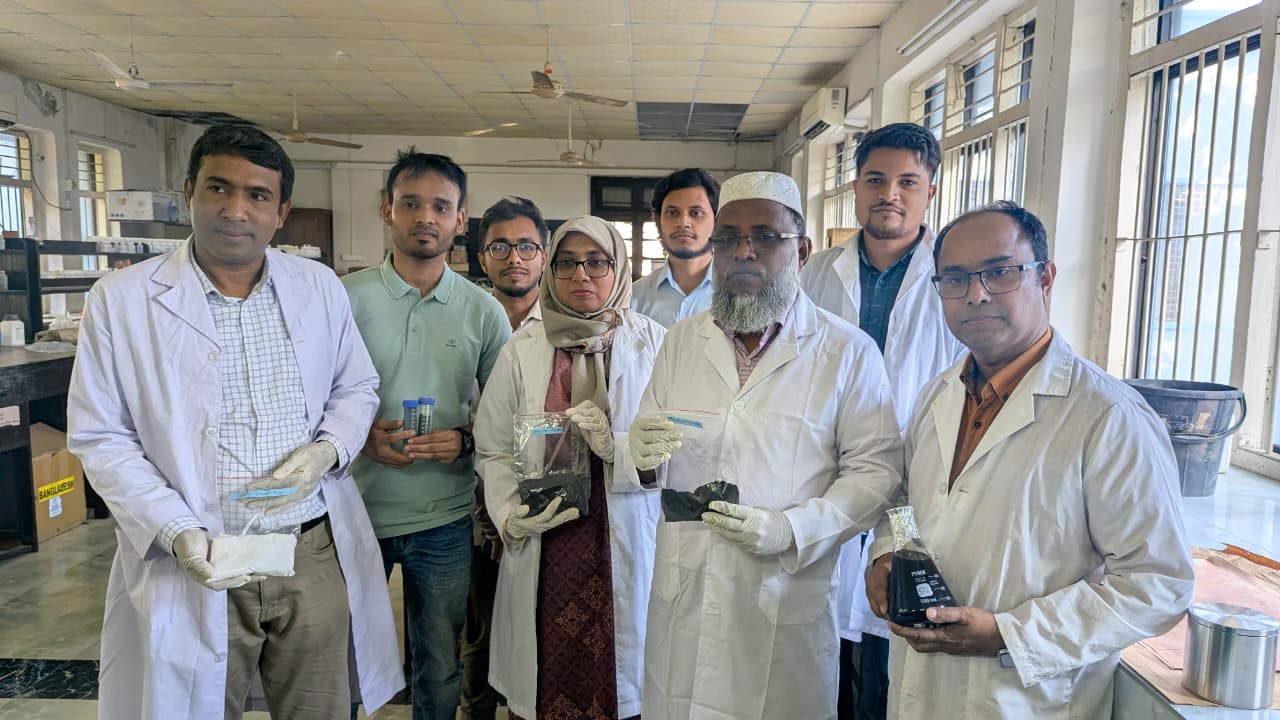
MYMENSINGH, Dec 9, 2025 (BSS) - For the first time in the country researchers at Bangladesh Agricultural University (BAU) have identified Brucella abortus biovar-3 in cattle and developed an inactivated vaccine against brucellosis, one of the major reproductive diseases affecting livestock.
Brucellosis, caused by the bacterium Brucella abortus, leads to abortion, reduced milk production and infertility in cattle, resulting in significant economic losses for farmers. The pathogen is zoonotic and can transmit to humans, posing public health risks.
The World Organisation for Animal Health recommends culling of infected animals and their safe disposal.
A BAU research team confirmed the presence of biovar-3 and characterized its genetic features, which they say will contribute to rapid diagnosis and further scientific investigation.
The team has also developed an inactivated vaccine that provides up to six months’ protection when administered once during the reproductive period of cattle.
The vaccine can be stored at normal temperature and is expected to cost around Tk 50 per animal under commercial production.
The research was led by Professor Dr Md Ariful Islam, Department of Microbiology and Hygiene, Faculty of Veterinary Science, BAU.
Associate Professor Md Zaminur Rahman of Gono University and Dr Mosha Minara Khatun of BAU served as co-researchers. The study was funded by the Bangladesh Academy of Sciences–United States Department of Agriculture (BAS–USDA).
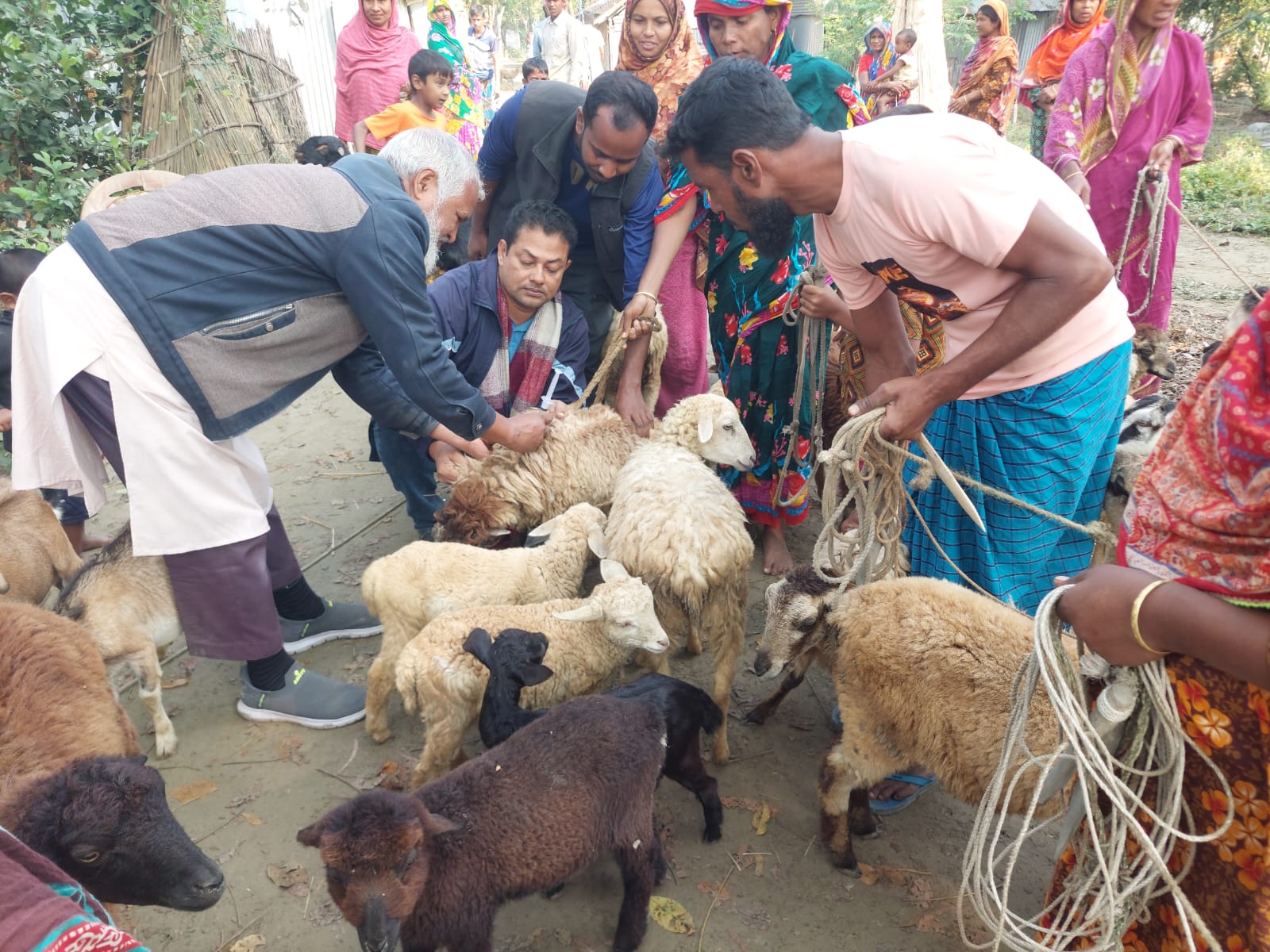
Laboratory trials on mice showed that vaccinated animals did not develop brucellosis even after exposure to the pathogen, while unvaccinated mice exhibited clinical symptoms. Field trials on 400 cows in Mymensingh, Gazipur and Tangail confirmed antibody levels above the required threshold for disease protection.
Prof. Ariful Islam said Bangladesh has major breakthrough in medical sector as the country has no brucellosis vaccine. “A live attenuated vaccine is available in India, but it may cause abortion in cattle and can infect humans if mishandled. It also requires strict refrigeration,” he said. “Our inactivated vaccine is safe, stable at room temperature and shows no adverse effects.”
He said the research was undertaken to enhance livestock productivity, ensure public health protection and reduce zoonotic risks. “Proper vaccination and adherence to farm-level biosafety measures can significantly reduce the prevalence of this disease,” he added.