Tuesday
08 September, 2026
News Flash
News Flash
SANGSAD BHABAN, Sept 8, 2026 (BSS) - Food Minister Afroza Khanam today said the Bangladesh Food Safety Authority (BFSA) takes immediate regulatory and legal action if tests of any food product produce adverse results or reveal risks to public health.
"The main objective of the Bangladesh Food Safety Authority's food-sample testing programme is to quickly identify food safety risks, remove unsafe food products from the market, encourage concerned food businesses to comply with the law, and, above all, ensure people's right to health and safe food,"
she said.
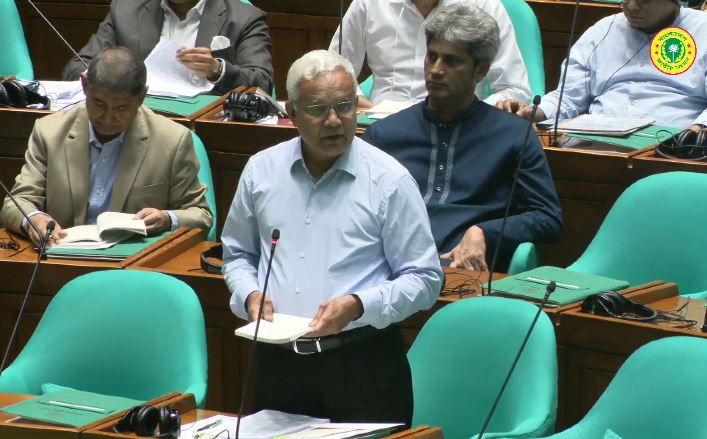
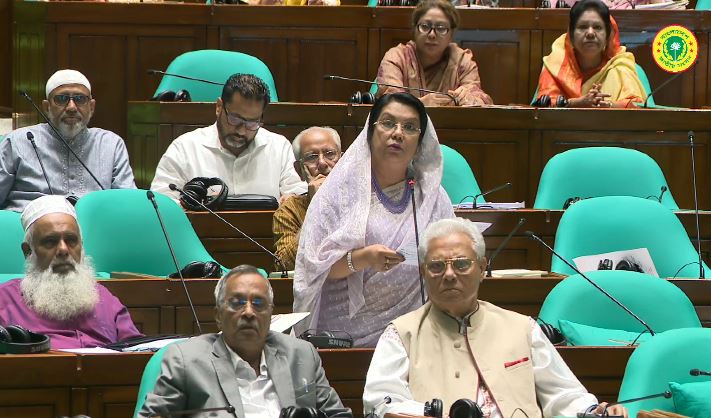
The minister made the remarks in reply to a call attention notice on a matter of urgent public importance under Rule 71 from ruling party lawmaker Sunsila Jabrin from reserved women seat in the Jatiya Sangsad today.
Afroza said the BFSA tested 1,210 food samples between February and August this year. The authority conducts regular and risk-based tests of essential food items, including bottled water, edible oil, milk and dairy products, yoghurt, powdered spices, baby food and bakery products, at government-approved laboratories.
She said the BFSA collects 144 food samples every month through its 72 field offices across the country to ensure the quality and safety of food products.
Of the samples tested between February and August, 149 bottled-water samples were tested for cadmium, arsenic, iron and lead; 54 edible-oil samples for trans fat, iodine value and saponification value; 33 milk samples for milk fat, milk protein, lead and melamine; three yoghurt samples for milk fat, milk protein and sodium cyclamate; five baby-food samples for lead; 79 powdered-spice samples for lead, chromate and Sudan dye; and 157 bakery-product samples for hydrox and potassium bromate.
The minister said the BFSA has mini laboratories at its 72 offices and eight mobile van laboratories as part of its surveillance activities.
However, she said the authority currently conducts food testing through memorandums of understanding and agreements with 46 government and private approved laboratories, as it does not yet have its own buildings and fully equipped laboratories for food-sample testing.