Tuesday
08 September, 2026
News Flash
News Flash
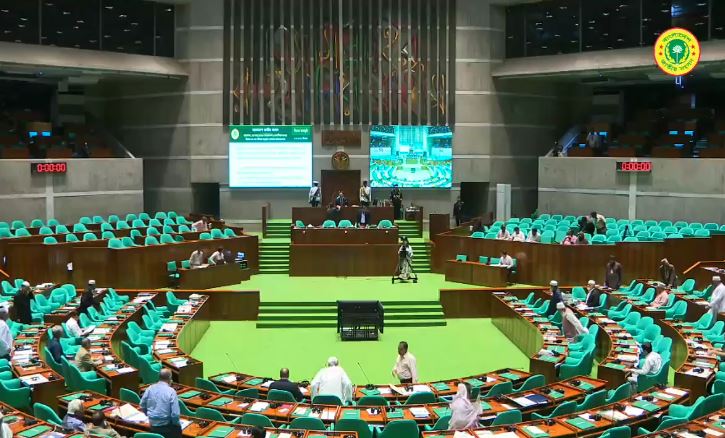
SANGSAD BHABAN, Sept 8, 2026 (BSS) - The government has decided to provide commercial importers with a six-month tax exemption on the import of essential equipment for solar power projects.
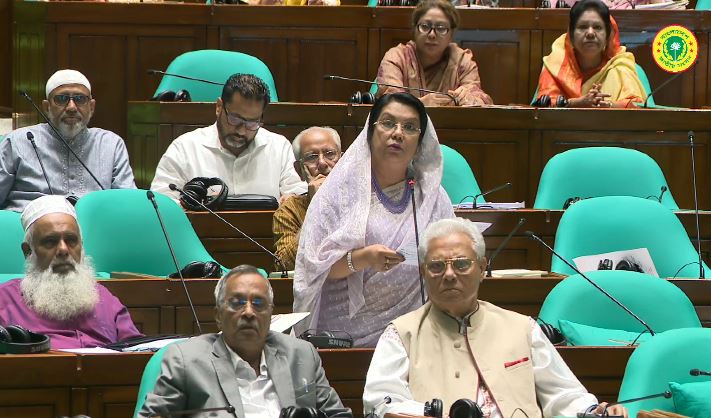
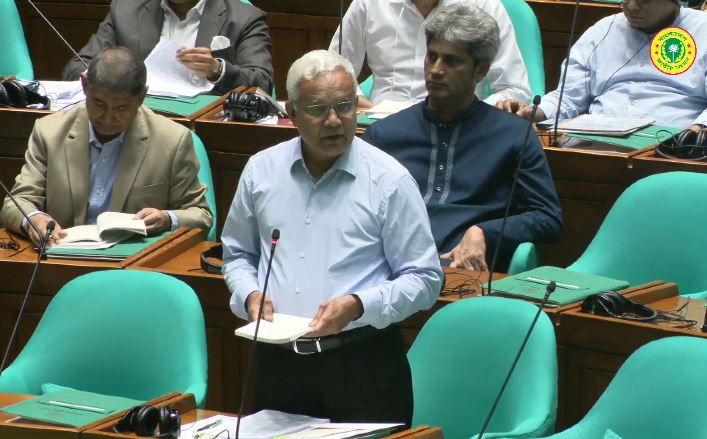
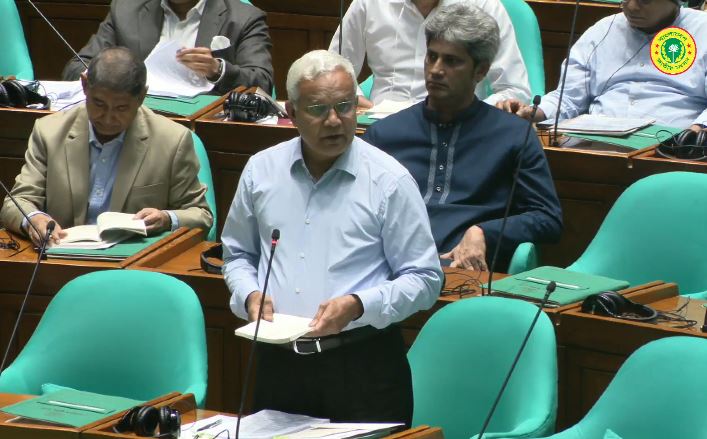
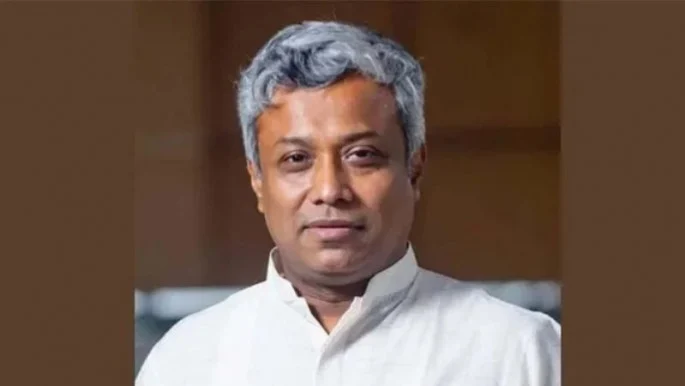
State Minister for Power, Energy and Mineral Resources Aninda Islam Amit disclosed the decision in parliament today while replying to a call attention notice on urgent matter of public importance under Rule 71 of the Rules of Procedure raised by ruling party lawmaker Helen Zerin Khan from reserved women seat-9.
The state minister said a 1-percent tax is currently applicable to imports of essential equipment for solar power projects, including solar panels, inverters, batteries and structures.
He said the government has decided to exempt small-scale and commercial importers from various additional duties and taxes for the next six months to expand solar power at the grassroots level.
"Imported equipment will enjoy full exemption from customs duty, regulatory duty, supplementary duty, value-added tax, advance tax and advance income tax, in addition to the existing 1-percent tax, for 180 days from the date of issuance of the gazette notification," he said.
Amit said the government would purchase surplus electricity from investors who install solar power projects before next summer and supply electricity beyond their own requirements to the national grid at an attractive rate of Tk 10.50 per unit.
He said electricity demand could reach 24,000-25,000 megawatts by 2030 if the current pace of economic growth and industrialisation continues.
"Considering the projected demand, the government has prioritised renewable energy to reduce dependence on imported fuels," he said.
According to the National Renewable Energy Development Strategy 2026-2030, the government has set a target to generate at least 20 percent of total electricity from renewable sources by 2030 and at least 30 percent by 2041, the state minister said.
He said the government has set a target of generating 5,500MW from rooftop solar power and 4,500MW from ground-mounted solar power by 2030.
It has also set a target of generating 450-550MW from other technologies, including wind power, waste-to-energy, hydropower, floating solar and agrivoltaics, he added.
Amit said the government has taken an initiative to implement large-scale solar power projects through public-private partnerships (PPP) on land owned by government agencies.
He said authorities have identified nearly 60,000 acres of land owned by different ministries and agencies that remain unused or have little prospect of being used over the next 20-25 years.
"After scrutiny, around 30,000 acres of the land have been identified for solar power projects," he said.
The government also considered the capacity of electricity distribution and transmission lines while identifying the land, he said.
"Investors will bring investment and technology, while the government will provide the land," Amit said.
He said the government has taken an initiative to establish a 460MW solar power project at Rampal instead of setting up another coal-fired power plant in the second phase.
Besides, a 70MW solar power project has been taken up at the ash pond area of the Matarbari coal-fired power project, he said.
The state minister said 23 buildings in Feni have been selected for rooftop solar power projects under an initiative of the Ministry of Local Government, Rural Development and Cooperatives.
He said the government expects Prime Minister to inaugurate the project on September 17.
Referring to plans to use solar power to meet the electricity needs of the Jatiya Sangsad Bhaban, Amit said the prime minister has directed authorities to supply electricity to parliamentary activities through solar power projects instead of taking electricity from the national grid in the future.
The government has already finalised the Renewable Energy Policy 2025, Net Metering Guidelines 2025, National Rooftop Solar Programme 2025 and a commercial model for waste-to-energy generation, he said.
The state minister said expansion of solar power would reduce foreign currency expenditure on fuel imports while creating opportunities for small and medium entrepreneurs.
He added that discussions are underway with Bangladesh Bank and development partners to provide loans on easy terms to help young people become entrepreneurs in the renewable energy sector.