Sunday
23 August, 2026
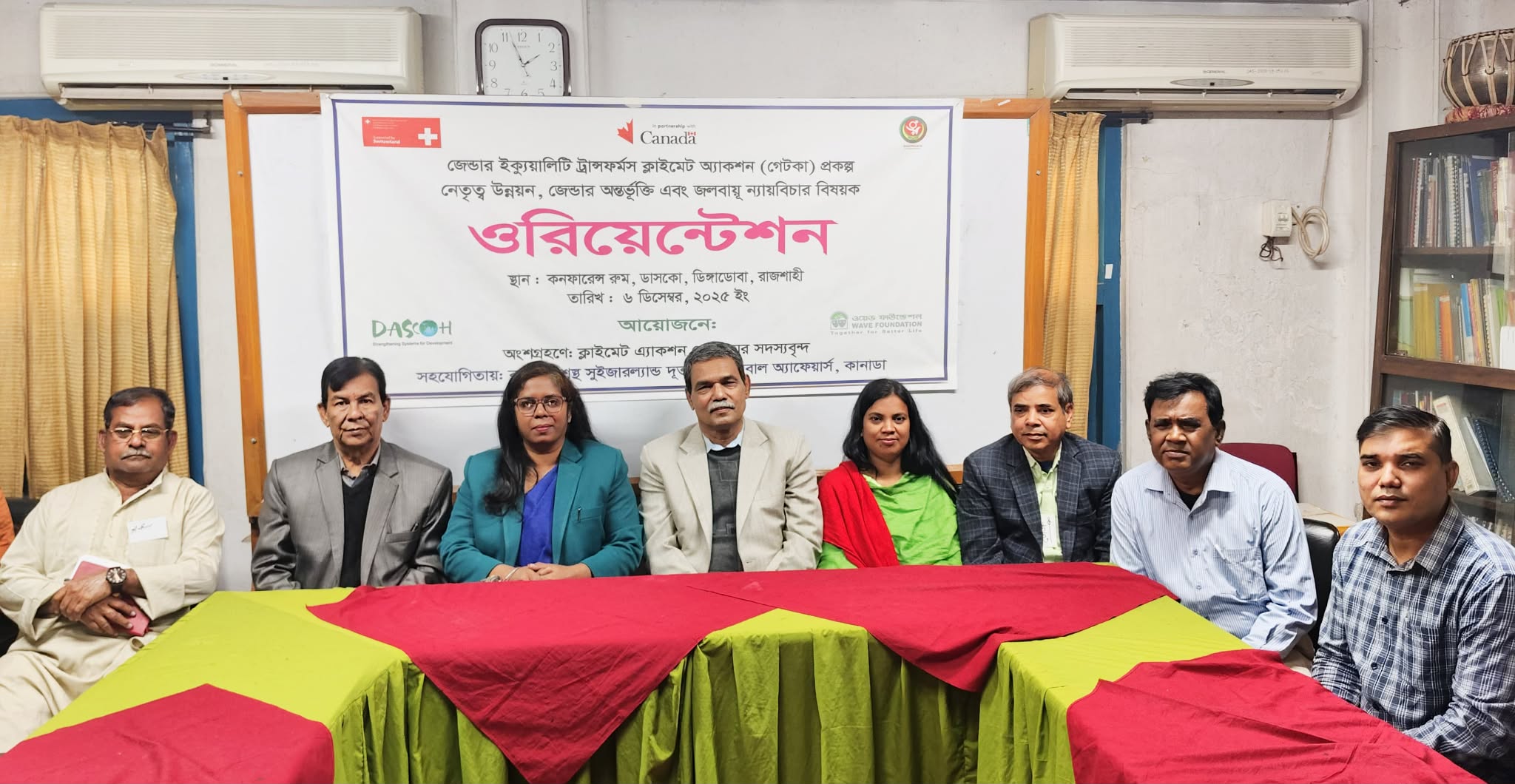
RAJSHAHI, Dec 6, 2025 (BSS) - Speakers at an orientation meeting today emphasized the need to ensure active participation of women and youth in shaping climate policies to address the growing impacts of climate change, especially in the Barind tract.
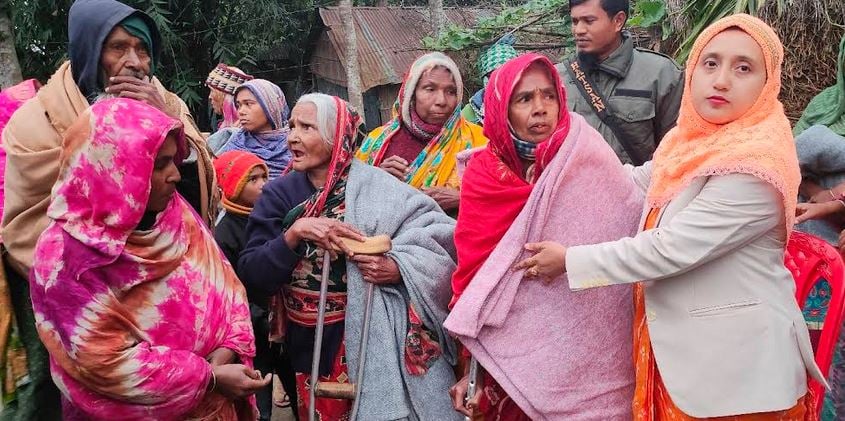
They said climate change poses severe threats to the livelihoods and living conditions of women and other marginalized groups, making their leadership and voices essential for climate justice and policy planning.
The daylong meeting on 'Leadership Development, Gender Inclusion and Climate Justice' was organized by DASCOH Foundation under its project "Gender Equality Transforms Climate Action (GETCA)," with support from the Swiss Embassy in Bangladesh and Global Affairs Canada.
Participants, including members of the Climate Action Forum (CAF), discussed strategies to build local-level leadership, strengthen community resilience, and ensure inclusive climate policies.
CAF President Afzal Hossain chaired the meeting, which was addressed by Vice-President Foyzullah Chowdhury, General Secretary Advocate Syeda Shamsunnaher Mukti, and executive members Akbarul Hassan Millat, Ashraful Haque, and Hasinur Rahman.
Presenting the concept paper, GETCA District Coordinator Modon Das said the 30-month project is being implemented in 18 unions across Tanore, Godagari, and Charghat upazilas.
The initiative seeks to foster partnerships among civil society groups, empower community leaders, and strengthen dialogue between citizens and government representatives for more inclusive policies.
Speakers highlighted that frequent droughts in the Barind region exacerbate women's hardships, as they spend longer hours collecting water from dwindling sources.
This situation, they said, worsens sanitation and hygiene, increasing the risk of waterborne diseases, particularly for women and children.
The discussants unanimously stressed the importance of equipping women with resources, information, and decision-making authority to enhance resilience against climate change.
They also noted that women, who are central to agriculture, are disproportionately affected by climate-induced challenges like drought, water scarcity, and food insecurity.
The participants called for ensuring women's involvement in sustainable agriculture, water management, and healthcare access to protect livelihoods and reduce vulnerabilities.