Thursday
23 July, 2026
News Flash
News Flash
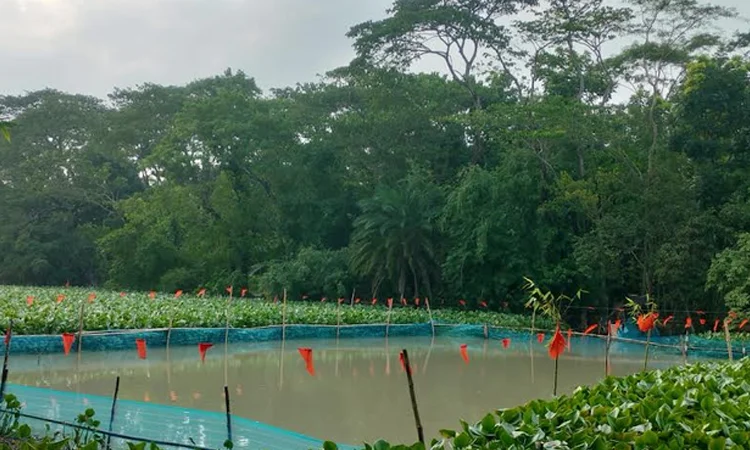
PATUAKHALI, July 23, 2026 (BSS) - Native fish species are making a strong comeback in two fish sanctuaries established in Patuakhali Sadar upazila, offering renewed hope for local fishing communities while restoring aquatic biodiversity.
Once witnessing a steady decline in indigenous fish populations, canals in the district are now showing signs of ecological recovery. Thanks to improved breeding and conservation measures, species such as rui, catla, ayir, shol and boal are thriving in the protected sanctuaries.
The positive impact is also spreading to nearby water bodies, increasing fish stocks and creating sustainable livelihood opportunities for local fishermen.
According to Fisheries Department, the two sanctuaries were established during the 2024–25 fiscal year in canals located in Badarpur and Moukaran unions under the government's Climate Smart Agriculture and Water Management Project, financed by the World Bank Group.
The project covers around 20 hectares of water bodies, of which two hectares have been designated as protected breeding and conservation zones for fish. The initiative is being implemented by the Office of the Senior Upazila Fisheries Officer in Patuakhali Sadar.
Officials said the project initially released various native fish species into the sanctuaries. With regular monitoring and a secure natural habitat, the fish have grown significantly, with many now weighing between two and three-and-a-half kilograms. The mature fish are breeding naturally, and the fry are dispersing into surrounding canals, leading to a noticeable increase in indigenous fish populations.
Md. Dulal Hossain, who is responsible for maintaining the sanctuaries, told BSS that several protected shelters have been created within the designated areas where fish can breed and move freely.
"Thanks to the cooperation of local residents, no one enters the sanctuary illegally to catch fish. This has ensured the success of the conservation effort," he said.
He added that alongside fish conservation, the project has focused on protecting the livelihoods of fishermen. Under a rehabilitation programme, 10 fishermen who refrained from fishing in the sanctuary areas were provided with a calf each as an alternative source of income. Within a short period, the animals have grown into valuable assets, helping improve household earnings.
Beneficiary Md. Faruk Hawlader said that while fishing had once been his family's primary source of income, he is now actively involved in protecting the sanctuary.
"The cow provided by the government has increased my family's income. This way, fish are being conserved while our livelihoods continue," he said.
Local residents say the sanctuaries have brought visible improvements to the canals, with native fish becoming more abundant than before. They believe the increased fish populations in surrounding water bodies will provide long-term benefits to fishing communities.
Additional District Fisheries Officer Tapan Majumdar said the sanctuaries are not only protecting fish but also restoring aquatic ecosystems.
"Providing a safe environment for breeding increases fish populations, which later spread naturally to wider water bodies. This strengthens local fish resources while creating opportunities to improve fishermen's incomes," he said.
He added that expanding similar initiatives across the district would help conserve endangered native fish species and significantly advance sustainable fisheries management.
Fisheries experts say sanctuary-based management is one of the most effective approaches to conserving biodiversity and promoting natural fish breeding in open water bodies. They said that providing alternative livelihood opportunities also reduces pressure on natural resources, enabling both environmental conservation and socio-economic development.
Local residents believe that replicating the Patuakhali model in other parts of the country could help restore many disappearing native fish species while strengthening sustainable fisheries management and the rural economy.