Sunday
23 August, 2026
News Flash
News Flash
By Syed Rubaiyat Habib
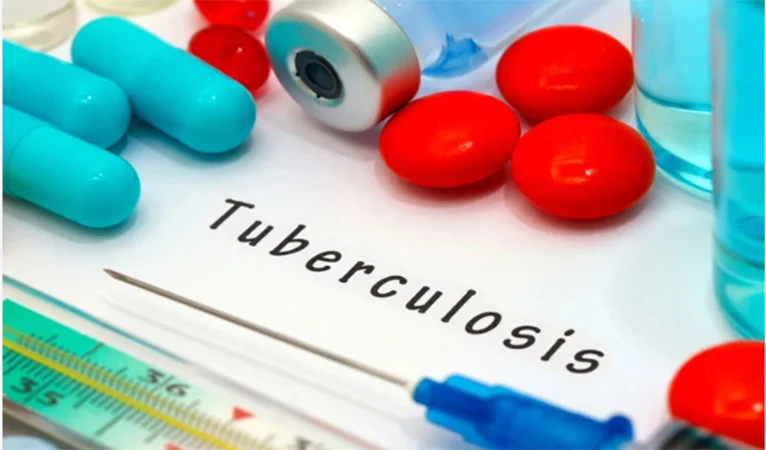
DHAKA, July 23, 2026 (BSS) - Modern medicine has reached a stage where even the most challenging strains of drug-resistant tuberculosis (DR-TB) can be effectively cured, but ignorance, social stigma and clinical negligence remain the biggest obstacles to achieving a TB-free world.
This reality of scientific success and social challenges is particularly evident in Bangladesh, which has emerged as a global leader in the fight against tuberculosis.
According to Prof Dr Dewan Azmal Hussain, a renowned specialist in respiratory medicine, Bangladesh is now a world-class role model with a treatment success rate of more than 90 percent.
He said the remarkable achievement has largely been possible due to the development and implementation of the BPaL and BPaLM regimens (new, short all-oral treatment regimens for drug-resistant tuberculosis), which were pioneered in Bangladesh and are now being used worldwide to save lives.
Prof Hussain said although the country has a strong medical infrastructure and modern diagnostic facilities, including GeneXpert machines available in all 460-plus Upazilas, the psychological barrier remains the most difficult challenge to overcome.
He observed that the problem often does not lie within the healthcare system itself but in the lack of awareness and widespread social stigma, which forces many patients to hide their symptoms or refuse to accept their diagnosis.
A patient's own awareness is often the first line of defence, he said, adding that those who have previously suffered from TB can often recognize recovery through the return of appetite and energy.
"If this sense of well-being does not return despite taking medicines, drug resistance should immediately be suspected," he said.
Prof Hussain warned of a significant clinical problem that he described as "physician error", where doctors prescribe TB medicines based on permanent X-ray scars, known as Post-TB Lung Disease, without confirming the presence of live bacteria through sputum tests.
He said unnecessary exposure to medicines, along with patient non-compliance such as skipping doses or stopping treatment early, contributes to the rise of drug resistance.
He urged that patients should be treated with sympathy and psychological support rather than being marginalized as "untouchables", as social support is essential for completing the long journey towards recovery.
Assistant Professor Dr Sharmin Sultana (Setu) of the National Institute of Diseases of the Chest and Hospital (NIDCH) explained the clinical signs that may indicate the development of drug resistance.
She said if symptoms such as cough, fever, chest pain or weight loss do not improve after two to three months of regular medication, or if a patient continues to lose weight despite treatment, DR-TB should be suspected.
She added that if a sputum follow-up test after several months of treatment still detects bacteria, it is a clear indication that standard medicines are no longer effective.
Dr Sultana said treating DR-TB in the past was a painful process lasting 18 to 24 months and requiring daily injections.
"Today, Bangladesh uses an all-oral shorter regimen that can cure the disease within six to nine months with modern medicines like Bedaquiline and Pretomanid," she said.
Despite the medical advancement, she identified self-medication as a serious threat, saying many people purchase antibiotics from local pharmacies for ordinary coughs, which only make TB bacteria stronger and more resistant.
She said the treatment success rate in Bangladesh among patients who follow the proper regimen is between 70 percent and 80 percent, which is a very positive achievement in the global context.
Dr Sultana advocated three key measures: completing the full course of medication without missing a single day, following the Directly Observed Treatment, Short-course (DOTS) method where a health worker or family member observes the patient taking medicines, and remembering that all modern tests and DR-TB medicines are provided completely free by the government.
She stressed that fear of social exclusion should not prevent anyone from seeking treatment, as early diagnosis and consistent treatment are the only ways to ensure a successful cure.
Dr Md Shirajul Islam (Sumon), Senior Medical Officer at icddr,b, NIDCH, said drug resistance is largely a 'man-made' phenomenon.
He said resistance is rarely natural; rather, it develops due to incomplete treatment, irregular medication and the use of low-quality drugs.
Dr Sumon explained that many patients stop taking medicines as soon as they feel slight improvement, allowing the remaining bacteria to adapt and survive.
He also noted that some patients discontinue treatment due to side effects but stressed that they should consult doctors instead of deciding to stop medicines on their own.
Beyond biological factors, Dr Sumon highlighted economic and social barriers that hinder recovery.
He said although medicines are provided free of cost, indirect expenses such as travel costs to hospitals from remote areas and the need for a high-protein diet can become a heavy burden for many families.
He advised that patients need nutritious foods such as eggs, milk, fish and meat to help their bodies withstand the effects of strong medicines.
As DR-TB is highly contagious, Dr Sumon emphasized the importance of "cough etiquette", including the use of masks and handkerchiefs and ensuring that patients stay in well-ventilated rooms to protect other family members.
He urged families to monitor all household members for symptoms and ensure that patients receive both nutritional and mental support to complete their treatment.
Ultimately, the three experts said while science has provided effective treatment against the bacteria, it is the collective responsibility of society to overcome the negligence and stigma that allow the disease to continue.