Saturday
12 September, 2026
News Flash
News Flash
By Mohiuddin M. Mahi
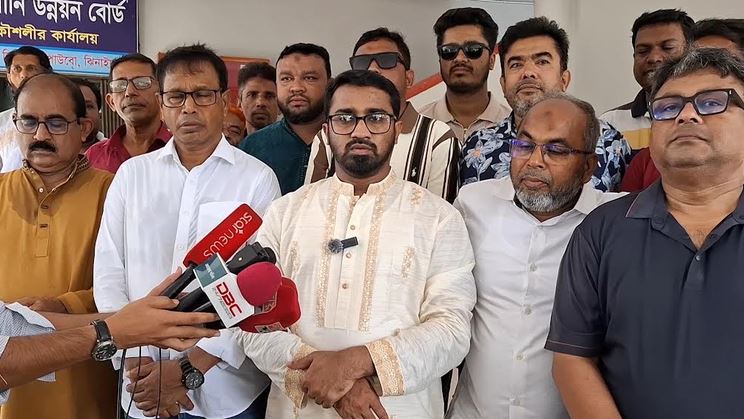
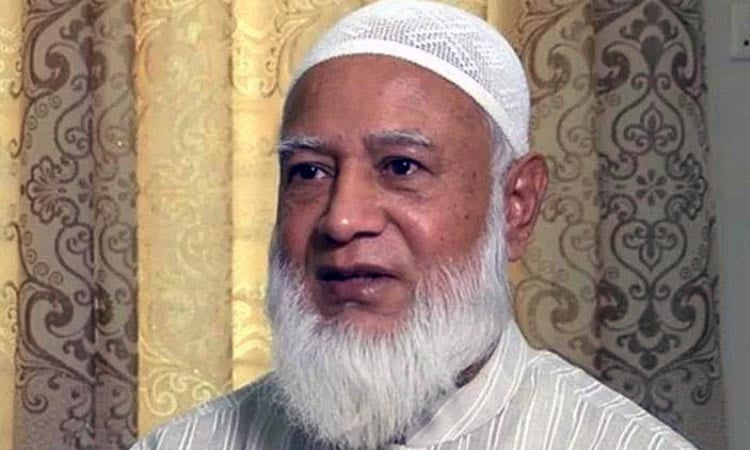
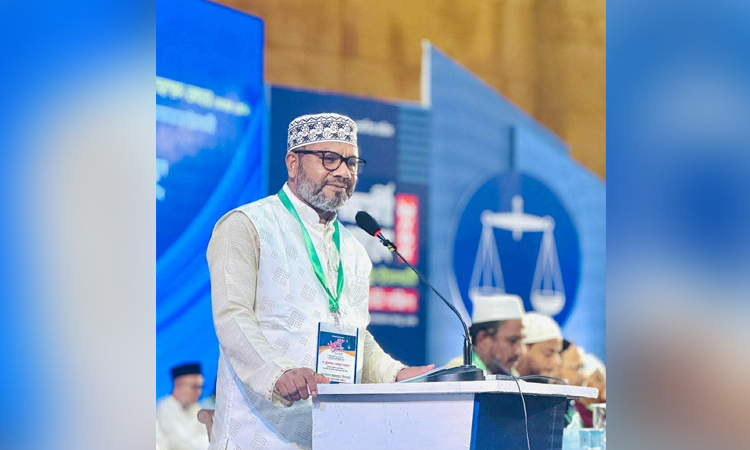
DHAKA, Feb 06, 2026 (BSS)- Bangladesh Jamaat-e-Islami–led 11 party alliance candidate for the Dhaka-6 constituency Dr. Muhammad Abdul Mannan has pledged to transform the densely populated commercial area into a safe, liveable and economically vibrant urban zone by eliminating extortion, illegal occupation and drug abuse while addressing decades of infrastructural neglect.
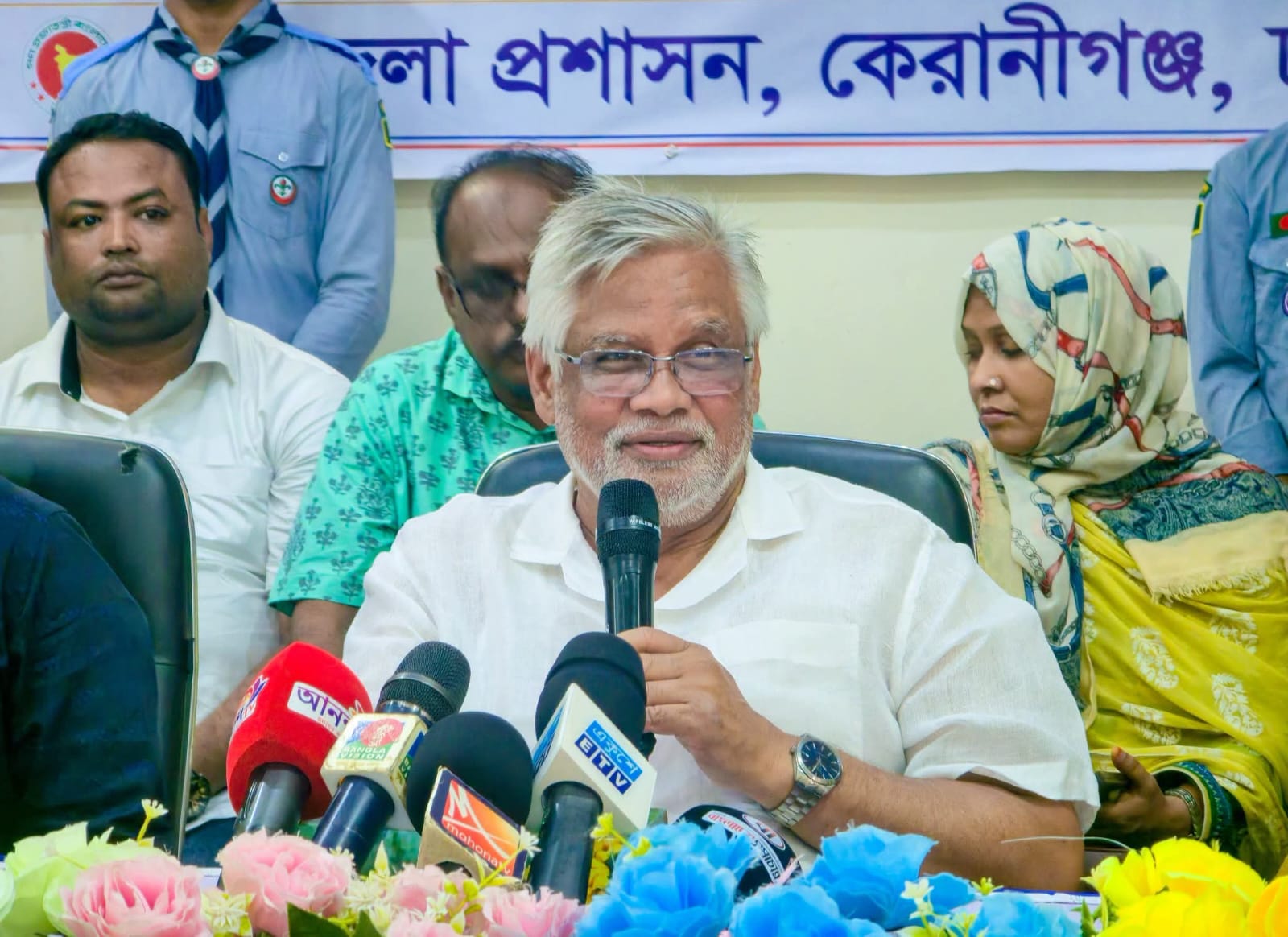
In an interview with the Bangladesh Sangbad Sangstha (BSS), Mannan described Dhaka-6 as a major business hub and said the area had long suffered from criminal control and insecurity, discouraging both commerce and normal urban life.
Dr Mannan said, “Dhaka-6 is primarily a business-oriented area. For years it has been plagued by extortion, illegal occupation and drug-related activities.”
“We want to clearly state that this constituency will be transformed into an extortion-free, drug-free and secure business environment,” he added.
He stressed that his vision went beyond economic activity and focused on restoring dignity and safety to daily life.
“People here do not want favours from their MP. They want to do business safely, sleep peacefully and live without terrorism or corruption,” he said.
Dr Mannan said Dhaka-6 is deprived of development for the past 54 years despite contributing a significant portion of revenue to the national exchequer. According to him, the lack of accountable leadership was the primary reason behind this disparity.
“Every year, this area generates huge revenue for the government, yet the people have received almost nothing in return. Instead of development, many representatives were busy collecting money overnight from large business markets and commercial hubs,” he said.
He pointed to long-standing civic neglect as evidence of systemic failure. “There are areas where the same family has produced commissioners for 50 or 60 years, yet even today dirty water floods the streets without even rainfall,” he said, adding that residents wanted relief from a cycle of exploitation and mismanagement.
Highlighting the area’s infrastructural crisis, Mannan identified sewerage failure, water shortages and gas supply disruptions as critical problems affecting both residents and businesses. He said these issues would be addressed on a priority basis through coordination with the City Corporation and relevant authorities.
“Without solving these basic problems, meaningful development is not possible,” he said.
Dr Mannan also noted that absence of playgrounds and a healthy urban environment, warning that unchecked neglect had gradually eroded the quality of life in the constituency.
He argued that sustainable urban development required continuous monitoring and responsible leadership rather than sporadic interventions.
One of the key elements of Mannan’s manifesto is the protection of the Buriganga River, which borders the constituency and has long been affected by pollution and illegal encroachment. He said restoring the river would have far-reaching economic and social benefits.
“If the Buriganga is freed from pollution and illegal occupation, tourism will develop, employment will be created and the area will once again emerge as an economic zone,” he said, emphasizing the urgent need to establish an IT park to generate jobs, particularly for young people.
Healthcare remains another major concern in Dhaka-6, Mannan said, noting that nearly three million people live in the constituency without access to a modern government hospital.
“For 54 years, healthcare here has remained severely neglected,” he said. “Existing health centres lack qualified doctors and functional equipment,” he added.
Dr Mannan said workers and small traders, who form the backbone of the local economy, were particularly vulnerable due to the absence of reliable medical facilities. To address this, Mannan pledged to construct a modern government hospital and immediately upgrade existing health centres with diagnostic equipment and trained medical personnel to ensure accessible healthcare services.
On law and order, Mannan proposed a community-based approach alongside administrative enforcement. He said terrorism, extortion and drug abuse could not be eliminated by state action alone.
“We will form mosque-and temple-based committees involving imams, khatibs, priests, local elders and civil society members,” he said adding “This will create a social safety network and a strong community resistance against crime with the support of the administration.”
Education also featured prominently in Mannan’s assessment of the constituency. He said Dhaka-6 had gradually lost its academic environment following the relocation of Jagannath University across the river, while institutions such as Kabi Nazrul Govt. College and Government Shaheed Suhrawardy College continued to face infrastructural constraints.
He described Lakshmibazar as an education hub whose environment had been undermined by illegal footpath occupation and extortion. To restore a conducive educational atmosphere, Mannan said small footpath traders would be rehabilitated in alternative locations.
“There are government-owned lands where traders can be relocated. This will free the footpaths, reduce traffic congestion and allow people to move safely,” he said.
Regarding election conduct, Mannan said his campaign was making every effort to comply with the electoral code of conduct. He said complaints raised against his campaign had been addressed promptly.
However, he expressed concern over reported incidents of vandalism of campaign camps and intimidation of female voters in certain areas.
“These matters have been reported in writing to the administration and the Election Commission, but visible action is yet to be taken,” he said.
He also voiced concern over the security of election-related documents, noting that all election offices in Dhaka-6 were located in a single privately owned building, which he said posed a risk to transparency and credibility.
On the issue of a referendum, Mannan reiterated his party’s stance that it was essential for democratic balance. “The referendum is even more important than the election,” he said.
“Through it, the true opinions of the people will be reflected and a balance of power will be restored,” he noted.
Assessing voter response, Mannan said he was encouraged by public enthusiasm but remained cautious. He expressed concern over the possible use of black money, arms and muscle power during the election.
“People want change, but criminal influence remains a major obstacle,” he said.
“Despite these challenges, we are hopeful. While nothing can be guaranteed, we are nearly 90 percent optimistic about victory,” he added.