Sunday
23 August, 2026
News Flash
News Flash
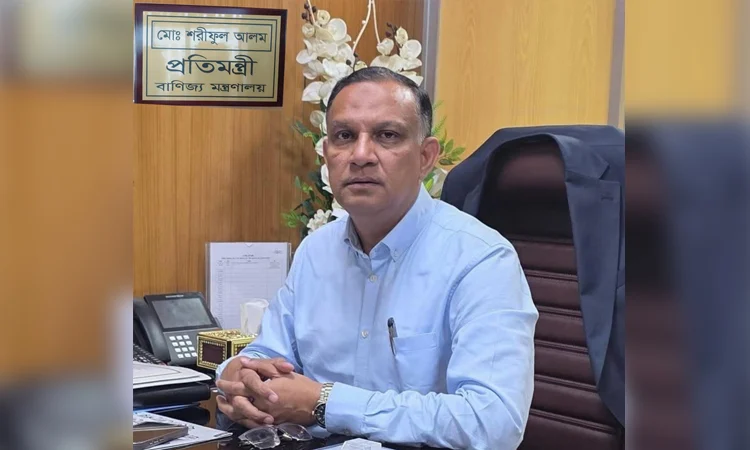
SIRAJGANJ, July 19, 2026 (BSS) - State Minister for Textiles and Jute Md Shariful Alam has said necessary policies will be taken for the development of handloom industry by giving importance to the problems, possibilities and suggestions of marginal weavers.
He said this at a view-exchange meeting with weavers in Baaitara village of Sadar Upazila of Sirajganj yesterday, a handout said today.
During the meeting, the weavers expressed their views on various issues, including the development of the handloom industry, problems of weavers, loan facilities, price of raw materials and marketing.
The state minister said it is necessary to talk directly to the weavers and know their real problems as future plans and policies will be decided based on the opinions of the marginal weavers.
He said Sirajganj is one of the main centers of the handloom industry in Bangladesh.
"The handloom industry in this region has a long tradition and potential. The government is working to further enrich the industry by reviving this lost tradition," Shariful said.
He said weavers raised various problems regarding yarn, dyes, price of raw materials, fair price of products, market management and middlemen.
Necessary measures will be taken so that the actual weavers and members of the weavers' association get the real benefits of the government's support, he said.
He said, about Taka 65 crore loan assistance has already been provided in Sirajganj Sadar, Ullapara, Shahjadpur and Belkuchi areas. This loan facility is being provided at an interest rate of four percent on soft terms.
"In the future, initiatives will be taken to bring more weavers under the loan facility. At the same time, the cooperation of weavers is required for proper utilisation of the loan amount and timely repayment," he added.
The state minister said through the newly built loom training center and basic centre in Sirajganj, initiatives will be taken to not only provide training, but also to develop the trainees into employment and entrepreneurs.
By creating connections with universities, textiles institutions and industrial establishments, opportunities for hands-on learning and employment will be created for the trainees, he said.
He hoped that with the joint efforts of the government and weavers, the traditional weaving industry of Bangladesh would return to a prosperous position again.
Textiles and Jute Secretary Sharf Uddin Ahmed Choudhury, senior officials of the Bangladesh Handloom Board, representatives of the local administration, and leaders of the weavers' association were present at the event.