Friday
14 August, 2026
News Flash
News Flash
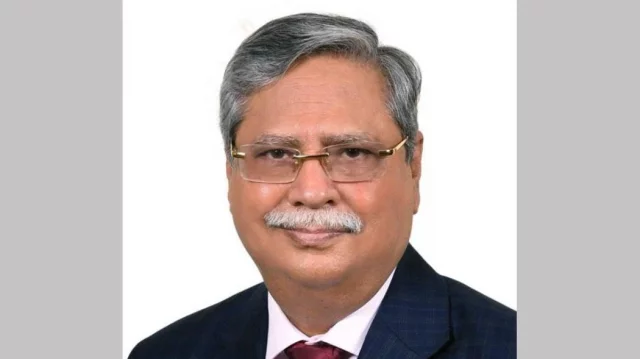
DHAKA, July 14, 2026 (BSS) - President Mohammed Shahabuddin has stressed the importance of equipping the country's youth with modern knowledge such as science, engineering and technological skills to prepare them for future workplaces.
“There is no alternative to preparing young people for future employment through relevant education and training in science, technology and engineering,” he told in a message issued on the eve of ‘World Youth Skills Day-2026’ slated for tomorrow.
The Head of the State welcomed the observance of the day in Bangladesh alongside other countries following a United Nations initiative.
He extended his greetings and congratulations to the country's young people, teachers, trainers, entrepreneurs, innovators and all those involved in skills development.
Describing the youth as a symbol of a nation's aspirations and the driving force behind development and progress, the President said, “The global labour market is undergoing rapid transformation due to the Fourth Industrial Revolution (4IR), driven by artificial intelligence (AI) and emerging technologies
In this context, he said, developing skilled manpower in different areas including e-commerce, cloud computing, robotics, blockchain, the Internet of Things (IoT), cybersecurity, AI and nanotechnology has become a necessity.
President Shahabuddin underscored the need to equip the younger generation with technological knowledge with necessary training so that they can emerge as skilled workers, entrepreneurs and innovators capable of competing in both domestic and international labour markets.
Noting that the government has undertaken various priority programmes for youth skills development, the President said the National Skills Development Authority (NSDA), skills training activities are being brought under a coordinated, quality-oriented and future-focused framework.
He said efforts are underway to strengthen curriculum development, registration of training institutions, national skills certification, quality enhancement and monitoring systems.
“The expansion of skills training, internationally recognised certification and other government initiatives would contribute significantly to developing competent human resources and entrepreneurs for local and global labour markets,” he hoped.
The Head of the State called upon government and private organisations, development partners and stakeholders from industry and commerce to work together to build a skills-based work culture and encourage young people to acquire relevant skills.