Monday
18 May, 2026
BERLIN, Feb 10, 2022 (BSS/AFP) - Hopes are rising that efforts to stop
Russia from invading Ukraine may be starting to pay off, as the diplomatic
push picks up Thursday with German Chancellor Olaf Scholz to meet Baltic
leaders in Berlin and UK Prime Minister Boris Johnson heading to NATO and
Poland.
In the face of the worst stand-off between Russia and the West since the
Cold War, diplomatic action has kicked into high gear with European leaders
zipping across the continent seeking to defuse the crisis.
Ahead of his huddle with Baltic leaders, Scholz said he saw "progress" on
the diplomatic front.
"The task is that we ensure the security in Europe, and I believe that that
will be achieved," he said at a joint press conference with Danish Prime
Minister Mette Frederiksen on Wednesday.
The new German chancellor, who has been under fire over accusations that he
has dithered over the crisis, will travel to Kyiv and Moscow next week for
separate meetings with Ukraine and Russia's leaders, including his first
face-to-face with President Vladimir Putin.
Striking a less optimistic note, Britain said Wednesday it was ready to
deploy 1,000 more troops to deal with any humanitarian crisis linked to
Ukraine.
Speaking from Moscow ahead of meeting with her Russian counterpart Sergei
Lavrov, Foreign Secretary Liz Truss said Moscow must choose a peaceful path
in Ukraine or face "massive consequences" from Western sanctions.
Johnson will follow that message with a trip to meet NATO chief Jens
Stoltenberg in Brussels on Thursday before his Polish counterpart.
- Lowering tensions -
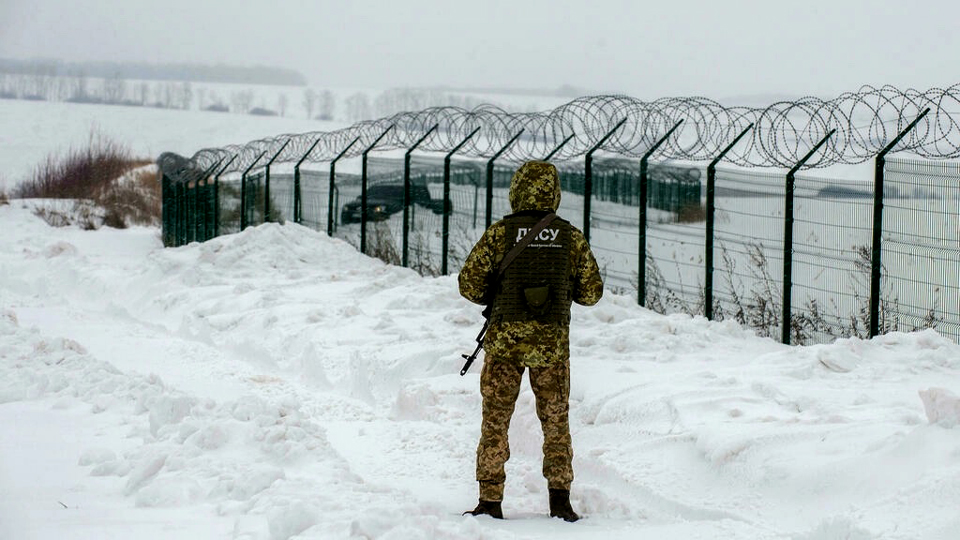
The West accuses Russia of having massed 100,000 soldiers near Ukraine's
borders, while Russia has denied any plans to invade and has accused NATO
countries of using belligerent rhetoric.
After his own diplomatic travel itinerary, French President Emmanuel Macron
said Putin had told him that Moscow "would not be the source of an
escalation".
For now, Ukrainian Foreign Minister Dmytro Kuleba said "diplomacy is
continuing to lower tensions". But somewhat deflating the chorus of upbeat
noises, Pentagon spokesman John Kirby warned that Putin has continued sending
troops to the border.
"We have continued to see even over the last 24 hours additional
capabilities flow from elsewhere in Russia to that border with Ukraine and
Belarus," he told reporters at a Wednesday briefing.
Ukraine's Deputy Defence Minister Ganna Malyar said the Russian forces on
the frontier did not appear to be ready to launch an all-out assault, and
were instead being used primarily "for political pressure and blackmail" at
this stage.
Less than 24 hours after a trip to Washington, Germany's Scholz stood
alongside Polish leader Andrzej Duda and Macron late Tuesday to declare
Europeans' unity in their goal of averting war.
Putin, who has demanded sweeping security guarantees from NATO and the
United States, said after his talks with Macron that Moscow would "do
everything to find compromises that suit everyone".
He said several proposals put forward by Macron could "form a basis for
further steps" on easing the crisis over Ukraine but did not give any
details.
- Red lines -
At the same time as sending its military hardware to Ukraine's borders,
Putin has issued demands the West says are unacceptable, including barring
Ukraine from joining NATO and rolling back alliance forces in eastern Europe.
The French presidency said Macron's counterproposals included an engagement
from both sides not to take any new military action, the launching of a
strategic dialogue and efforts to revive the peace process for Ukraine's
conflict.
It also said an agreement would ensure the withdrawal of around 30,000
Russian soldiers from Belarus at the end of joint military exercises later
this month.
The Kremlin insisted it never intended to leave the troops permanently on
Belarusian territory.
The West faces a tough task trying to convince a wary Zelensky to accept
any compromises.
Kyiv has laid out three "red lines" it vows not to cross: no compromise
over Ukraine's territorial integrity, no direct talks with the separatists
and no interference in its foreign policy.