Monday
24 August, 2026
News Flash
News Flash
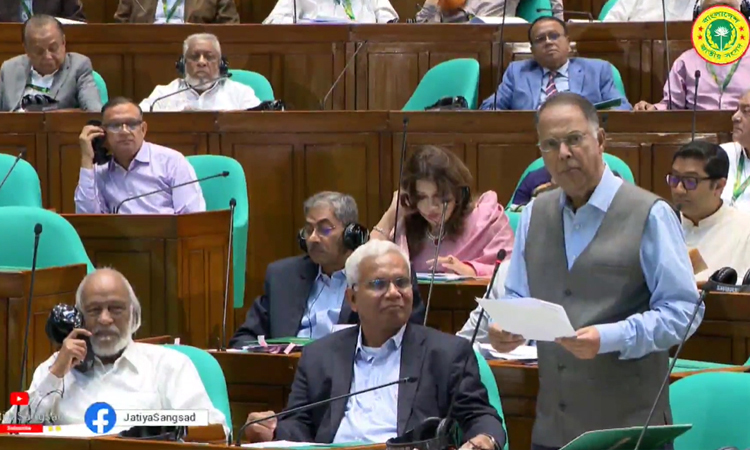
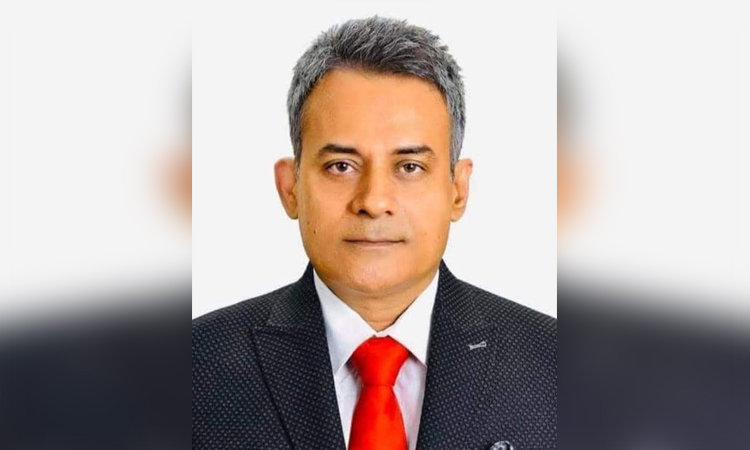
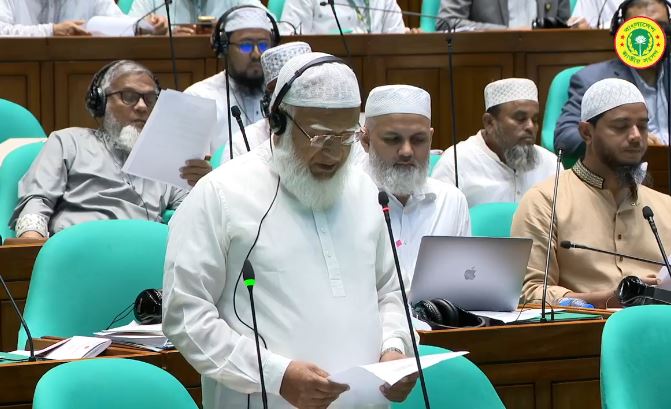
SANGSAD BHABAN, June 28, 2026 (BSS) - Power, Energy and Mineral Resources Minister Iqbal Hassan Mahmood today said the government is placing the highest priority on renewable energy as part of a comprehensive plan to rebuild the country's power and energy sector, which has been burdened by years of mismanagement and huge financial liabilities.
He said the government is simultaneously implementing an extensive action plan to accelerate gas exploration, modernise the power transmission network,
construct a second oil refinery and strengthen regional power cooperation.
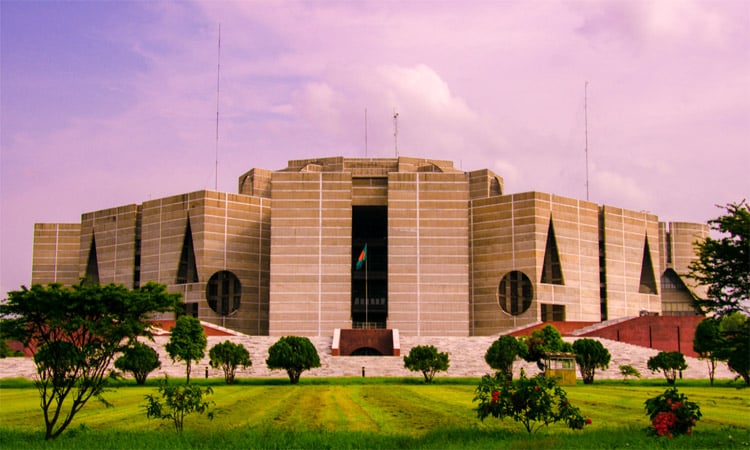
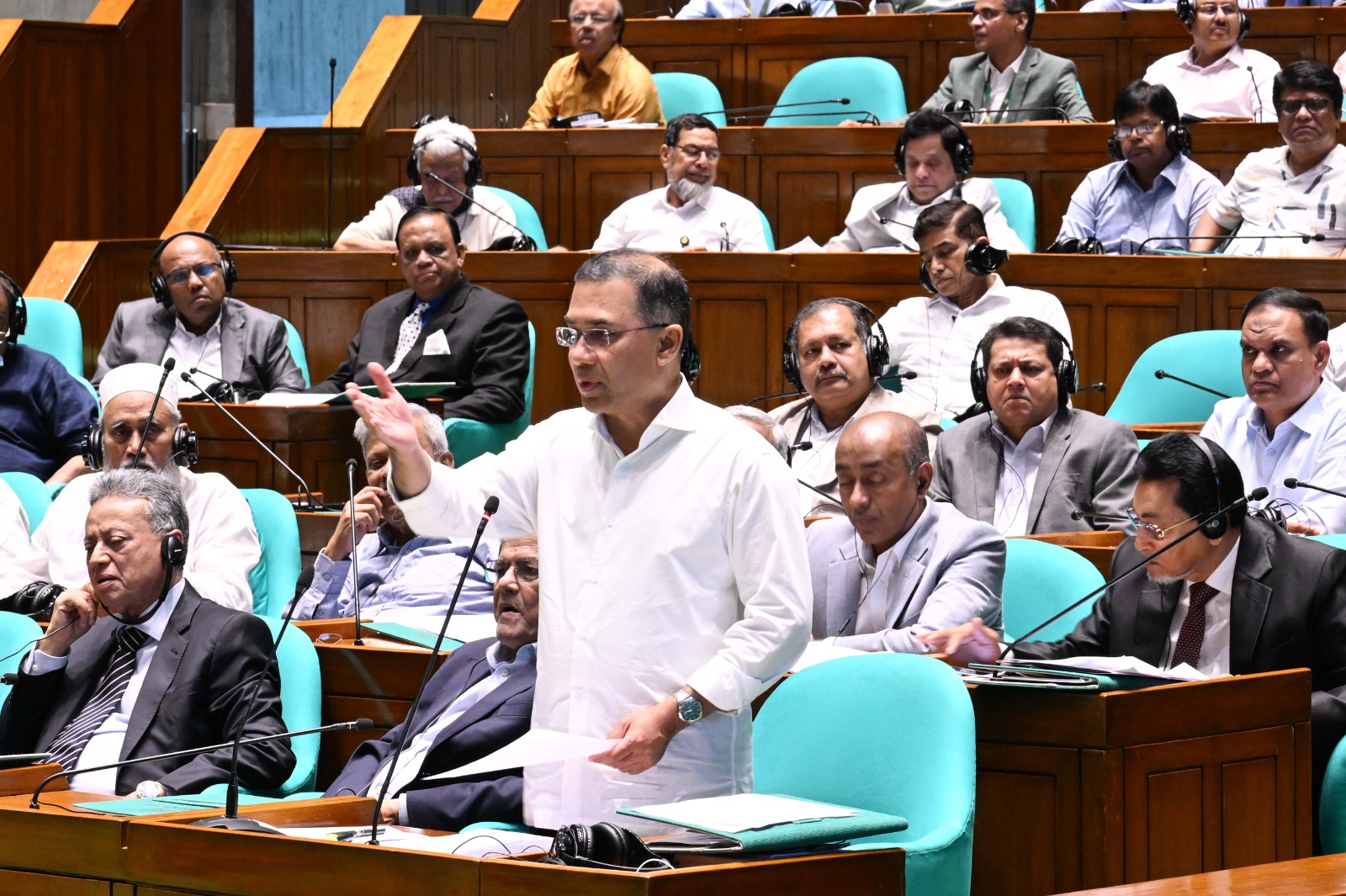
The minister made the remarks while taking part in the general discussion on the proposed national budget for the fiscal year 2026-27 in the Jatiya
Sangsad.
Iqbal said the present government inherited an extremely fragile power sector, with nearly Taka 56,000 crore in unpaid liabilities left by the
previous administration. He added that power purchase agreements signed under sovereign guarantees had been structured in such a way that revising them was extremely difficult.
"Despite these challenges, the government is working to ensure uninterrupted electricity generation while protecting the legitimate interests of investors through mutually beneficial solutions," he said.
The minister said that under the directives of Prime Minister Tarique Rahman, the government has launched a new initiative to expand renewable energy.
Customs duties on solar power equipment, batteries and related components have been completely withdrawn, while income from the renewable energy sector has been granted tax holiday facilities until 2031.
He expressed optimism that these incentives would encourage substantial domestic and foreign investment in solar power generation.
The government has set a target of generating 10,000 megawatts of solar electricity by 2030, primarily through private sector investment, he added.
Besides solar energy, the government is also attaching special importance to wind power and waste-to-energy projects to rapidly expand the use of renewable energy across the country.
To promote electric vehicles, import duties on electric buses and other EVs have also been reduced, a move expected to lessen dependence on imported petroleum fuels and save foreign currency, the minister said.
He, however, noted that renewable energy alone cannot ensure uninterrupted electricity supply, as solar generation declines during the monsoon due to
reduced sunlight. Therefore, gas-fired and other fossil fuel-based power plants will continue to play an essential role in maintaining a reliable
electricity supply.
The minister said international tenders have already been invited for fresh oil and gas exploration both onshore and offshore in the Bay of Bengal. The
government plans to launch exploration activities by November through international oil companies alongside the state-owned Bangladesh Petroleum
Exploration and Production Company Limited (BAPEX).
He said the current gas shortage resulted from the absence of any significant new gas field discoveries over the past 17 years. To address the crisis, the
government has undertaken initiatives both to intensify domestic gas exploration and expand LNG import capacity.
The minister said several projects are being implemented to transform the country's electricity transmission system into a smart grid, while a separate
budget allocation has been made to strengthen the Sustainable and Renewable Energy Development Authority (SREDA).
He also said technical tenders have been invited for the construction of the country's second oil refinery to replace the ageing existing facility.
Following feasibility studies, the project will be implemented under a public-private partnership (PPP) model.
The government has also taken steps to install a new Floating Storage and Regasification Unit (FSRU) to increase LNG imports, he added.
On regional cooperation, Iqbal said greater hydropower imports from Bhutan, Nepal and India would enable industries to receive electricity at lower
costs. He added that the government is also expanding captive power facilities in the industrial sector to ensure uninterrupted production while
reducing production costs.
"The government's objective is not merely to increase electricity generation but to establish a modern, sustainable and efficient energy infrastructure,"
he said, adding that strict monitoring would be ensured to guarantee the effective utilisation of every budgetary allocation.
The minister said that when the budgetary allocation is considered together with the extensive tax and duty incentives announced for the sector, the
proposed measures constitute one of the largest support packages for Bangladesh's power and energy sector in the country's history.
Thanking Prime Minister Tarique Rahman and the Finance Minister, he said the proposed budget for FY2026-27 would serve as a milestone in the development of Bangladesh's power and energy sector.