Tuesday
04 August, 2026
News Flash
News Flash
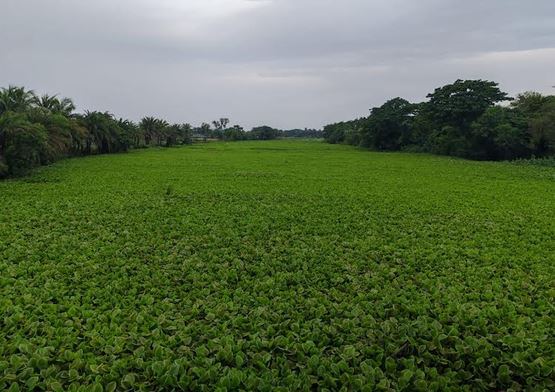
KHULNA, June 21, 2026 (BSS) - The establishment of permanent fish sanctuaries in Dumuria upazila of the district has opened up new prospects for the local fisheries sector, contributing significantly to the revival of many indigenous fish species that were once on the verge of extinction.
The sanctuaries, developed under the supervision of the Department of Fisheries, have emerged as a successful model for conserving natural fish resources through planned management, community participation and regular monitoring.
Farmers, particularly unemployed youths, are increasingly farming indigenous fish species due to strong market demand. Many have achieved financial self-reliance through the culture of these native fish varieties.
According to the Dumuria Upazila Fisheries Office, permanent fish sanctuaries have been established in several rivers and open water bodies to ensure the safe breeding, reproduction, and conservation of biodiversity in natural fish habitats.
Fishing is strictly prohibited within these areas, allowing brood fish to spawn undisturbed and juvenile fish to grow naturally.
Fisheries officials said the initiative has already yielded encouraging results. Populations of several native species, including pabda, gulsha, tengra, ayre, chital, shing, magur, gojar and shoal, have increased remarkably in recent years.
Many species that were rarely seen in local markets a few years ago are now being caught regularly.
Senior Upazila Fisheries Officer Sohel Md Zillur Rahman Regan said, "These sanctuaries serve as safe breeding grounds for brood fish. Over the past few years, we have observed the return of many indigenous fish species that had become rare in natural water bodies. This success has been achieved through proper maintenance, government supervision and active participation of local communities."
Officials at the District Fisheries Office said fish sanctuaries play an important role in increasing fish production through natural means and maintaining ecological balance in aquatic environments.
The benefits, they added, would be enjoyed not only by the present generation but also by future generations.
Local residents reported that large fish weighing between 5 and 10 kilograms, including katla, rohu, are now being caught regularly in areas surrounding the fish sanctuary on the Mora Singa River.
Similar trends have been observed in the Mora Bhadra River near the Baniakhali sanctuary in Sharafpur and in the Mirzapur Mora River, where sizeable carp and pangas are being caught.
Moreover, the restoration of aquatic vegetation, plankton and other small organisms has helped revive natural food chains, improving the overall ecological balance of local water bodies. The improved habitat has also facilitated the movement of fish into adjacent open waters, contributing to higher catches and increased incomes for local fishermen.
However, fisheries experts emphasized the need to prevent the use of illegal fishing nets, harmful pesticides and indiscriminate fishing practices to sustain the gains achieved through the sanctuary programme.
They said continued government monitoring, coupled with active community participation, could help establish Dumuria's fish sanctuaries as a national model for fish conservation and sustainable production.
Local stakeholders expressed optimism that the ongoing initiatives of the Department of Fisheries, alongside growing public awareness and engagement, would make Dumuria's permanent fish sanctuaries one of the country's most successful examples of sustainable fisheries management.
Talking to BSS, Deputy Director of the Khulna Fisheries Department Md Zahangir Alam said around 48,000 tonnes of fish worth approximately Tk 495 crore are expected to be exported from Khulna in the 2024-25 fiscal year.
He said fish farmers are being provided with training on modern aquaculture techniques to enhance production and ensure sustainability.
The Department of Fisheries is prioritising measures such as increasing the depth of ponds and ghers, strengthening biosecurity, supplying laboratory-tested virus-free PCF fry and promoting good aquaculture practices across the region, he added.