Friday
11 September, 2026
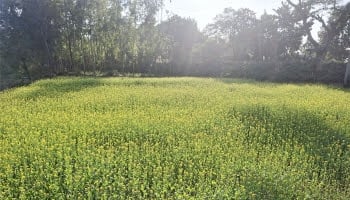
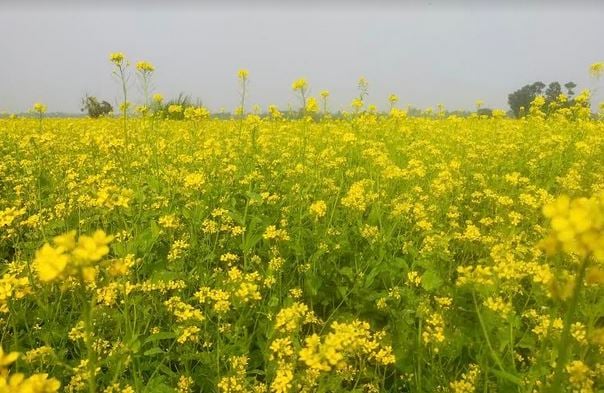
DINAJPUR, Dec 27, 2025 (BSS) - Mustard cultivation in the district has exceeded the target set by the Department of Agricultural Extension (DAE) this season, raising hopes for a bumper harvest and increased edible oil production.
According to Dinajpur DAE Deputy Director Md. Afzal Hossain, the cultivation target for mustard in the current season was fixed on 27,097 hectares of land. However, farmers brought 29,089 hectares of land under mustard cultivation, exceeding the target by 2,000 hectares. The cultivated area is also 1,992 hectares higher than last year.
He said that after harvesting and processing, the district is expected to produce around 48,575 metric tons of mustard, which could yield approximately 17 million litres of healthy mustard oil.
Farmers in Karnai and Nashipur villages under Sadar upazila reported cultivating mustard as an additional crop on fallow land between Aman harvest and Boro planting. They expect to harvest mustard within a few days and then resume Boro paddy cultivation on the same land.
Farmers said the total cost of mustard cultivation per bigha is between Taka 10,000 and Taka 12,000. Due to favourable weather conditions, yields are expected to be good, averaging 8–9 maunds per bigha.
At current market prices, farmers anticipate earnings of around Taka 15,000 per bigha, allowing them to meet household edible oil needs while earning extra income.
Deputy Director (Research and Training) Md. Mostafizur Rahman said the initiative aimed to reduce dependence on imported edible oil while improving farmers’ income.
Under a government programme, 2 kg of high-yielding mustard seeds and 20 kg of chemical fertilizers were distributed free of cost among 2,572 farmers across 13 upazilas in the district, which significantly contributed to exceeding the cultivation target, he said.
Sunil Roy, manager of Purbali Oil Mill at Maharaja More in Dinajpur town, said that about 16 litres of oil can be extracted from 40 kg of mustard, meaning one metric ton can produce nearly 400 litres of oil.
Local farmers and agriculture officials noted that proper guidance and timely support from the agriculture department have led to a steady increase in mustard cultivation each year, strengthening local edible oil production and boosting farm incomes.