Sunday
02 August, 2026
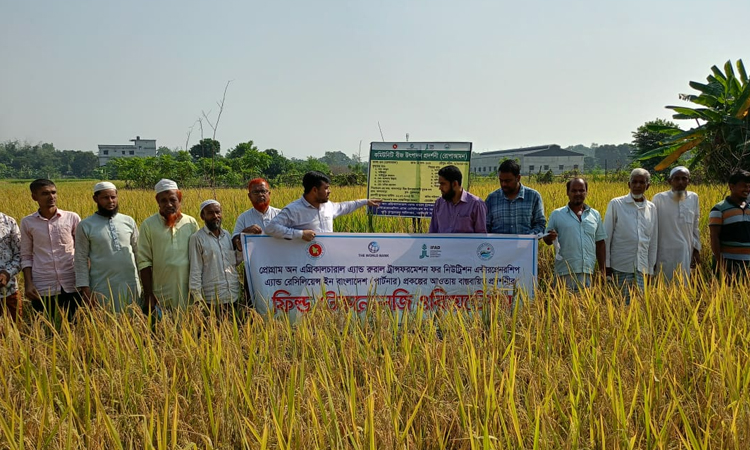
NARSINGDI, Dec 4, 2025 (BSS) - Favourable weather throughout the season has resulted Narsingdi farmers achieve a higher-than-targeted yield of transplanted Aman paddy this year.
Growers across the district are reporting bumper production with improved grain quality.
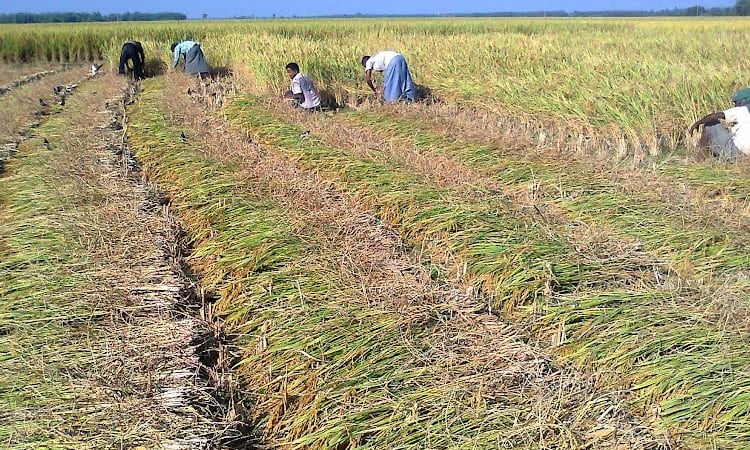
Farmers in Radhanagar, Lochanpur and the char areas of Belabo in Raipura and Monohardi upazilas were seen busy harvesting and threshing their fields. While many are using combine harvesters to speed up the process, around 80 to 85 percent still prefer hand-cutting with sickles to preserve straw quality.
Officials of the Department of Agricultural Extension (DAE) said that government support, including free fertiliser and seed distribution alongside field-level motivation programmes, encouraged farmers to bring more land under Aman cultivation than initially planned.
According to DAE, favourable weather conditions resulted in an average yield of five metric tonnes per hectare. About 18 to 20 percent of the crop has already been harvested, and the remainder is expected to be collected soon.
Field visits showed that farmers are simultaneously preparing land for mustard cultivation as they complete the Aman harvest. Many growers, though satisfied with the yield, remain concerned about recovering production costs amid unstable market prices.
Nazarul Islam, a farmer from Monohardi, said timely rainfall and the absence of major weather disruptions contributed to strong output. "I harvested around 20 to 21 maunds of paddy from one bigha of land," he said, adding that he is worried about getting fair prices.
Harunur Rashid, a farmer from Musapur in Raipura, said some fields were affected by fungal infections and rodent attacks, but overall production and grain quality remained good.
Salahuddin Tipu, additional deputy director of DAE in Narsingdi, said the bumper yield was the result of favourable weather, no natural disasters and comprehensive government assistance.
"Farmers complain every year about not getting fair prices," he said. "We are advising them to dry and store their paddy properly and sell later when the market improves."
DAE data show that the target for transplanted Aman production in the district was 40,941 metric tonnes this year, while actual output stood at 40,883 metric tonnes.