Wednesday
05 August, 2026
News Flash
News Flash
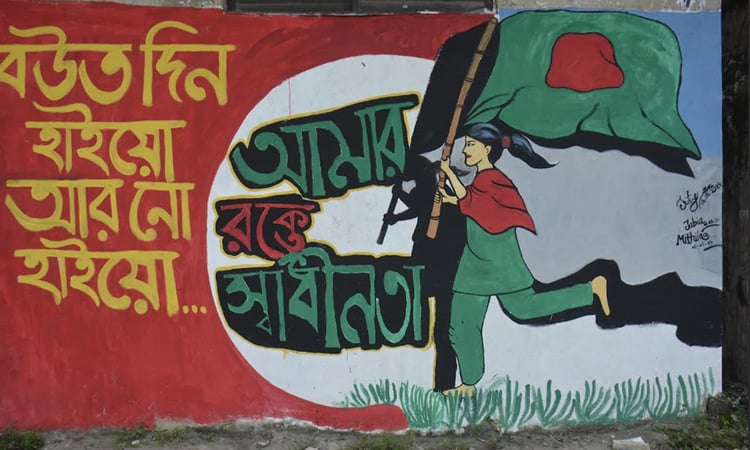
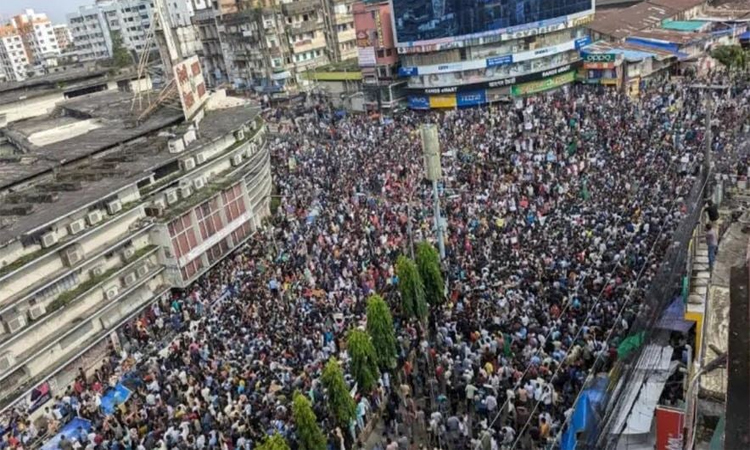
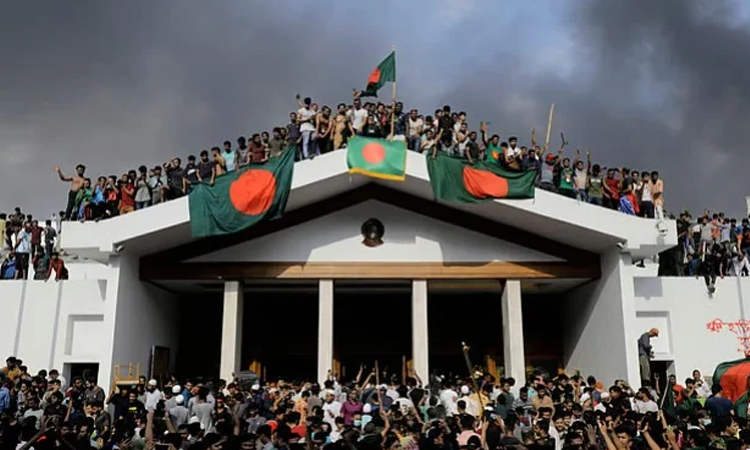
CHATTOGRAM, Aug 5, 2026 (BSS) – Graffiti written in the Chattogram regional dialect during the July Uprising in 2024 captured widespread public attention and continues to resonate with people even today.
Students began painting graffiti on walls across the country during the mass uprising in 2024, conveying powerful messages, warning against injustice and corruption.
Several graffiti written in the Chattogram regional dialect have earned a special place in the hearts of local residents. Among them, one particular slogan has become widely recognised and is often cited whenever people speak out against discrimination.
At the entrance to the Devpahar intersection on Chawkbazar College Road, students painted the phrase, "Baud Din Hayo, Ar No Hayo" (You have eaten for many days, don't eat anymore), in the local dialect. According to the students, the graffiti was intended to highlight the economic injustices committed during the ousted Hasina government's rule.
The graffiti also serves as a warning against the looting of public resources. The slogan, expressed in the regional dialect, has become deeply embedded in the public consciousness and is now commonly used by people from all walks of life in both urban and rural areas.
Local residents often use the language of the graffiti in their everyday conversations. A political science teacher at Chattogram College, who requested anonymity, told BSS today, "People were excited to hear protest slogans in their regional language because they reflected their emotions. Even after two years, the slogan remains popular. Whenever people witness discrimination or hear of corruption, they repeat the words of the graffiti."
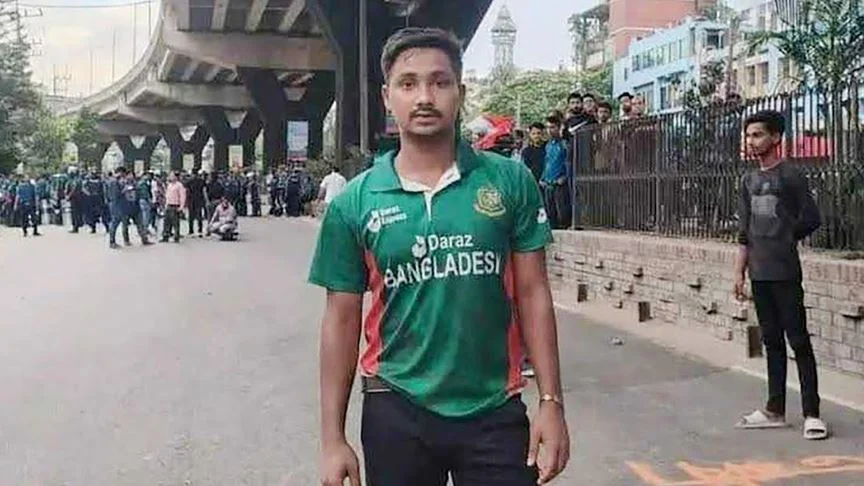
The Shaheed Wasim-Shantra graffiti is another prominent example in Chattogram. Although many graffiti were written in standard Bangla, those in the regional dialect have left a particularly deep impression on local people. While the colours of the graffiti have gradually faded over the past two years, their messages remain alive in public memory and continue to be echoed in everyday conversations.
Another well-known graffiti in the regional dialect reads, "Ghush Chaili Maijeum," warning those who seek bribes and condemning the long-standing culture of corruption in government offices.
Another graffiti addresses extrajudicial killings, asking in the local dialect: "Rajaya jahan prajar jaan loy, jiga taile raja-kar?" Yet another urges young people to continue striving for a discrimination-free society and state with the message: "Kings go, kings come, waves end, keep the rebellion going, even if you win!"
Responding to a question about the use of the regional dialect in the graffiti, State Minister for Land and Hill Tracts Affairs Barrister Mir Mohammad Helal Uddin told BSS today, "Our country is rich in linguistic and cultural diversity.
"This enables people to embrace their regional languages as part of their identity. Messages conveyed in those languages resonate quickly with the public," he said.
"The July Uprising symbolises our pride and our identity. The aspirations of that revolution, along with the message of building a new Bangladesh expressed in the regional language, will remain in the collective memory of the people for generations.
"We must preserve and honour that call and its profound significance. Only then can we realise a new Bangladesh in the true spirit of the July Uprising."