Saturday
22 August, 2026
News Flash
News Flash
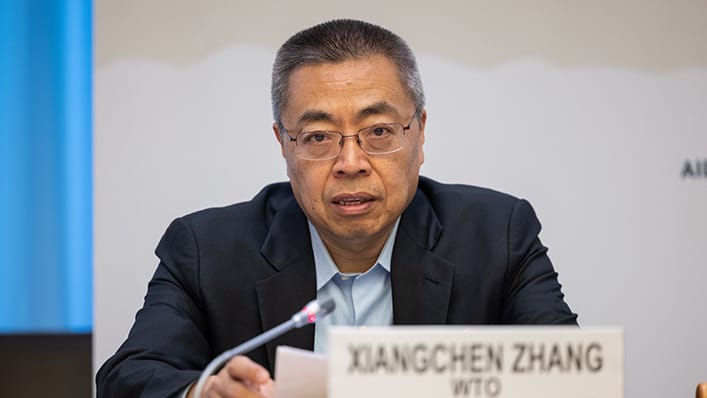
DHAKA, June 6, 2026 (BSS) – The World Trade Organization (WTO) has
underscored the importance of utilizing any extended transition period
for Least Developed Country (LDC) graduation to strengthen productive
capacity, improve competitiveness, diversify exports and prepare for
operating under standard WTO rules.
“WTO members have already taken steps to support graduating LDCs in
ensuring a smooth and sustainable transition,” said WTO Deputy
Director-General Xiangchen Zhang while talking to BSS.
He noted that the decision adopted at the WTO's 13th Ministerial
Conference provides graduating LDCs with additional time to align with
WTO disciplines.
As an example, he said if Bangladesh graduates in 2026 as originally
scheduled, it would have until 2029 to complete the alignment process.
"Regardless of the exact timing of graduation, the transition period
is an important opportunity for graduating LDCs to further strengthen
their productive capacity, enhance competitiveness, and improve the
overall investment and business environment," Zhang said.
He added that the period should also be used to prepare for operating
under more general WTO rules in a predictable and sustainable manner.
The WTO official observed that Bangladesh has demonstrated strong
development dynamism over the years and is well positioned to continue
making the necessary adjustments.
Where challenges arise during the transition process, he said, there
remains scope for constructive engagement with trading partners to
address specific concerns in a cooperative manner.
Highlighting trade priorities, Zhang said Bangladesh should focus on
diversifying export destinations and strengthening export resilience,
particularly in sectors that may face adjustments following
graduation.
He stressed that continued efforts to upgrade productivity and
increase value addition would help ensure smoother integration into
the global trading system.
Earlier, Bangladesh formally requested a three-year extension of its
LDC graduation timeline until November 2029. Recently, the United
Nations Committee for Development Policy (CDP) expressed support for
Bangladesh's request.
In a recent communication to the Bangladesh government, CDP Chair
Professor José Antonio Ocampo stated that, based on the committee's
assessment, it would be appropriate for the United Nations General
Assembly to approve the requested extension.
The CDP noted that Bangladesh has exceeded the graduation thresholds
by a significant margin under all three graduation criteria and faces
a very low risk of falling below them in the near to medium term.
However, the committee emphasized the need for substantial progress in
domestic reforms to address structural vulnerabilities during the
extended period.
According to the CDP, priority reform areas include ensuring financial
sector stability, increasing tax revenue, strengthening domestic
resource mobilization, enhancing productive capacities, promoting
economic diversification and preparing the private sector for
post-graduation challenges.
The committee also pointed to uncertainties stemming from global
economic conditions, supply chain disruptions, energy market
volatility and changes in the international trading environment as
factors that could affect Bangladesh's graduation preparedness.
The CDP emphasized that the extension should not be viewed as an
opportunity to delay reforms, but rather as a catalyst for
accelerating them and ensuring a smooth, sustainable and successful
graduation from the LDC category.