Tuesday
30 June, 2026
News Flash
News Flash
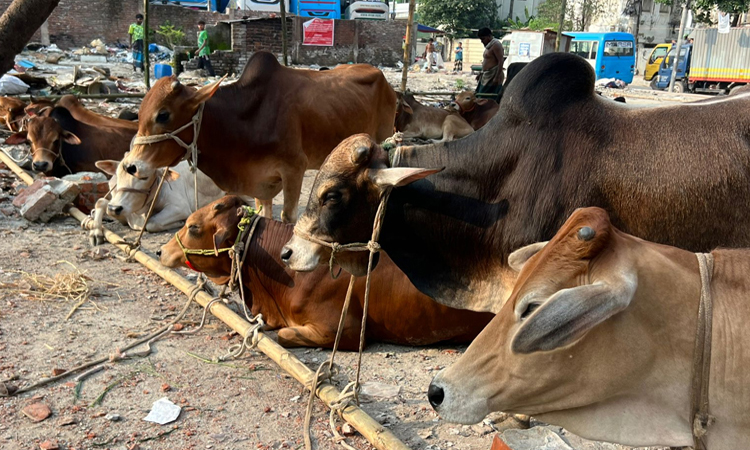
DHAKA, May 20, 2026 (BSS) - The government and city corporations have completed preparations to set up sacrificial animal markets across the country, including Dhaka city, ahead of Eid-ul-Azha, the second-largest religious festival of Muslims, which will be observed on May 28.
More than 3,600 makeshift and permanent cattle markets (hats) will be established nationwide this year.
Of these, 27 markets will be set up in the capital-11 under the Dhaka South City Corporation (DSCC) and 16 under the Dhaka North City Corporation (DNCC), including the well-known Gabtoli cattle market.
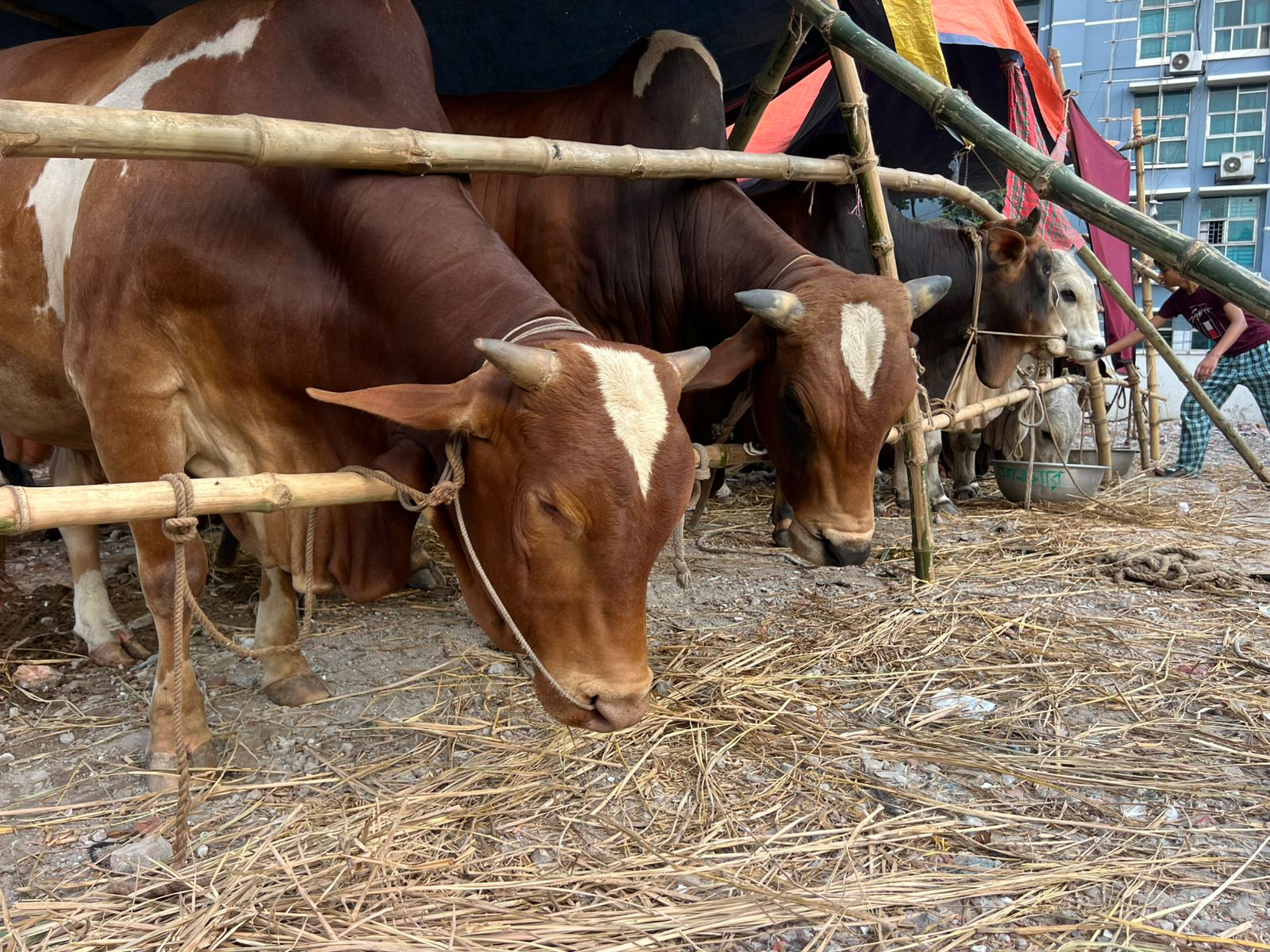
Alongside traditional markets, online platforms and farm-based direct sales of sacrificial animals have also gained popularity, allowing buyers to select animals remotely from home. Many livestock farms report that their pre-Eid sales are already nearing completion.
Agriculture and Livestock Minister Mohammad Aminur Rashid has said the country has a sufficient supply of sacrificial animals this year, exceeding expected demand. He added that the total requirement will be met through domestic production, with no need for imports.
He also said strict instructions have been issued to Border Guard Bangladesh (BGB) and police to intensify surveillance to prevent the illegal entry of cattle through border areas.
Law enforcement agencies will remain alert to ensure that no cattle markets are set up on roads or unauthorized locations.
According to the Department of Livestock Services (DLS), an estimated 12,333,840 sacrificial animals are available this year, while the projected demand stands at 10,106,334, leaving a surplus of around 2.2 million animals.
Officials said the city corporations have already invited tenders for leasing out cattle markets, and the process is now nearing completion.
DSCC chief estate officer Mohammad Mobasser Hasan said the list of 11 markets under DSCC has been finalized, with leasing rates for nine markets exceeding government-set prices, while two bids remain under review.
The highest bidders have already been granted permission to operate their respective markets.
Under DSCC, makeshift cattle markets will be set up at locations including the western side of Postagola crematorium, Maitry Sangha ground near Shahjahanpur railway colony, Rahmatganj club open space, Amulia Model Town, Syampur-Kadamtali truck stand, Aftabnagar blocks, areas adjacent to Sikder Medical, Kazla Bridge to Matuail stretch, Dayaganj to Jurain rail crossing, Banasree housing area, near Brothers Union, and the northern side of Golapbagh staff quarter.
DNCC markets will be located at Mirpur Section-6 (Eastern Housing), Kalshi Balur Mat, Dhaka Polytechnic Institute area, Merul-Badda kitchen market, East Hazipara near Iqra Madrasa, Basila 40-feet road in Mohammadpur, Sector 16-18 Uttara Diabari area, Bhatulia-Shaheed Ali Madrasa to Uttara Ranabhola sluice gate area, Rahmannagar residential area near Kachkura Bazar, Mastul checkpost, Bhatara-Sutibhola canal area, Banorupa residential project area, Mohakhali-TNT area, Swadesh Property under Badda Police Station, and Baro Beraid area of Bashundhara.
Officials said leasing of 10 DNCC markets has already been completed. The formal trading of sacrificial animals will continue for five days, including Eid day.
To ensure security, both city corporations have adopted special arrangements, including deployment of police in plainclothes at all markets. Veterinary medical teams will remain on standby at major markets to examine animals, and no animal will be allowed for sale without health clearance.
Separate taskforces have also been formed to manage traffic congestion, waste disposal, water supply, and overall market management. Authorities have instructed improved lighting, sanitation, and water facilities, with special emphasis on modern waste management to reduce environmental pollution.
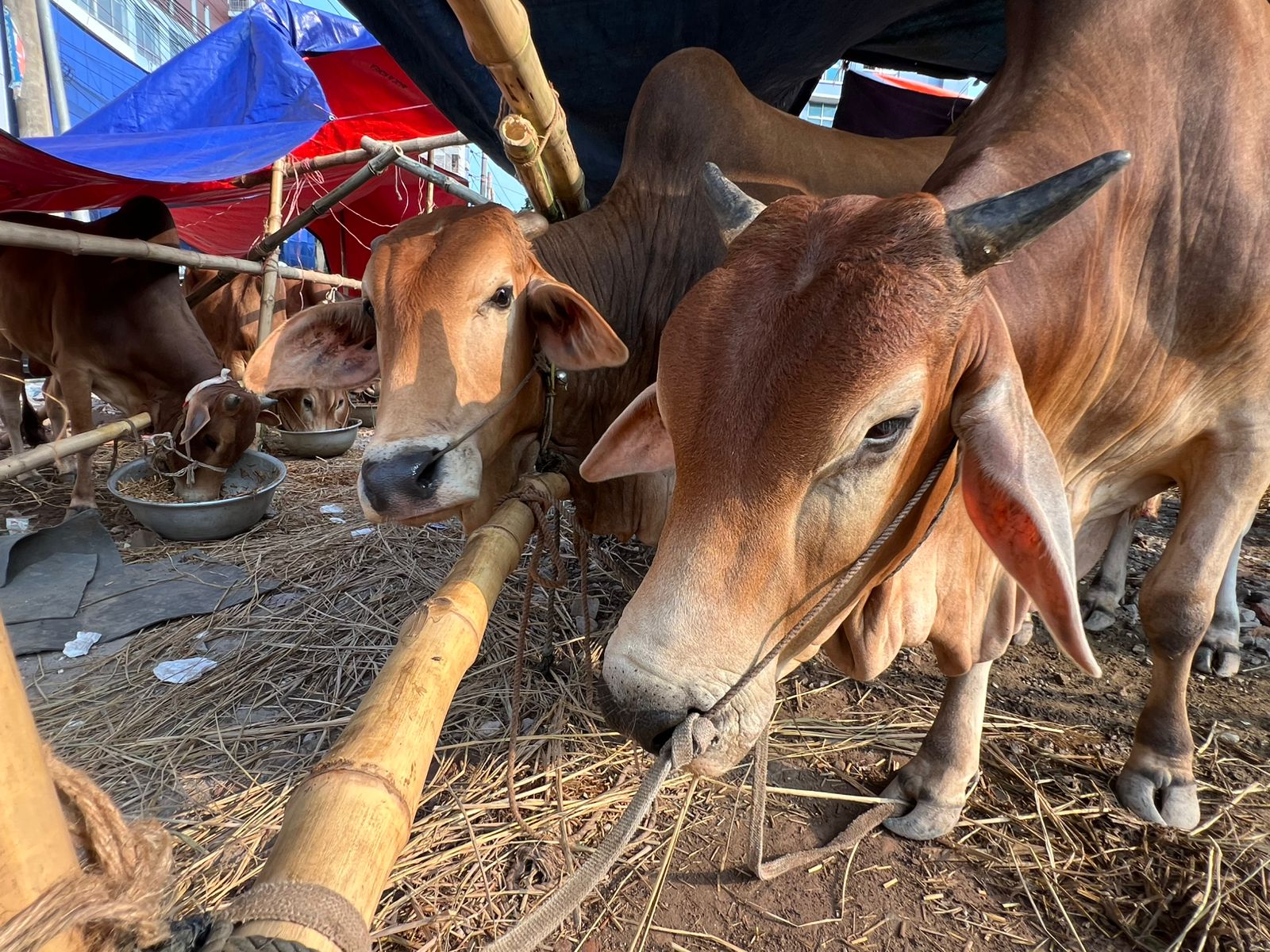
The traffic division has prepared a special plan to reduce pressure on major city roads during the Eid period.
Meanwhile, online cattle sales have seen a significant rise, with farm owners using social media pages, websites, and e-commerce platforms to reach buyers. Authorities said no "hasil" or tax will be charged for online transactions.
Buyers can view animal photos, videos, live weight, feeding details, and farm locations online, making the process easier and reducing the need to visit physical markets, particularly for those avoiding crowds or health risks.