Tuesday
08 September, 2026
News Flash
News Flash
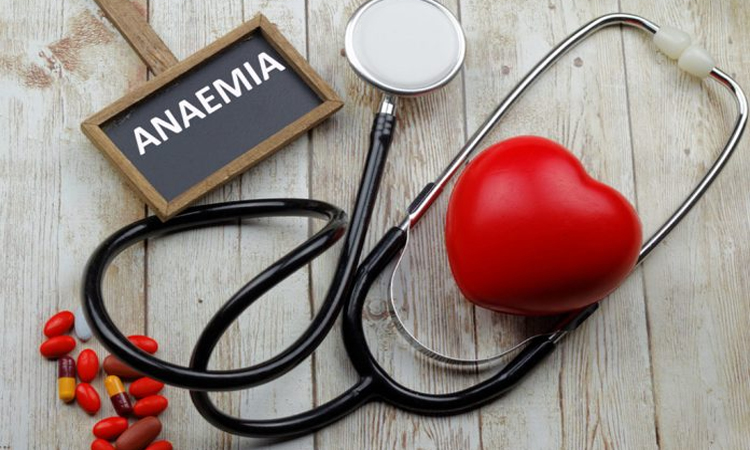
DHAKA, May 22, 2026 (BSS) - From adolescent girls to pregnant women, anemia continues to pose a serious public health challenge in Bangladesh, driven by malnutrition, menstrual complications, early pregnancy and lack of awareness, health experts say.
Afsana Rakhi, 35, works as a cashier at a shopping outlet. She suffers from dizziness, weakness, loss of appetite and cold hands and feet for most of the year. One day, she experienced sudden bleeding unrelated to menstruation and was admitted urgently to a reputed private hospital in the capital.
Medical tests revealed that she was suffering from anemia caused by endometriosis, a painful and complex uterine disease. Patients suffering from this disease often experience irregular menstruation and excessive bleeding.
Like educated urban women such as Afsana Rakhi, many rural women are also suffering from endometriosis. Certain diseases affecting women, such as polymenorrhea, endometriosis and dysfunctional uterine bleeding (DUB), increase blood loss, contributing to an alarming rise in anemia among women in the country.
According to the National Nutrition Institute, 28.9 percent of Bangladeshi women aged 12 to 49 suffer from anemia, while the rate among pregnant women stands at 37 percent. There is also a disparity between urban and rural women, with 31 percent of urban women and 44 percent of rural women suffering from anemia.
Anemia refers to a condition in which the level of hemoglobin in the blood falls below normal. Globally, particularly in developing countries, women are affected by anemia at a much higher rate than men. Menstruation, lactation and pregnancy make women more vulnerable to anemia.
According to the World Health Organization (WHO), 30 percent of women aged 15 to 49 and 37 percent of pregnant women suffer from anemia worldwide.
Public health expert Dr Lelin Chowdhury said, “Human blood contains red blood cells. These cells contain a special substance called hemoglobin. Hemoglobin has two parts - one called heme, which is iron, and the other called globin, which is made of protein. A decrease in hemoglobin, especially iron or heme, is called anemia. Naturally, women have slightly lower hemoglobin levels than men.”
He said, “The main cause of anemia in women is menstruation. During each menstrual cycle, usually 35 to 45 milliliters of blood leaves the body, though this amount can rise to 80 milliliters. Therefore, women should consume iron-rich foods to compensate for this loss. In diseases such as polymenorrhea, endometriosis and DUB, blood loss increases further. If adequate iron-rich foods are not consumed, anemia worsens significantly.”
“Pregnant women require additional iron because blood volume increases substantially during pregnancy. Mothers also need extra iron while breastfeeding. If iron-rich foods are not available during these periods, anemia develops. Some hemoglobin disorders, such as thalassemia, also cause anemia. In many families, women’s nutrition is neglected, which is another major reason behind anemia among women,” he added.
Dr. Chowdhury said, “To prevent anemia and its complications, women should be provided with nutritious and balanced iron-rich foods. Women’s diseases should be treated promptly. Women should also take deworming medicine periodically. Community clinics, medical sub-centers, upazila health projects and general hospitals provide free iron tablets to pregnant women. Awareness campaigns are needed to increase the use of these services.”
He also said that awareness regarding women’s health, especially maternal health, is gradually increasing, but due to poverty and superstition many women still avoid healthcare centers, and more work is needed in this area.
In an article aimed at raising public awareness, Dr. Israt Jabin, Assistant Professor at Green Life Medical College, said, “Globally, especially in developing countries, anemia among women is alarmingly higher than men. Iron deficiency anemia occurs when the body lacks iron, which is necessary for producing hemoglobin. In addition, deficiencies of vitamin B and folic acid, chronic diseases, cancer, bone marrow disorders, thyroid problems, premature destruction of blood cells and conditions such as thalassemia can also cause anemia.”
She said, “If these additional nutritional needs are not met, health risks increase for both mother and child. Malnutrition, worm infestation, prolonged use of painkillers causing stomach ulcers, uterine tumors, bleeding from constipation, piles and several other conditions may also lead to iron deficiency. Folic acid deficiency is common during pregnancy and should be addressed through supplements. Folic acid is available in green and colorful vegetables.”
“Many women in Bangladesh are unaware whether they carry mild hereditary blood disorders such as thalassemia or hemoglobin E trait. These conditions may keep hemoglobin levels slightly low throughout life. A test called hemoglobin electrophoresis can identify these disorders,” she added.
Health experts say symptoms of anemia include extreme weakness and fatigue, pale skin and lips, breathlessness after slight exertion, dizziness or fainting, heart palpitations, breathing difficulties and cold hands and feet.
Experts said that once diagnosed with anemia, it is important to determine its severity and identify the underlying cause under medical supervision. Iron-rich foods such as taro, taro leaves, spinach, liver, green bananas and dates are recommended. However, supplements may be necessary if diet alone cannot meet iron requirements. In severe cases, blood transfusion may also be required.
At a discussion with journalists titled “Investment in Nutrition Sector in Bangladesh: Necessity, Challenges and Opportunities”, speakers said childhood malnutrition in Bangladesh remains a matter of concern. Despite significant progress in nutrition over the past decade, Bangladesh ranks fifth in South Asia in terms of stunting, after Afghanistan, Pakistan, India and Nepal.
Bangladesh also has the highest rate of adolescent pregnancy in South Asia, with 113 out of every 1,000 girls becoming mothers before the age of 19. These factors are creating a major burden of malnutrition in the country.
A recent report by Nutrition International said Bangladesh could save at least US$13 billion, or more than Taka 1.56 lakh crore, equivalent to 2.8 percent of the country’s Gross National Income (GNI), by increasing investment in preventing stunting and anemia among children, adolescent girls and women.
The report noted that nutrition affects not only health but also economic productivity, education and social development. Therefore, nutrition must be integrated with other sectors. It also stressed the importance of allocating separate funds for distributing iron and folic acid (IFA) tablets to female students from grades six to ten under adolescent nutrition programmes.
According to statistics from 2023-2025, around 37-40 percent of women of reproductive age (15-49 years) in Bangladesh suffer from anemia. Among pregnant women, the rate is nearly 50 percent. Around 38 percent of adolescent girls are affected by anemia, while early pregnancy remains highly prevalent among them.
The prevalence of anemia is significantly higher among illiterate or less educated pregnant women, reaching up to 71 percent.
Experts identified major causes of anemia among women as lack of iron-rich foods in the diet, monthly menstrual blood loss, pregnancy and childbirth-related blood loss, early marriage, frequent pregnancies and worm infections due to poor sanitation.
Health risks associated with anemia include premature birth, miscarriage, low birth weight, reduced productivity and impaired physical and mental development among adolescents.
Experts recommended consuming iron-rich foods such as spinach, beetroot, red meat, liver, pulses, nuts and dried fruits. Vitamin C-rich foods such as lemon, orange and guava help absorb iron and should be consumed with iron-rich meals. Pregnant women and women of reproductive age should take iron and folic acid supplements under medical advice and deworming tablets at least once a year.