Friday
28 August, 2026
News Flash
News Flash
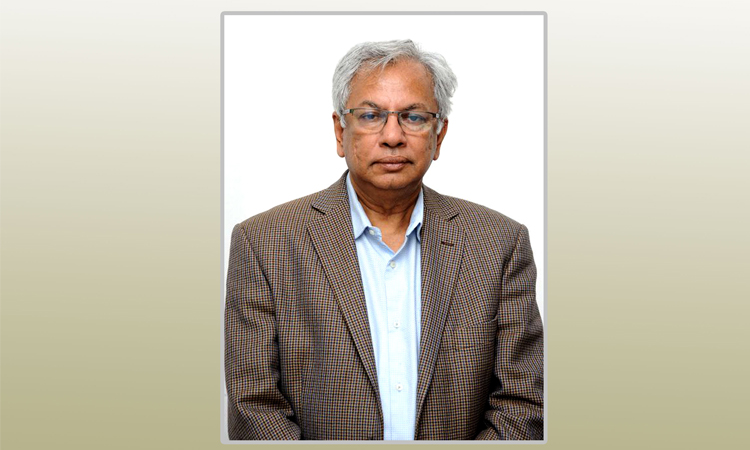
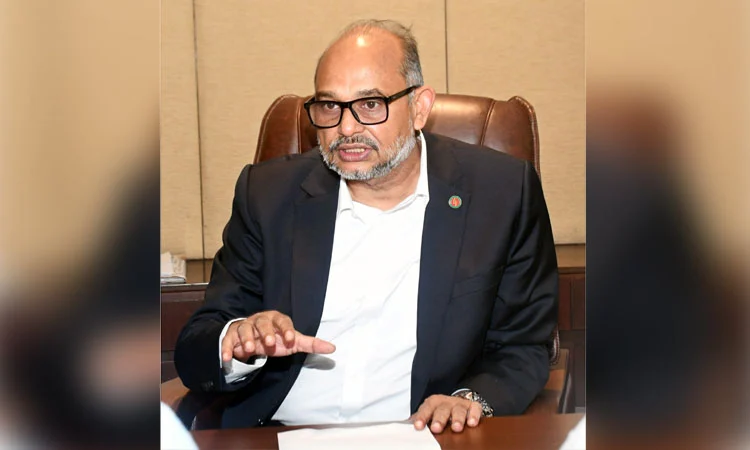
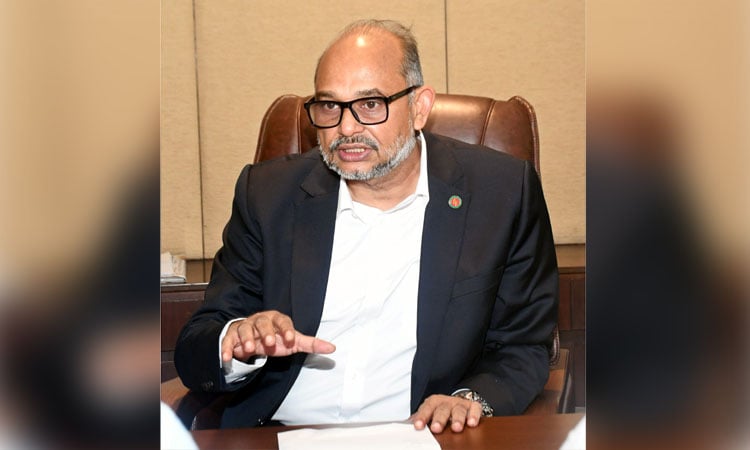
DHAKA, May 22, 2026 (BSS) - As the national budget for fiscal year 2026-27 is set to be placed amid rising global uncertainty, Bangladesh Institute of Development Studies (BIDS) Director General (DG) Dr A K Enamul Haque has stressed that the country's top economic priority should be the systematic implementation of the government's election commitments while simultaneously preparing for emerging global risks.
In an exclusive interview with BSS ahead of the upcoming national budget to be placed in Jatiya Sangsad next month, he said, "One major issue is implementing the government's election manifesto. The commitments made to the people for the next five years should begin to be implemented systematically."
Dr Enamul warned that the ongoing conflict in the Middle East could trigger a fresh global food crisis and place additional pressure on Bangladesh's economy through rising commodity prices and supply disruptions.
"As a result of the war, global food shortages are likely to increase. Bangladesh must prepare in advance," he said.
Dr Enamul emphasized that the budget should allocate sufficient resources for government-led food procurement and imports to maintain adequate domestic supply and stabilize prices.
"The government should maintain strategic food stocks under its own supervision. If supply does not increase, inflationary pressure will worsen," he said.
He argued that relying only on cash assistance would not be enough in the current situation because shortages in food supply could continue pushing prices upward.
"If there is not enough food in the market, simply providing money will not solve the problem," he added.
The noted economist also urged the government to prepare contingency plans for Bangladeshi migrant workers who may return from Gulf countries, especially from the United Arab Emirates (UAE), if regional instability deepens.
"There should be budgetary preparation for their rehabilitation through easier access to loans so they can start small businesses or income-generating activities after returning home," he said.
Highlighting climate-related vulnerabilities, Dr Enamul said Bangladesh must increase support for rural populations affected by heatwaves, flash floods and crop losses, especially in haor regions.
He proposed expanding support for duck farming, cattle rearing and livestock-based activities in flood-prone areas to create alternative sources of income for farmers.
"Haor farmers depend on a single crop. If that crop is destroyed, they lose income for the entire year. Alternative income sources are essential," he said.
While supporting temporary cash assistance for disaster-hit populations, he cautioned that excessive dependence on cash transfers without increasing food supply could intensify inflation.
The BIDS DG also stressed the importance of expanding the government's Open Market Sales (OMS) programme and improving food assistance for vulnerable groups.
"If rice and lentils are supplied through OMS, eggs should also be included to ensure balanced nutrition and support domestic producers," he said.
Referring to growing food insecurity risks, he cited international warnings that several countries could face famine-like conditions if the global situation deteriorates further.
"Bangladesh must prepare now because food insecurity is becoming a concern," he added.
Dr Enamul further suggested that the government expand the use of farmer cards and family cards to streamline social protection programmes and agricultural support.
"If agricultural inputs such as fertilizer and pesticides can be supplied at lower prices through farmer cards, it will help increase production," he said.
He also recommended integrating multiple welfare programmes under a unified family card system to improve accountability and reduce misuse.
"About 20 percent of the population already receives some form of government support. If these programmes are integrated strategically, fiscal pressure will not increase significantly," he noted.
On external trade strategy, Dr Enamul stressed that Bangladesh should strengthen economic integration with Asian economies as geopolitical tensions continue affecting Europe and Middle Eastern trade routes.
"Asia is still relatively neutral in the current conflict situation. Bangladesh should focus more on increasing exports to Asian markets, including India," he said.
He added that the FY27 budget should focus more on building long-term economic foundations rather than launching excessively ambitious projects.
"The main objective should be to maintain economic growth momentum and prepare the foundation for the next five years," he said.