Tuesday
08 September, 2026
News Flash
News Flash
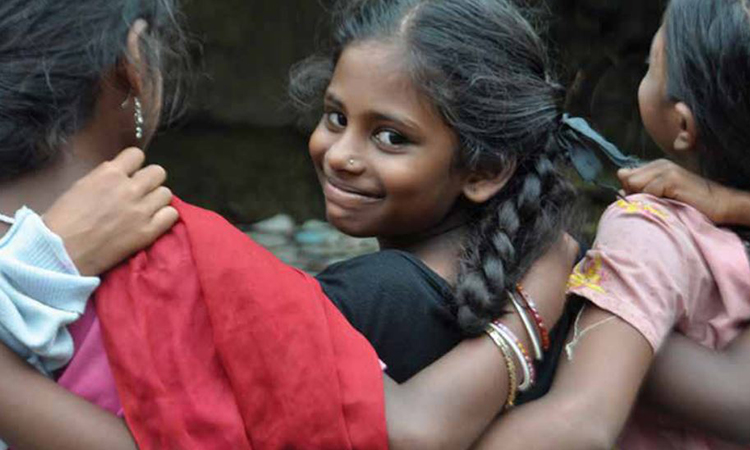
DHAKA, April 16, 2026 (BSS) - Eight-year-old- Maliha is growing up in an island area with her family at seaside Rangabali upazila of Patuakhali district.
Very often, Maliha fell affected by various diseases due to the use of salty sea water. Various diseases including diarrhea and respiratory problems are common in her life. Due to low immunity, she is at high risk of contracting other life-threatening diseases.
Like Maliha, other children of the area are also suffering from malnutrition. Children in mountainous regions and coastal areas are severely exposed to climate risks.
Bangladeshi children are among the most climate vulnerable group in the world. One in every three children in Bangladesh is severely exposed to climate risks.
Of them, nearly 50 lakh children are under the age of five, nearly 1.2 crore children live near flood-prone areas and 45 lakh children living in coastal areas are at the high risk of being affected by cyclones.
Global warming, deforestation, industrialization, pollution, and urbanization are mostly causing a long-term effect on weather. However, global warming is the most important cause of climate change. Due to increase in temperature and climate change, severe weather disasters have begun in the world.
According to different institutional research Bangladesh is one of the most vulnerable countries in the world to climate change. Children are at the high risk as climate change exacerbates social problems. In the UNICEF's Children's Climate Risk Index, Bangladesh ranks 15th out of 163 countries.
A UNICEF report stated that devastating floods, cyclones and other environmental disasters linked to climate change are threatening the lives and futures of more than 1.90 crore children in Bangladesh.
It said that climate change is a major factor that is pushing poor Bangladeshis to leave their homes and try to start a new life elsewhere.
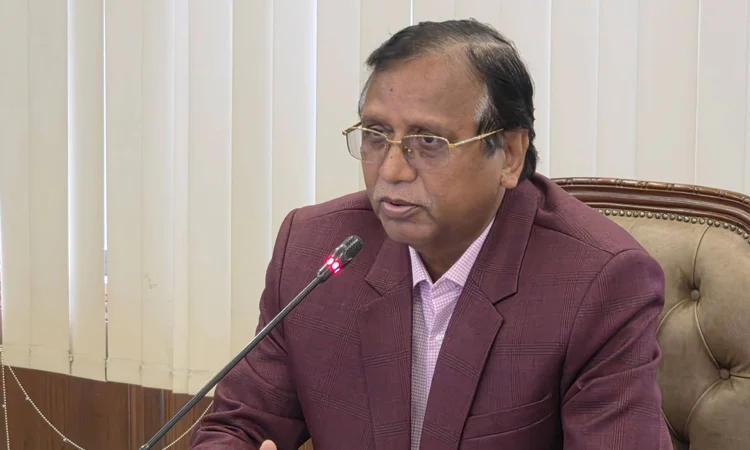
Dr. Ahmad Kamruzzaman Majumder, Dean of the Faculty of Science, Stamford University Bangladesh, said children in Bangladesh face the dual challenge of the climate crisis and violation of their right to live and develop in a safe and healthy environment, which is very important to recognize.
UNICEF Bangladesh organizes regular dialogues between children, parliamentarians and decision-makers to allow children to express their views on issues that affect their lives.
The revised ‘Children’s Climate Declaration’ emphasizes that the climate crisis is fundamentally a crisis for children’s rights.
UNICEF Bangladesh works with the government to strengthen climate-adapted education, health, nutrition, water, sanitation and hygiene services for children to build climate resilience in communities and prepare children to cope with the impacts of climate change.
There are nearly 60 lakh climate-related migrants in the country, which is expected to more than double by 2050. In addition, another 45 lakh children living in coastal areas are regularly affected by powerful cyclones.
Majumder urged the international community and other stakeholders to support the government in implementing several initiatives to protect children from the harmful effects of climate change.