Sunday
26 July, 2026

DHAKA, Dec 09, 2025 (BSS) – Speakers today said Bangladesh will move toward a sustainable, low-carbon and resilient power system by ensuring the effective integration and multipurpose use of renewable energy.
They made the remarks at a seminar on ‘National Energy Resilience through Renewable Integration: The Bangladesh Perspective’ at the NEC conference room of the planning ministry here today.
Power Division’s additional secretary KM Ali Reza presented a keynote paper at the seminar putting importance on effective integration of renewable energy to ensure sustainable energy security in Bangladesh.
He said that solar, wind and biomass-based energy are being integrated into the power and energy system, while grid capacity is increasing and dependence on fossil fuels is declining.
“Nationwide development of power distribution infrastructure and technological modernization are further strengthening energy resilience,” Reza said.
It is essential to increase renewable energy production to ensure sustainable development as well as address the risks of climate change, he said, adding that renewable energy integration is gaining momentum through public-private partnerships.
Power secretary Farzana Momtaz said that the need for using renewable energy in industries is essential to maintain competitiveness in the global market.
“Industrial institutions have been given opportunity to generate electricity from renewable sources on their own initiatives and sell it to the government after using. Net Metering Guidelines-2025 was updated to increase use of rooftop for solar panels. The new guideline gave another opportunity to use 100 percent of solar power instead of 70 percent,” she said.
In addition, a uniform standard operating procedure was formulated to ensure safe operation of the power division, which will strengthen safety of workers and control of accident, Momtaz said.
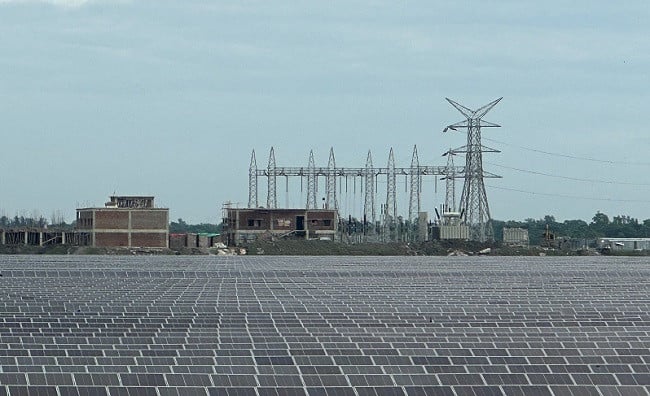
Mokhles Ur Rahman, member of industries and energy department, said that although the contribution of solar energy to the national grid is currently 5 percent, the new projects with a capacity of 75 MW will increase it significantly.
Md Manzur Hossain, member of general economics department, said that modern and high-efficiency solar panels will require comparatively less land, which will also ensure multipurpose use of land.
Planning division secretary SM Shakil Akhtar, planning commission infrastructure department member MA Akmal Hossain Azad, agriculture, water resources and rural institutions department member Dr Md Mostafizur Rahman and socio-economic infrastructure department member Dr Qayyum Ara Begum were present at the seminar.