Thursday
27 August, 2026
News Flash
News Flash
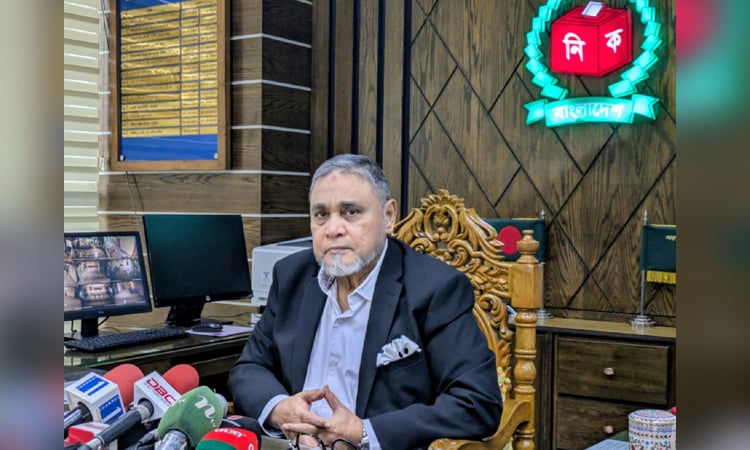
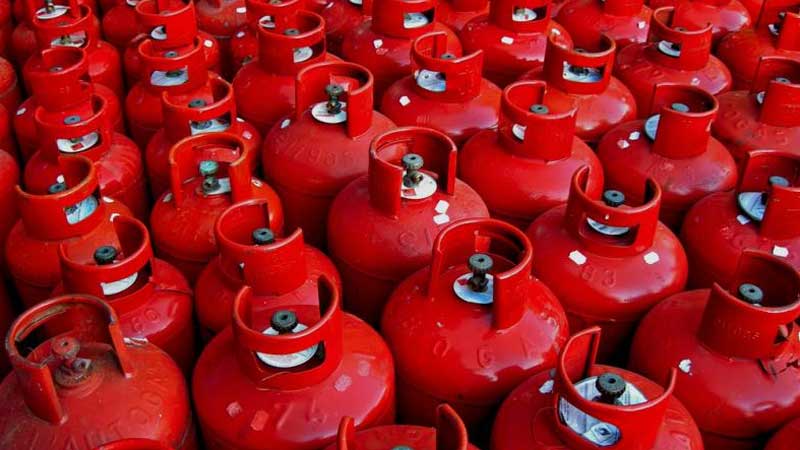
DHAKA, Jan 15, 2026 (BSS) – Bangladesh Energy Regulatory Commission (BERC) Chairman Jalal Ahmed today said the commission was working to ease import and supply of liquefied petroleum gas (LPG) in the country to offset the ongoing crisis.
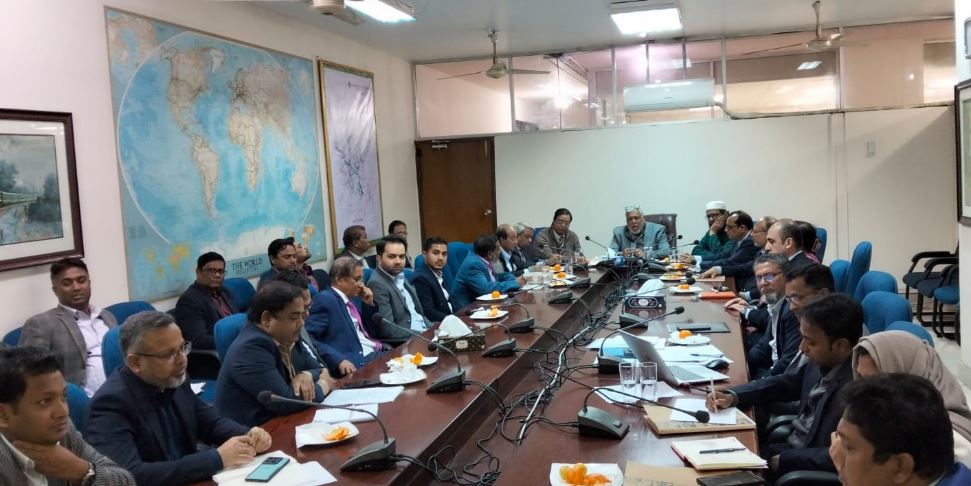
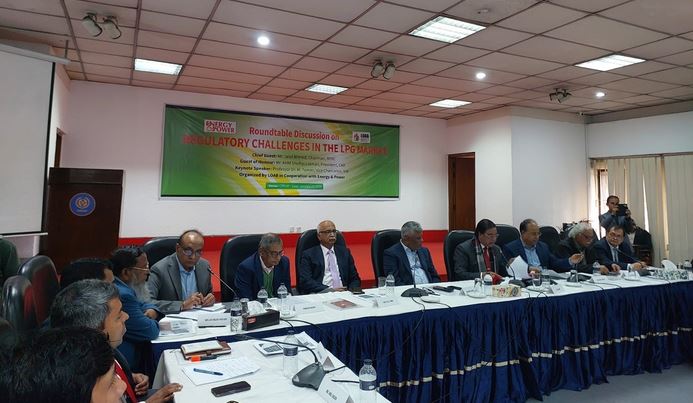
“As the regulatory body we are working on easing the process of issuing licenses and their renewal and other related matters,” Ahmed told a seminar on “regulatory challenges in the LPG market" at CIRDAP auditorium in the city.
The BERC chief said due to Middle Eastern crisis particularly centering Iran, countries like China bought a large volume of LPG from the international market squeezing opportunities for smaller buyers like Bangladesh.
He said BERC was also working to minimize consumers’ sufferings involving LPG as the import of the crucial fuel and its distribution in Bangladesh operated by the private sector.
Energy and Power magazine and LPG Operators Association of Bangladesh (LOAB) jointly organized the discussion, moderated by Editor of the publication Molla Amjad Hossain.
The BERC chief said geopolitics in recent months exposed energy supply system critical as numerous ships and companies were blacklisted in November and December last year and more are feared to come under such sanctions.
Ahmed said Bangladesh in 2022 imported 1.29 million tones of LPG, 1.28 million tonnes in 2023 while the volume was 1.61 million tonnes in 2024 and 1.465 million tonnes in 2025.
He said the import volume of LPG was declined in the last year.
Energy expert and Vice Chancellor of International University Bangladesh Professor M Tamim presented the keynote paper in the roundtable saying that companies now needed to spend over Taka 1 crore per year license renewals, directly affecting consumers.
“LPG plays a critical role in Bangladesh’s current gas crisis and energy transition,” he said while around $3.5 billion investment comes from private-sector-driven LPG industry.
He said LPG supports households, transport, industries and rural access while it was fully dependent on imports and therefore logistics efficiency and regulatory stability were crucial.
The BERC provided 52 companies to operate LPG business with its chairman saying out of them, 33 have their own plants, while a total of 17 companies were involved in the import process.
Ahmed said some of the companies imported LPG only once, some imported once a year but seven or eight companies Petromax, Omera, Meghna, Jamuna, United Igas were importing every month.
Consumers Association of Bangladesh (CAB) President AHM Shafiquzzaman said he believed there should be no import duty on a daily commodity like LPG.
LOAB President Mohammad Amirul Haque said LPG unloading from mother vessel in outer anchorage is a “very problematic matter”.
He urged the government to allocate 200 acres of land at Maheshkhali for all the operators who could jointly operate the unloading process in an easy way.
Haque said currently operators needed to visit five regulatory agencies for licenses or other official works adding this process should be done by one regulator.
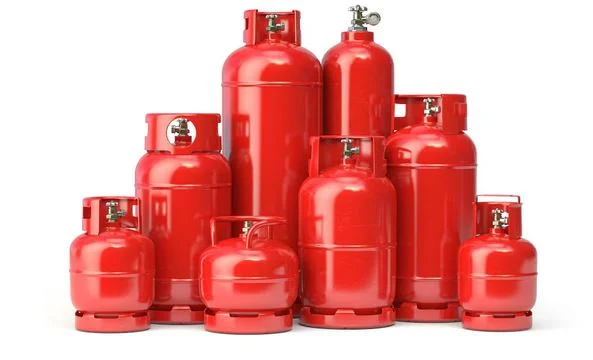
Molla Amjad said reduced regulatory costs would decrease LPG price up to Taka 100 on a 12 kg cylinder, which is widely used.
Energy Division Joint Secretary AKM Fazlul Haque said that LPG is used by about six million families in the country.
Former MP BNP leader Zahir Uddin Swapan said that a positive message was given to BNP in terms of policy.
“We have learned a lot from the past, are worried about the current system, and will try to utilize the digital facilities are available, if BNP is elected to power,” he said.