Saturday
22 August, 2026
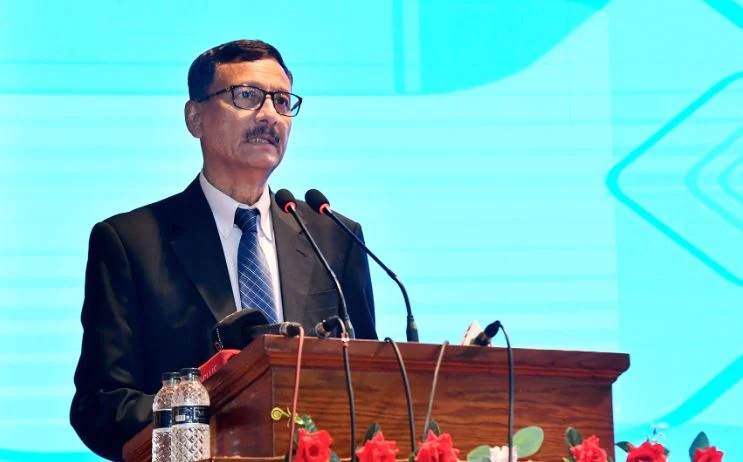
DHAKA, Dec 10, 2025 (BSS) – Foreign Affairs Adviser Md. Touhid Hossain today said Bangladesh has facilitated the treatment of more than 159 July fighters in four countries through bilateral arrangements, describing the effort as part of the government’s diplomatic response to domestic and friendly nations’ health needs.
“We have also facilitated the treatment of more than 159 July fighters in four countries through bilateral arrangements. All these happened as a diplomatic response to the domestic needs of the country or as the health need of other friendly countries,” he said.
The adviser was speaking at a seminar titled “Navigating the New Landscape of Global Health: Strategic Pathways for Bangladesh” at the Foreign Service Academy this afternoon.
Foreign Secretary Asad Alam Siam delivered the welcome speech and outlined the agenda for the discussion, which focused on how Bangladesh can position itself within the evolving global health architecture.
Touhid, as the chief guest, said that his ministry plays a critical role at the intersection of health and diplomacy, working with global platforms and bilateral partners to advance Bangladesh’s health priorities.
He highlighted Bangladesh’s engagement in pandemic agreement negotiations, non-communicable disease forums and partnerships involving health workforce development and hospital infrastructure.
Reflecting on the COVID-19 pandemic, Touhid described it as a lesson in health diplomacy, noting Bangladesh’s efforts to secure vaccines and medical supplies through active engagement in multilateral mechanisms such as COVAX.
He emphasized the importance of balancing “Foreign Policy for Health” and “Health for Foreign Policy” as Bangladesh navigates global health challenges.
Touhid also highlighted Bangladesh’s contributions to global health, citing the country’s pharmaceutical exports to nearly 150 countries, the global impact of ICDDR,B’s research, the potential of the oral cholera vaccine developed by Bangladeshi scientists, and the role of peacekeepers in extending medical support in Africa.
He warned that declining international attention to large-scale humanitarian situations such as the Rohingya crisis poses significant regional health security risks.
He added that Bangladesh’s epidemiological transition, climate-linked vector diseases, antimicrobial resistance, and the nation’s upcoming LDC graduation will require renewed international partnerships and sustained domestic investment.
The adviser expressed hope that the seminar would help identify ways to strengthen collaboration between the Ministry of Foreign Affairs, the Ministry of Health and Family Welfare, and Bangladesh’s missions abroad to achieve universal health coverage and reinforce national health security under the One Health approach.
The event brought together diplomats, health experts and policy specialists for discussions on global health governance and Bangladesh’s strategic positioning.