Saturday
22 August, 2026
News Flash
News Flash
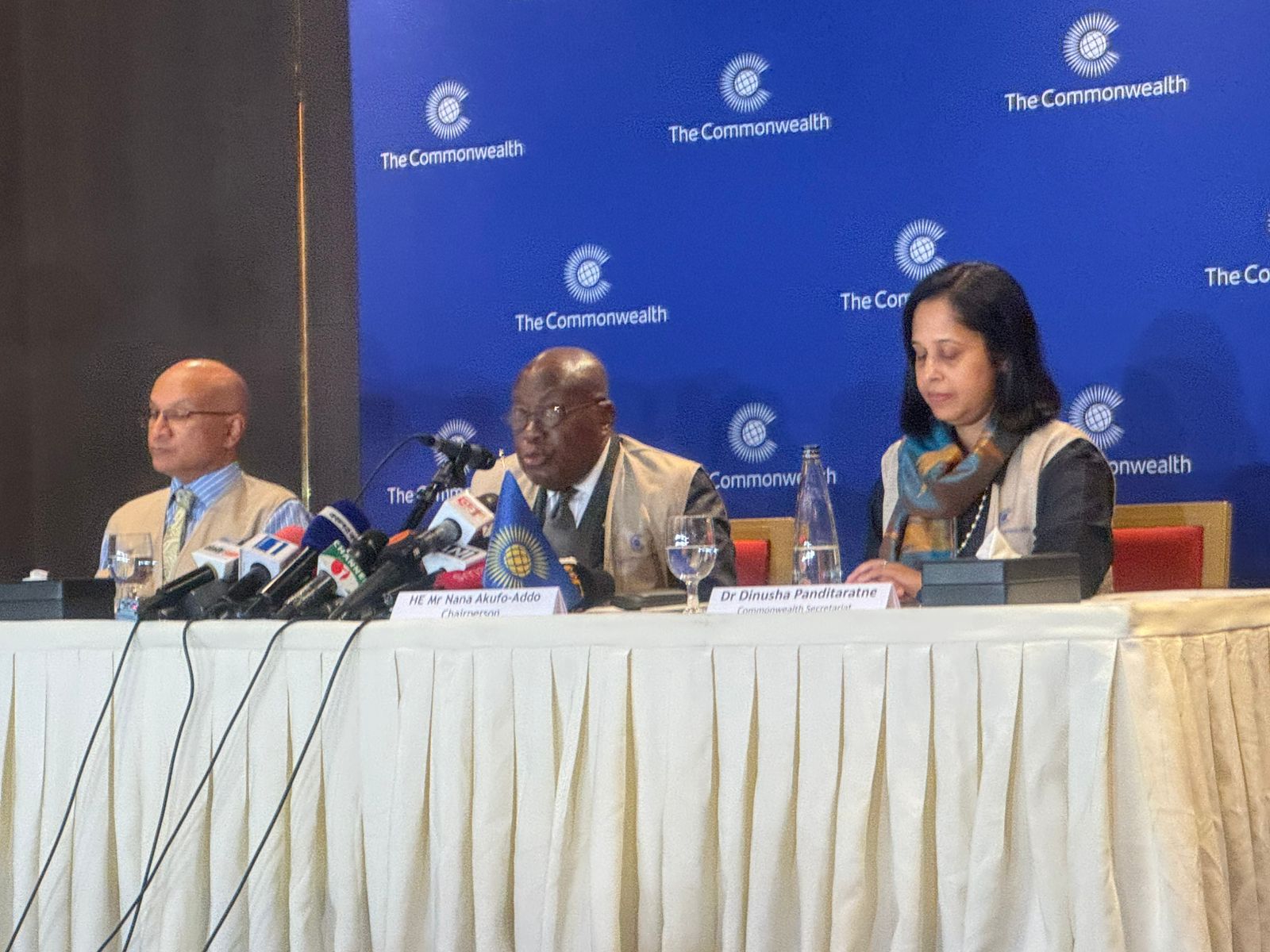
DHAKA, Feb 14, 2026 (BSS) - Commonwealth Observer Group today termed the 13th National Parliament Election in Bangladesh, held on February 12, as transparent, free, peaceful and acceptable.
"It (the election) was acceptable, it was peaceful throughout, and it was transparent," said Chairperson of the Commonwealth Observer Group and former President of Ghana Nana Addo Akufo-Addo at a press briefing at a city hotel here.
Delivering the interim statement at the briefing after observing the February 12 parliamentary election and the referendum on the July Charter, Akufo-Addo said the overall electoral process was conducted in a peaceful, orderly and largely transparent manner.
He commended the people of Bangladesh, the Bangladesh Election Commission (BEC), law enforcement agencies and the interim government for ensuring an environment conducive to voting across the country.
"The Commonwealth is honoured to have been invited by the Chief Election Commissioner," he said, noting that the 13-member Observer Group was constituted by Commonwealth Secretary-General Shirley Botchwey and comprised experts in politics, law, media, gender and election administration from different Commonwealth regions.
The Group was deployed across Bangladesh's eight divisions ahead of polling day to assess the pre-election environment, campaign activities and election day procedures.
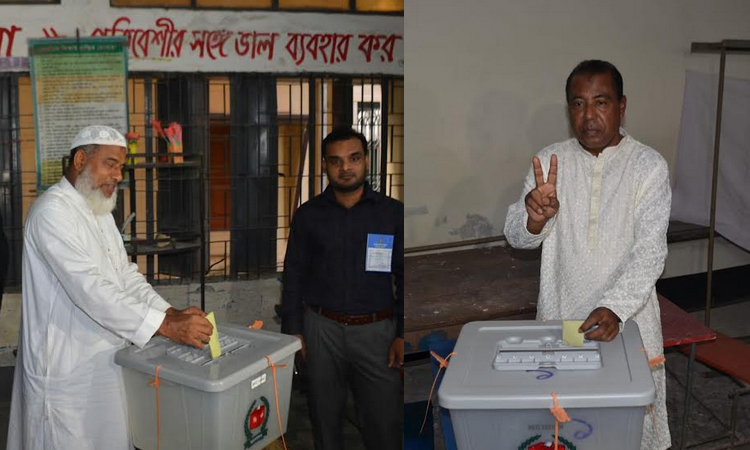
In its preliminary findings, the Observer Group described election day as peaceful, with polling stations opening on time and voting procedures implemented professionally.
Ballot materials were distributed in advance, and officials adhered to prescribed guidelines during pre-poll preparations.
Voting was conducted calmly and largely in accordance with established procedures, the Group observed. Although a few isolated incidents were reported, these did not appear to affect the overall conduct of the election in a systemic manner.
Observers also noted that relevant voter information was clearly displayed at polling centres, separate queues were maintained for men and women, and most stations were divided into multiple streams to facilitate efficient queue management.
The Group followed the results process from polling stations to returning officers' centres in several constituencies and described the counting of ballots, including postal ballots, as transparent.
Security arrangements were commended as well coordinated and effective. Police and other security officials were present at polling stations, while CCTV cameras and body-worn cameras were deployed to enhance oversight without compromising the integrity of the process.
The extension of postal ballots to overseas voters and inmates was termed a "laudable development" aimed at expanding enfranchisement. However, the Group said further efforts are needed to strengthen transparency and public confidence in the logistics of implementation.
On participation and inclusion, the Observer Group praised the large turnout of women voters and noted the visible participation of women as polling officials and security personnel.
Nevertheless, it expressed concern over the low percentage of women candidates, at four percent and the election of only seven women to parliament.
The Group indicated that it would recommend measures to encourage greater participation of women in future electoral processes, including addressing prevailing challenges such as online harassment and structural barriers within party hierarchies.
Youth engagement in political mobilization was also acknowledged as increasingly visible, though observers suggested that greater institutional inclusion of young people within formal political structures would further strengthen democratic participation.
The Group further observed that election and security officials assisted persons with disabilities (PWDs) and elderly voters.
Regarding the July Charter referendum, the Commonwealth recognized it as a response to urgent demands for reform but noted that some stakeholders had expressed concerns over the consultative depth and clarity of communication surrounding the process.
The Bangladeshi media was described as vibrant and active, with extensive coverage of election-related developments contributing to public engagement and strengthening political discourse.
In its conclusion, the Group acknowledged isolated reports of post-election tensions and urged all stakeholders to maintain calm and resolve disputes through lawful channels.
Looking ahead, the Observer Group encouraged the Bangladesh Election Commission to conduct a comprehensive post-election review, including consideration of observer recommendations.
It also urged the establishment of a domestic mechanism to implement recommendations from the Group's forthcoming final report.
"The people of Bangladesh have exercised their democratic rights to seek the fulfillment of their aspirations," Akufo-Addo said, calling for unity and magnanimity in the post-election period.
The Commonwealth Observer Group's final report, containing detailed findings and recommendations, will be submitted to the Secretary-General and shared with the government, the Election Commission and relevant national stakeholders.