Thursday
20 August, 2026
News Flash
News Flash
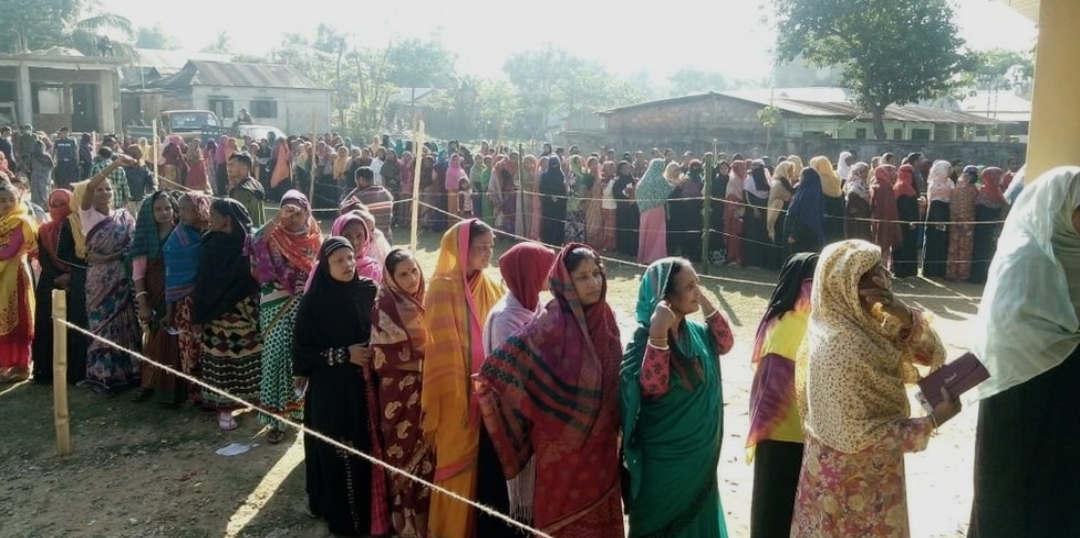
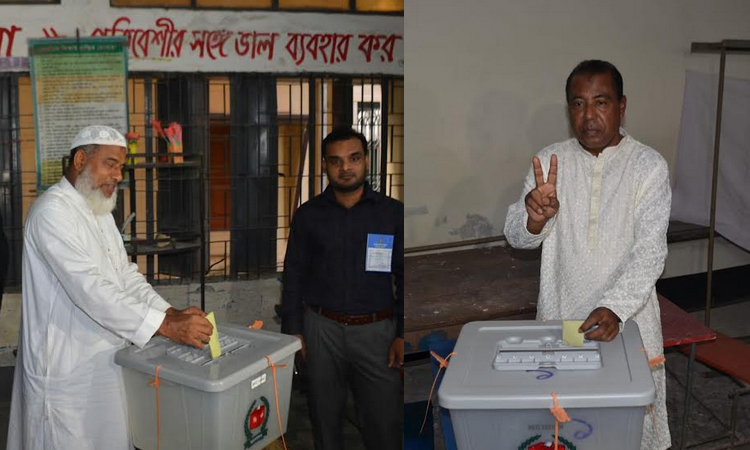
KHULNA, Feb 7, 2026 (BSS) - Women voters have emerged as a decisive factor in the upcoming national election in Khulna division, potentially reshaping outcomes across all 36 parliamentary constituencies.
Out of a total 14,080,722 voters in the division, women account for 7,044,175 - outnumbering male and third-gender voters by 7,762. As a result, candidates' victory or defeat is increasingly seen as hinging on women voters' final choices, with the overall electoral equation likely to change accordingly.
Despite their numerical strength, only seven women are contesting in the 36 seats of Khulna division this time.
Field-level inquiries show that political parties are actively courting women voters with targeted pledges. The BNP has been campaigning on promises including the introduction of a "Family Card" for five million families, easy-term loans for women entrepreneurs, expanded employment opportunities for women, and the establishment of specialised training centres in every district.
Jamaat-e-Islami candidates are also going door to door, seeking women's votes with various development commitments focused on women.
Although most women voters are reluctant to speak openly about their voting preferences, many are closely watching the promises being made -- particularly the proposed "Family Card," which has generated notable discussion among households. Observers believe that the silent majority of women voters could spark a last-minute electoral shift.
Beyond national issues, women voters say they will prioritise local concerns such as waterlogging, reopening of mills and factories, free education, and employment opportunities when casting their votes.
According to Election Commission data, women voters in the division are distributed as follows: 338,771 in Narail's two seats; 671,633 in Bagerhat's four seats; 1,044,375 in Khulna's six seats; 787,686 in Jhenaidah's four seats; 1,222,159 in Jashore's six seats; 417,269 in Magura's two seats; 291,769 in Meherpur's two seats; 865,803 in Kushtia's four seats; 498,666 in Chuadanga's two seats; and 906,044 in Satkhira's four seats.
Campaign monitoring over the past two days suggests that BNP support has increased in several constituencies, particularly among rural women voters, where the "Family Card" pledge has been received positively. Analysts say this single issue could significantly alter vote calculations.
Sakhina Begum, a resident of Laudob area under Dacope upazila in Khulna- 1 constituency told BSS that she currently receives an old-age allowance and hopes the Family Card would further help her. "If I get the Family Card, it will be a big relief. That's why I will go to vote," she said.
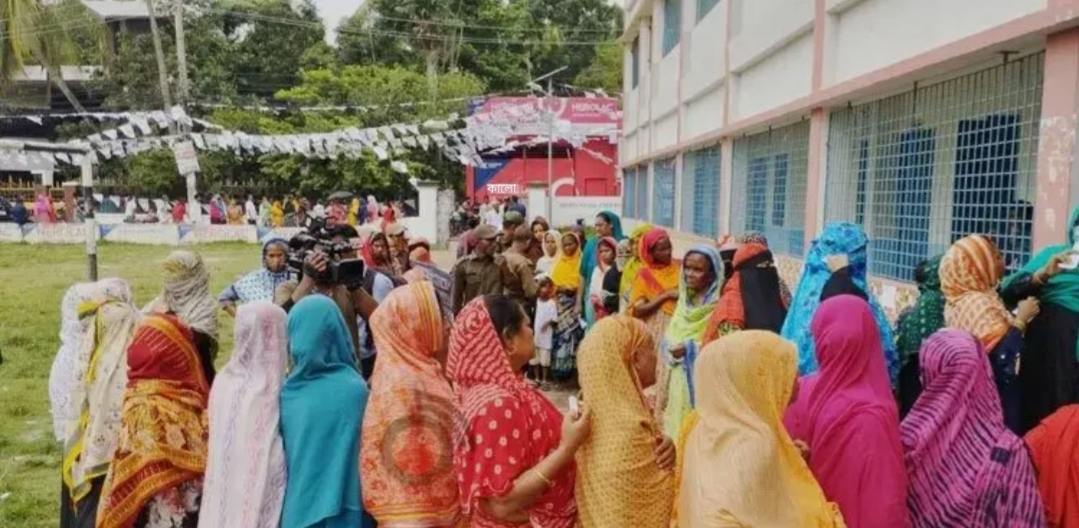
In Khulna-3 constituency, Rexona, wife of a Jute Mill worker, said her husband lost his job after shutting down of Khulishpur Jute Mill. "We are struggling. Now we hear promises of reopening the mills and getting a Family Card. That's why I'll go to the polling centre," she said.
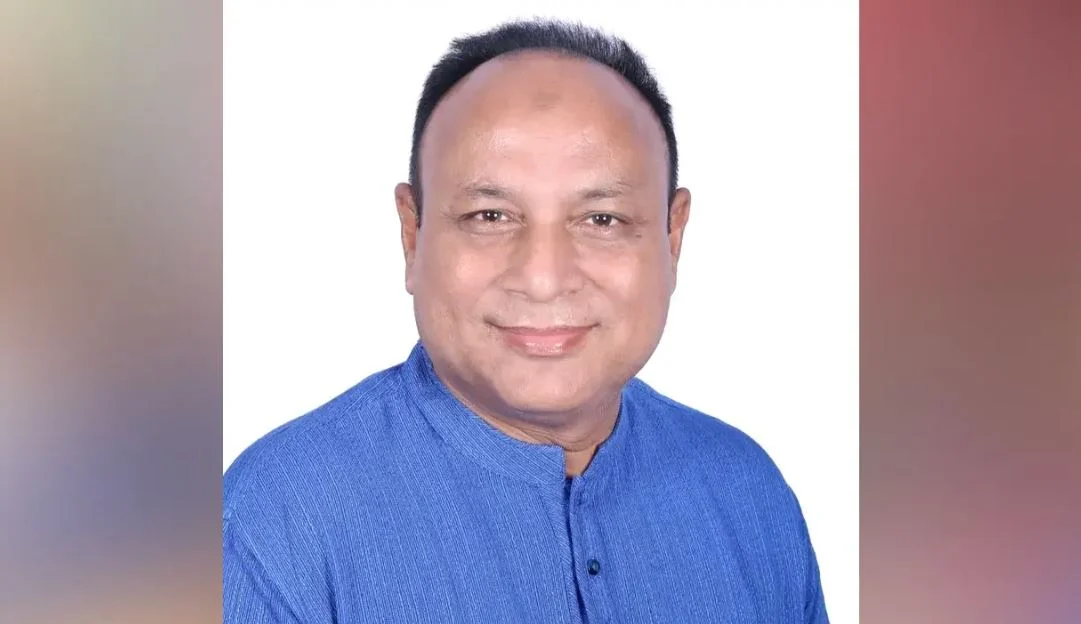
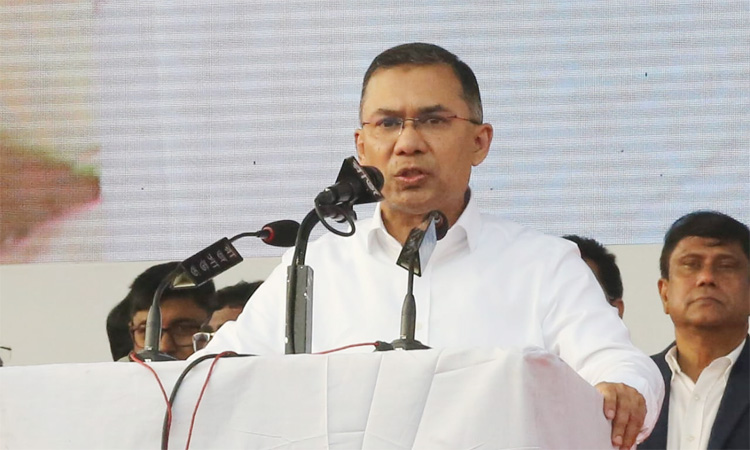
Talking to BSS, Former lawmaker of Khulna-2 Nazrul Islam Manju said party chairman Tarique Rahman has prioritised women's employment and dignity in the campaign. "Beyond the Family Card, emphasis has been placed on women's employment, education, health and agriculture. That is why women voters are leaning towards BNP," he claimed.
Only seven women candidates in Khulna's 36 seats:
A total of 201 candidates are contesting in 36 seats under Khulna division, of which, only seven are women -- representing an average of 5.58 percent.
In previous elections, including the 12th parliamentary polls, women's participation as candidates in Khulna's six seats hovered around 6.5 percent.
According to the Election Commission, BNP-nominated one woman candidate, while Jatiya Party nominated two, Gano Forum one, BASOD one and Bangladesh Republic Party (BRP) one and one woman are contesting as an independent candidate in the upcoming 13th Parliamentary Polls. No other registered parties have fielded women candidates.
Women candidates are contesting two seats in Jhenaidah, one in Jashore, one in Magura, one in Khulna, one in Narail and one in Kushtia. There are no women candidates in Bagerhat, Satkhira, Meherpur, Chuadanga or Narail districts.
In Khulna-5 (Dumuria-Phultala), Shamim Ara Parvin Yasmine of Jatiya Party is the sole woman candidate. Although she faces strong competition, her candidacy has drawn attention.
She said her priorities include tackling river erosion, revitalising agriculture and fisheries, improving communication infrastructure, and expanding access to education and healthcare, alongside women's empowerment and employment.
Women candidates and activists say that despite increased representation in local government, women remain underrepresented in parliament due to social barriers, lack of funding, political "bullying" and patriarchal attitudes. They warn that without changes in mindset and curbing the use of black money in elections, the situation may worsen.
Under the Representation of the People Order (RPO) 1972, political parties are required to ensure at least 33 percent women's representation in all committees. The original 2020 deadline was extended to 2030 after parties failed to meet the target.
Women leader and Khulna Women Chamber of Commerce President Advocate Shamima Sultana Shilu told BSS women now participate in education, jobs, business and even transport operations, but politics still lags behind.
"Most women in politics come through family connections. Grassroots women fall behind due to male-dominated attitudes and power structures. Without a change in mindset, RPO implementation will remain impossible," she added.