Thursday
20 August, 2026
News Flash
News Flash
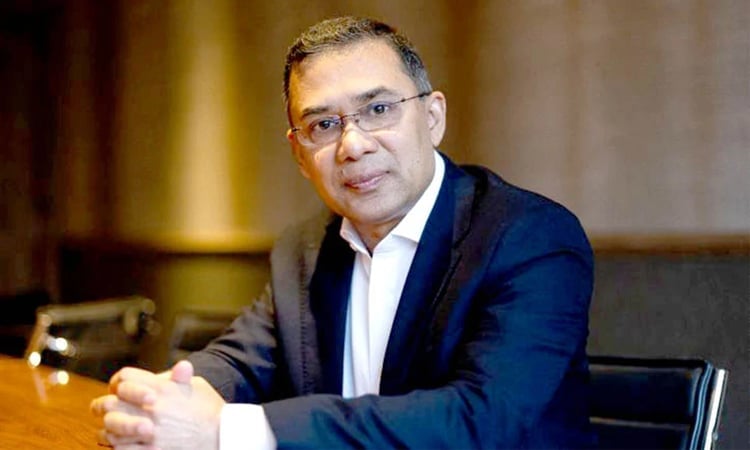
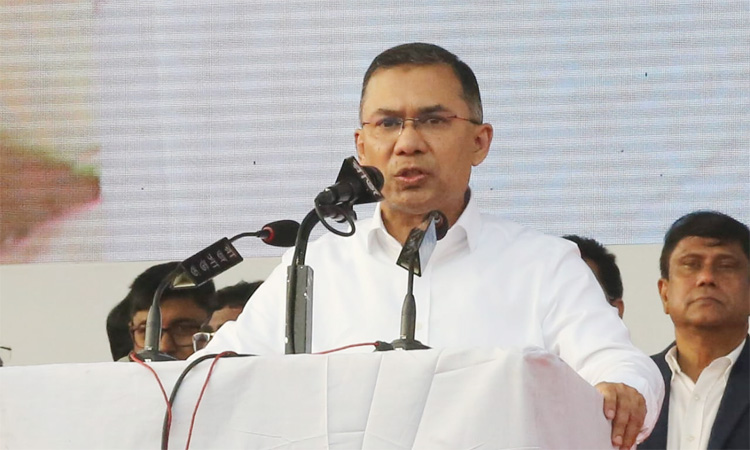
DHAKA, Feb 5, 2026 (BSS) - BNP Chairman Tarique Rahman will announce the party's election manifesto for the 13th Parliamentary National Election scheduled for February 12.
Party media cell member Shayrul Kabir Khan said BNP Chairman Tarique Rahman will announce this manifesto at 3:30pm tomorrow at the Ballroom of Hotel Sonargaon.
The event will be presided over by the party's Secretary General Mirza Fakhrul Islam Alamgir and conducted by Central Election Steering Committee Chairman and Standing Committee Member Nazrul Islam Khan.
Former Prime Minister Begum Khaleda Zia led the party in the 5th, 6th, 7th, 8th, and 9th parliamentary elections. During that time, each election manifesto was announced by her. Although the BNP-led Jatiya Oikya Front participated in the 11th election in 2018, the BNP Chairperson was imprisoned at that time. On December 18, 2018, the party's Secretary General Mirza Fakhrul Islam Alamgir announced the manifesto for the 11th parliamentary election at Lakeshore in Gulshan.
However, the BNP boycotted the 10th and 12th parliamentary elections held under fascist Sheikh Hasina.
Regarding the election manifesto, Central Election Steering Committee spokesperson Mahdi Amin said, “BNP is a party of the masses and a party for grassroots empowerment. Under the guidance of our Chairman Tarique Rahman, we have worked with people from all walks of life.”
He added, “Based on that public engagement, incorporating the opinions of people from all classes and professions through the party, its wings, and affiliated organizations, and with necessary additions, subtractions, and changes aligned with the demands of the time, BNP is bringing an election manifesto to solve the problems of the people and change their destiny.”
He further said, “We want to build a Bangladesh where people are truly empowered. Our manifesto at every stage focuses on people’s empowerment, state ownership by the people, protection of rights, security, and inclusive development — so that from now on, they and their families can live much better lives.”