Thursday
06 August, 2026
News Flash
News Flash
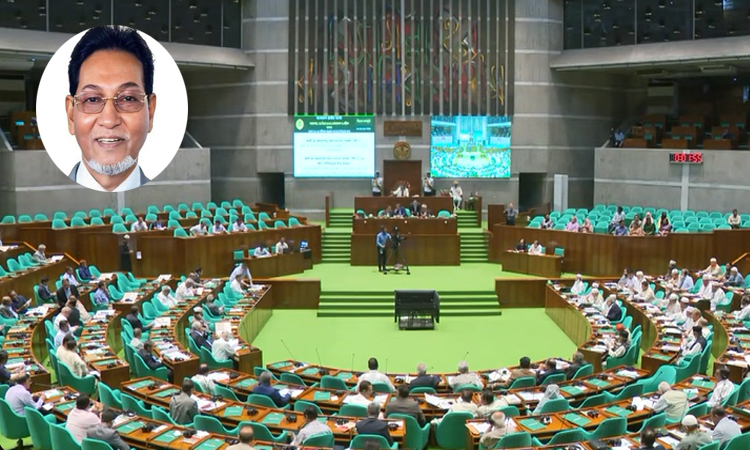
SANGSAD BHABAN, April 30, 2026 (BSS) - Chief Whip of the Jatiya Sangsad Md. Nurul Islam has stressed the need for the collective roles of all political parties to uphold national unity, ensures an effective Jatiya Sangsad, and thus safeguard democracy.
“We don’t want to perish; we want to survive together—we want to save the country and then live,” he said, underscoring that the present parliament must move forward with this guiding philosophy.
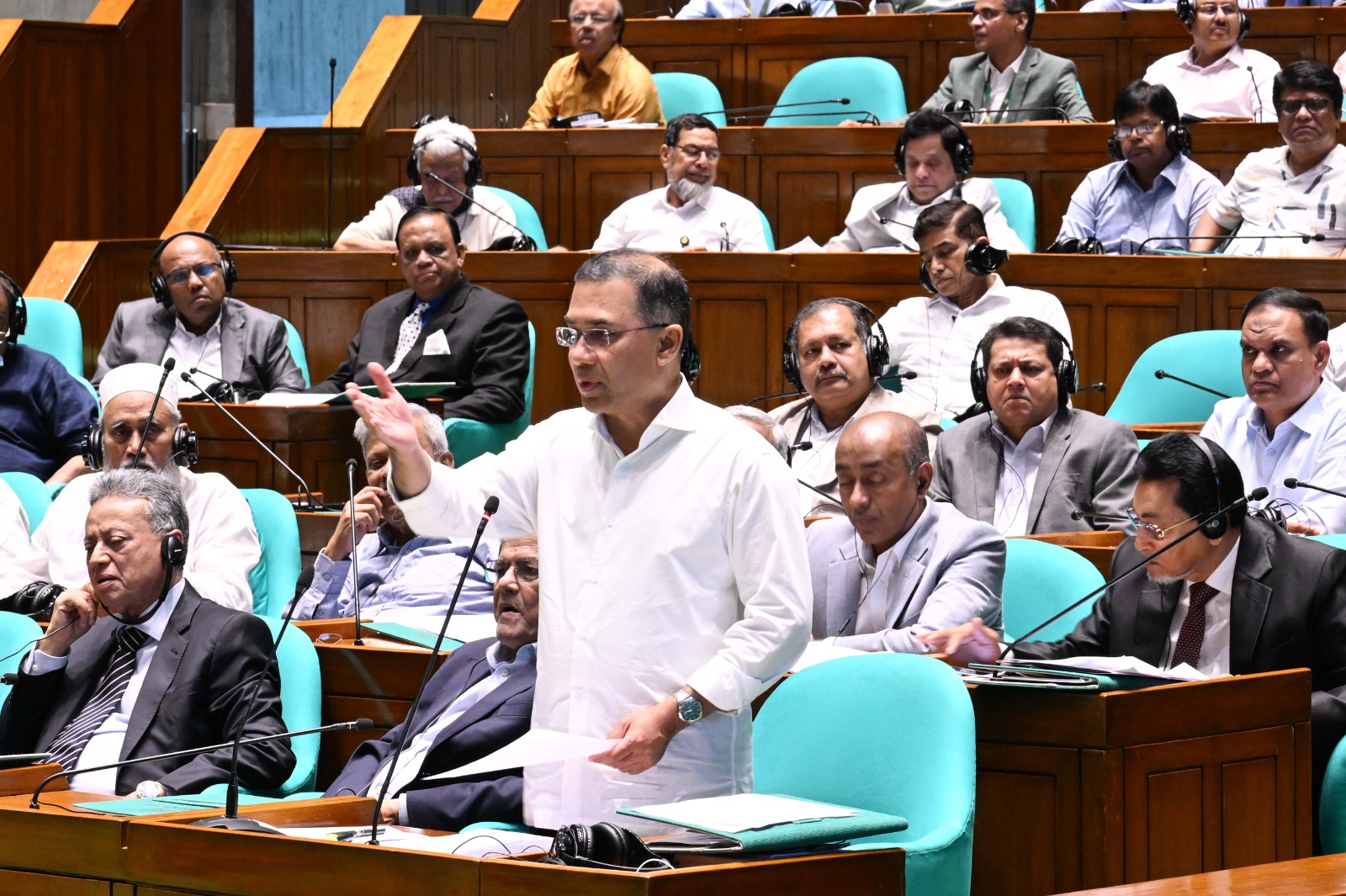
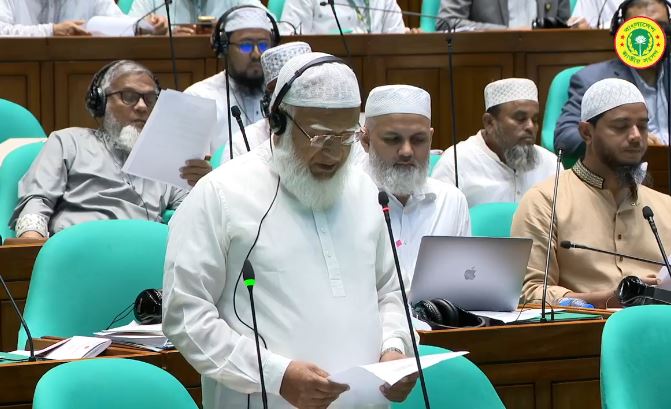
Nurul Islam made the remarks while taking part in the discussion on the thanks giving motion on the President’s speech at the morning sitting of the House today with Deputy Speaker Barrister Kayser Kamal in the chair.
The Chief Whip said many members of the current parliament have come through long experiences of political repression, cases, and persecution. Referring to the House as a “parliament of the oppressed,” he recalled the difficult times of the past.
He noted that Bangladesh has repeatedly moved forward through crisis, instability, and political divisions, overcoming periods marked by famine, absence of democracy, and authoritarian rule.
Referring to historical context, he said that before independence, people aspired to build a democratic, equitable, and self-reliant Bangladesh.
He noted the post-independence challenges—including repression, famine, and political crises—creating setbacks as well mentioned that the establishment of BAKSAL curtailed democratic structures.
The Chief Whip mentioned that later Shaheed President Ziaur Rahman tried wholeheartedly to rebuild the economy through production-oriented policies.
But, after his untimely death, instability resurfaced, but democratic movements regained momentum under the leadership of former Prime Minister and BNP Chairperson Begum Khaleda Zia, he added.
The Chief Whip said the country has again experienced repression, enforced disappearances, impunity, and political persecution during the fascist regime. However, he expressed optimism that a “new dawn” is emerging after overcoming repeated crisis and authoritarian phases.
In this context, Nurul Islam called upon all sides to rise above divisions and work together to shape the nation’s future.
Quoting BNP Chairman Tarique Rahman, he said unity is essential to build a “fascism-free, independent, sovereign, and humane Bangladesh,” regardless of political differences.
He also appreciated the role of the opposition, saying that lessons must be drawn from the past limitations to build a truly effective parliament.
Emphasizing functionality over mere vibrancy, he said, “If the parliament is not effective, being lively alone will not serve any purpose.” He urged that national issues be brought to parliament for rational solutions.
The Chief Whip further stressed the need to avoid political vengeance and divisive politics, and instead build consensus in the national interest. He cited the unified stance in parliament on energy and gas issues as a positive example that has created public confidence.
He said the government and lawmakers have decided to forgo personal benefits in the interest of the nation. “We won’t take plots or cars—this decision is not for personal gain, but for the sake of the country,” he added.
Regarding recent parliamentary proceedings, he noted that a large number of laws and ordinances had to be handled within a short time. “We have worked on 133 ordinances, which is a record,” he said, while acknowledging certain limitations due to the rush and expressing regret to opposition members.
Highlighting the need to strengthen the legislative process, he said future bills would be presented after thorough scrutiny.
In his speech, the Chief Whip also emphasized improving the living standards of rural people, workers, and low-income groups.
“Politics must be for the people—the farmers, labourers, and rickshaw pullers who struggle every day. Improving their lives is the true goal of democracy,” he said.
Nurul Islam concluded by urging all political parties to work together to advance democracy, saying, “In the interest of the country and its people, we must work together.”