Sunday
13 September, 2026
News Flash
News Flash
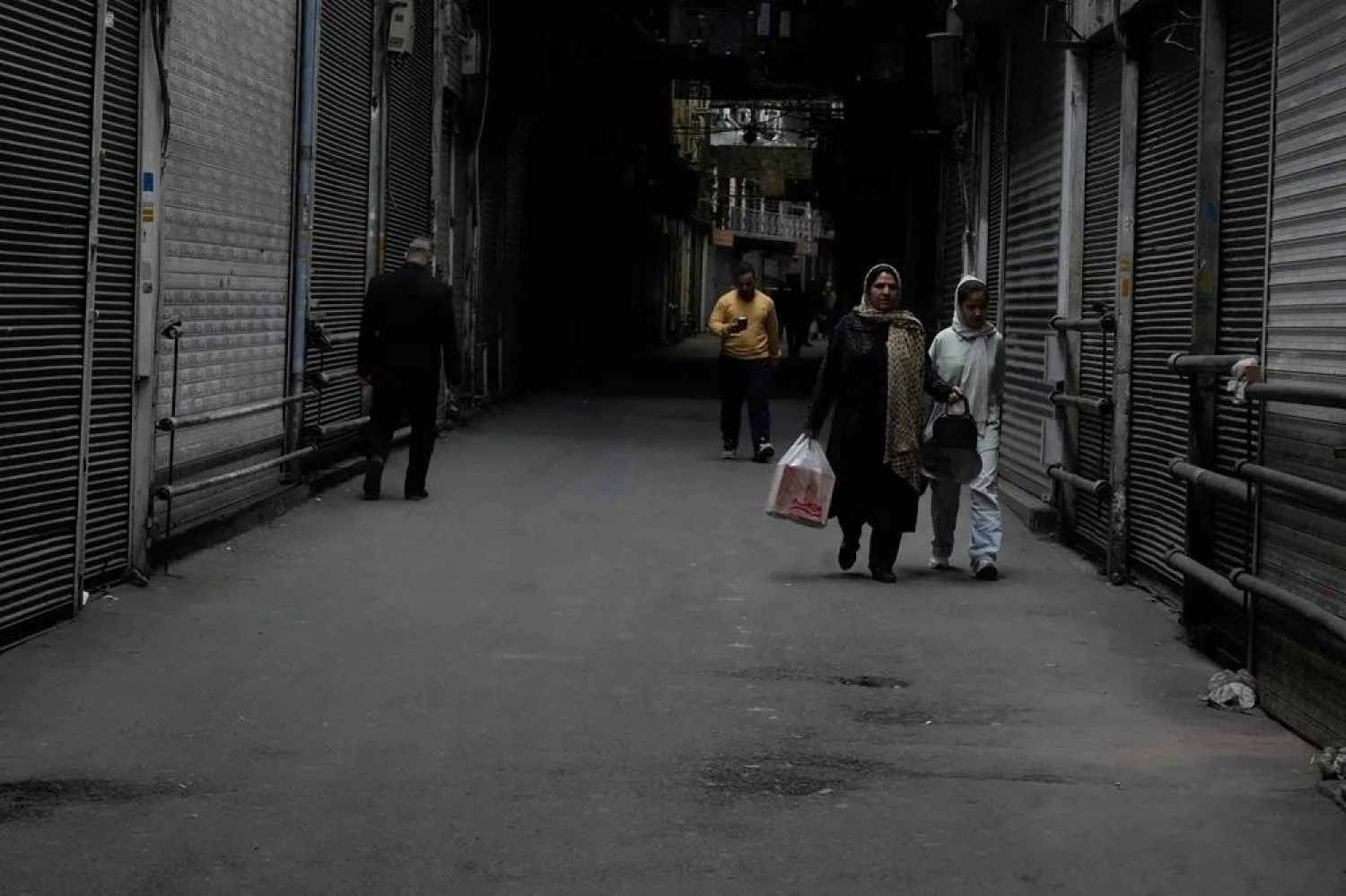
PARIS, France, March 29, 2026 (BSS/AFP) - Iran's nationwide internet blackout was on its 30th consecutive day Sunday, leaving millions cut off from information and communication since the war with the United States and Israel erupted.
"Iran's internet blackout has now entered day 30 as the nationwide censorship measure continues into its fifth week after 696 hours," internet monitoring group NetBlocks said on X on Sunday.
While the domestic intranet remains operational -- supporting local messaging apps, banking platforms and other services -- access to the global internet has been severely restricted.
Many Iranians have been left with little choice but to rely on state-controlled platforms and costly alternatives to stay in touch with loved ones.
Maryam, a 33-year-old private sector employee, said the first weeks of the shutdown were especially difficult.
"It was very hard at the beginning of the war. I had no connection with my family in another city except phone calls," she said.
"Now we use an Iranian messaging app and can make video calls. It's not great, but we are managing in these terrible times."
AFP journalists in Paris have been able to contact residents in Iran primarily via WhatsApp or Telegram during short bursts of connectivity, through virtual private networks.
For many, particularly those with loved ones outside Iran, communication has become both limited and expensive.
Milad, a 27-year-old clothes salesman, said he has struggled to stay in touch with relatives abroad.
"My family lives in Turkey, and I have no way of communicating with them online," he said.
"I have to make direct phone calls, which are very expensive, so I rarely hear from them."
Restrictions have also narrowed access to information, with users largely confined to domestic platforms and local media, offering only a partial picture of events.
Iran has previously imposed internet blackouts during periods of unrest, including for several weeks during nationwide protests in January and during a 12-day war with Israel in June.
Following the January unrest, access had partially resumed, though it remained heavily filtered and restricted, before being largely cut off again after the outbreak of the current war on February 28.
Some users have managed limited workarounds, though connectivity remains highly unstable.
Hanieh, a 31-year-old ceramist in Tehran, said she regained partial access after nearly two weeks.
"I managed to find a workaround with so much difficulty," she said, adding that the connection remained unreliable.