Monday
03 August, 2026
News Flash
News Flash
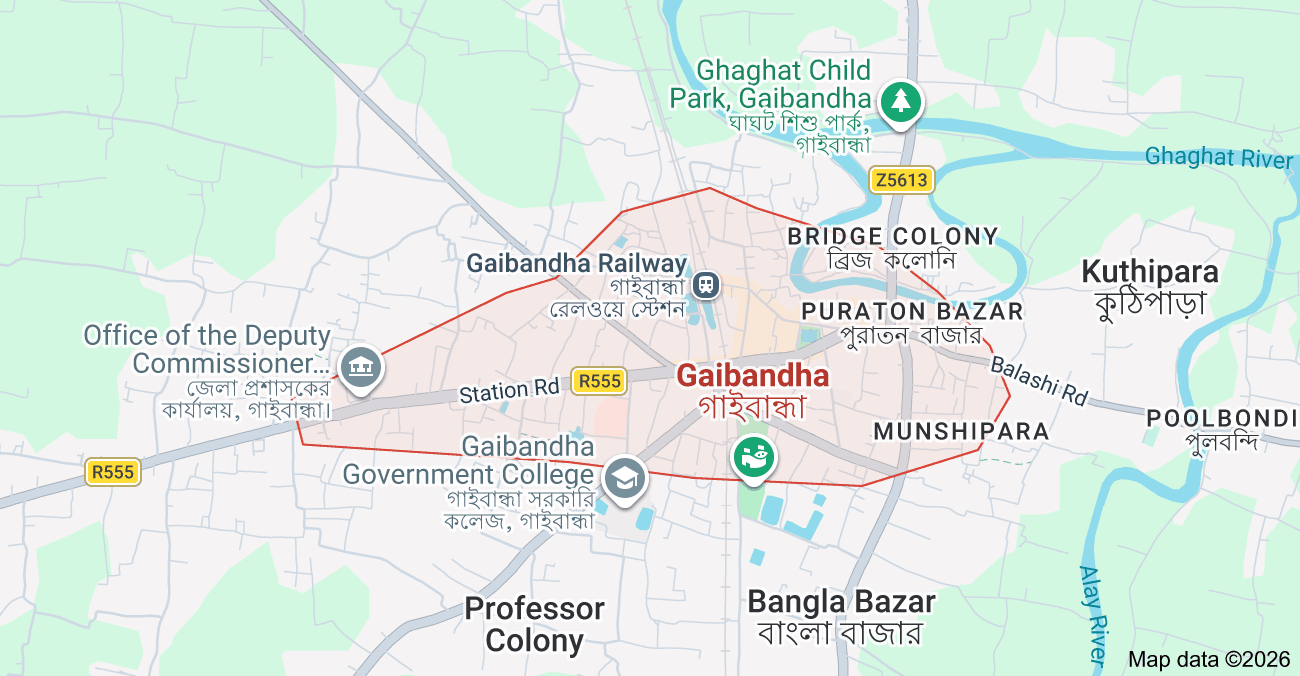
GAIBANDHA, July 9, 2026 (BSS) - Water levels in the Teesta, Karatoya and Brahmaputra rivers have risen in Gaibandha, while continued fluctuations over the past month have intensified riverbank erosion, washing away cropland and homesteads and leaving thousands of riverside residents at risk.
Local residents said river levels have been rising and falling intermittently for nearly 40 days, triggering erosion at several points.
Continuous rainfall over the past two days has also inundated low-lying areas, damaged earthen roads and affected seedbeds and standing crops.
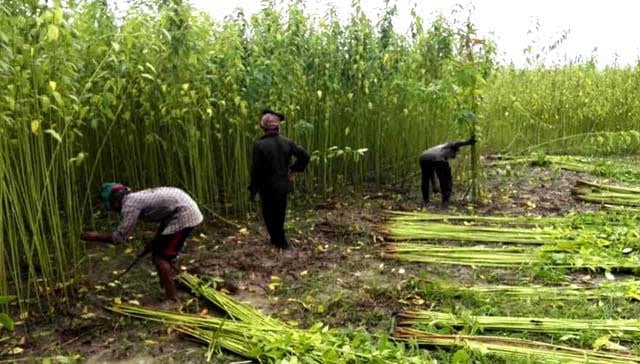
According to the Department of Agricultural Extension (DAE), flooding has damaged crops on about 118 hectares across the district's seven upazilas, including 45 hectares of Aus paddy, 30 hectares of jute, 25 hectares of sesame, eight hectares of Aman seedbeds and 10 hectares of vegetables.
Bangladesh Water Development Board (BWDB) data showed that, as of 3:00 pm today, the Teesta at Kaunia was flowing 48 centimetres below the danger level. The Brahmaputra at Teestamukh, the Ghaghat at Gaibandha town and the Karatoya at Gobindaganj also remained below the danger level. No river in the district has crossed the danger mark this flood season.
However, BWDB said erosion has continued at 26 points in Sundarganj, Gaibandha Sadar, Fulchhari and Saghata upazilas.
Hundreds of bighas of cropland and numerous homesteads have already been lost, while embankments, educational institutions and other infrastructure remain under threat.
Residents in the worst-affected areas said many families have lost their homes and farmland.
They urged the government to implement permanent river protection measures instead of providing only temporary relief.
Deputy Director of the Gaibandha DAE Md Atikul Islam said continuous rainfall and flooding had damaged vegetables, Aus paddy and other crops, adding that farmers were receiving field-level guidance to reduce losses.
BWDB Executive Engineer Md Shariful Islam said emergency geo-bags were being dumped to control erosion, contractors had been instructed to complete unfinished embankment works quickly, and initiatives were underway to identify vulnerable areas and undertake permanent river protection projects.