Monday
20 July, 2026
News Flash
News Flash
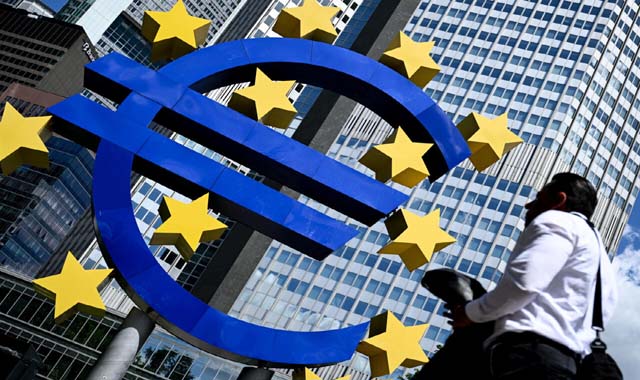
FRANKFURT, Germany, June 11, 2026 (BSS/AFP) - The European Central Bank is set to hike interest rates Thursday for the first time since 2023 as the Iran war fuels inflation, despite concerns the move could hit growth in the struggling eurozone.
It would make the ECB the first of the world's major central banks to lift borrowing costs in response to the energy shock unleashed by the US-Israeli war against Iran.
Eurozone inflation has been accelerating as key oil transit route the Strait of Hormuz remains largely closed, jumping to 3.2 percent in May, above the ECB's two-percent target.
UniCredit bank said in a note that an increase in the central bank's key deposit rate from 2.00 to 2.25 percent seemed like a "done deal".
"Several influential members of the (rate-setting) governing council have already flagged the move," it added.
While some smaller central banks have lifted rates in response to the energy shock, other major institutions -- including the US Federal Reserve and Bank of England -- have held off as they assess the fallout.
Both the Fed and BoE are due to hold meetings next week.
For the Frankfurt-based ECB, an increase Thursday would be the first since September 2023 when policymakers were battling runaway inflation sparked by Russia's invasion of Ukraine.
Following that, the central bank delivered a series of cuts as inflation eased, but has held rates steady since June last year.
Higher borrowing costs tend to dampen demand, helping to bring down inflation.
But a growing number of economists have spoken out against lifting rates.
They warn the move may do little to tackle inflation that has stemmed mainly from a shortage of energy supplies rather than strong consumer demand.
Higher borrowing costs would also weigh on the troubled 21-nation single currency area -- the eurozone economy contracted in the first quarter, dragged down by a slump in Ireland.
It would come at a time that hefty energy costs are already burdening households and businesses.
Berenberg bank economist Holger Schmieding argued that a hike "would be a mistake".
"The last thing the eurozone needs is a further headwind in the form of higher interest rates to exacerbate the Iran war damage," he said, noting that consumer confidence and business activity surveys had fallen sharply.
The ECB is set to release updated forecasts Thursday, and is expected to lift its inflation predictions and cut growth estimates again.
Despite concerns about a rate hike, ECB officials may be nervous about waiting too long, especially after facing criticism for moving too slowly to tame the inflation surge in 2022.
Most analysts however stress the economic backdrop now is different, inflation was already elevated before the outbreak of the Ukraine war, and the global economy was struggling with post-pandemic supply chain woes.
Investors will be watching ECB President Christine Lagarde's post rate-decision press conference closely for any clues about the path forward, although she is expected to stay tight-lipped.
Most don't expect Thursday's move to herald the start of an aggressive rate-hiking cycle.
Jack Allen-Reynolds, deputy chief eurozone economist at Capital Economics, said he thought that the ECB would likely deliver another hike at its next meeting in July, but stop there.
The knock-on effects "of higher energy prices on inflation should be limited, meaning that the ECB's tightening cycle will be short," he said.