Friday
21 August, 2026
News Flash
News Flash
By Md Aynal Haque
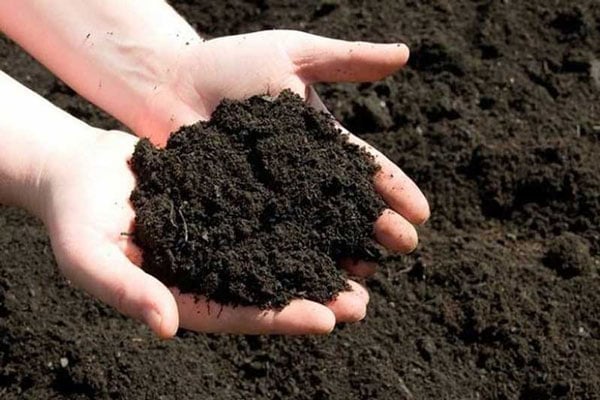
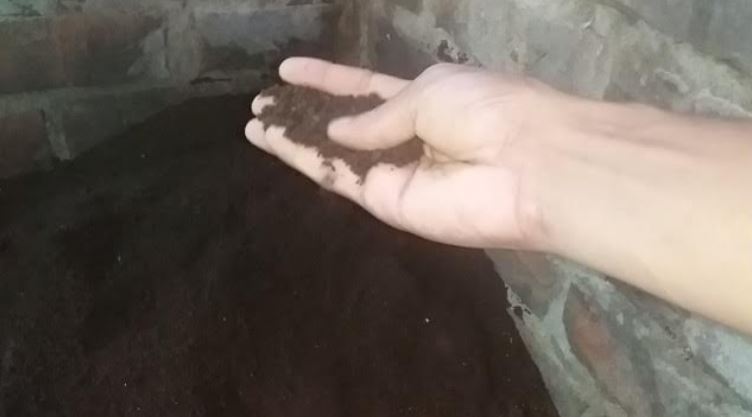
RAJSHAHI, April 9, 2026 (BSS): Production and use of vermicompost (earthworm compost) have increased significantly in the Rajshahi region, bringing notable changes to the agricultural sector.
This organic fertilizer is helping restore soil fertility, increase crop yields and reduce dependence on chemical fertilizers, enabling farmers to move towards safe, chemical-free crop production.
Dr Nurul Islam, Chief Scientific Officer of the Soil Resource Development Institute, said vermicompost plays a vital role in maintaining soil health and fertility, while restoring natural soil properties degraded by excessive chemical fertilizer use.
He said its application has led to increased production of Aman rice, vegetables and fruits, while reducing production costs. Farmers can cut chemical fertilizer use by up to 50 percent through vermicompost.
The use of vermicompost is also gaining popularity in the Barind region as a means of ensuring balanced crop nutrition and sustainable soil management.
Many people, particularly women, in Rajshahi and Barind areas are becoming self-reliant through the commercial production and marketing of vermicompost. The practice is also contributing to environmental protection by reducing harmful impacts of chemical fertilizers and promoting a sustainable farming system.
In Puthia upazila, excessive use of chemical fertilizers has led to declining soil fertility and rising production costs. As a result, farmers are increasingly turning to vermicompost as a cost-effective and sustainable alternative.
Farmers are now showing greater interest in organic fertilizers, reporting improved soil condition and satisfactory crop yields. Demand for organic fertilizers has risen sharply, with more than 200 entrepreneurs now engaged in production to meet the growing need.
According to the Upazila Agricultural Extension Department, over 200 entrepreneurs across one municipality and six union councils are producing vermicompost. Some are also producing tricho-compost using medicinal plants.
Of them, 150 are involved under the ASCP-2 project, while others produce independently after receiving training. Combined annual production stands at around 8,000 tonnes, with a market value exceeding Tk 120 million.
Sub-Assistant Agriculture Officer Golam Saklain said vermicompost is best produced in soil containers. Each container requires about 250 grams of earthworms and becomes usable within 20 to 25 days, producing up to 200 kilograms annually.
Farmer Harun-or-Rashid from Birladah area said that traditional livestock-based manure use has declined due to mechanisation, increasing reliance on chemical fertilizers and reducing soil fertility. He noted that farmers are now becoming more aware and shifting back to organic alternatives.
Ruma Parveen, a woman entrepreneur from Shibpur Hat, said she started vermicompost production three years ago with support from the local agriculture office. Alongside vermicompost, she also produces tricho-compost.
She said demand remains high, with compost selling at Tk 15 per kilogram, encouraging others to start similar ventures.
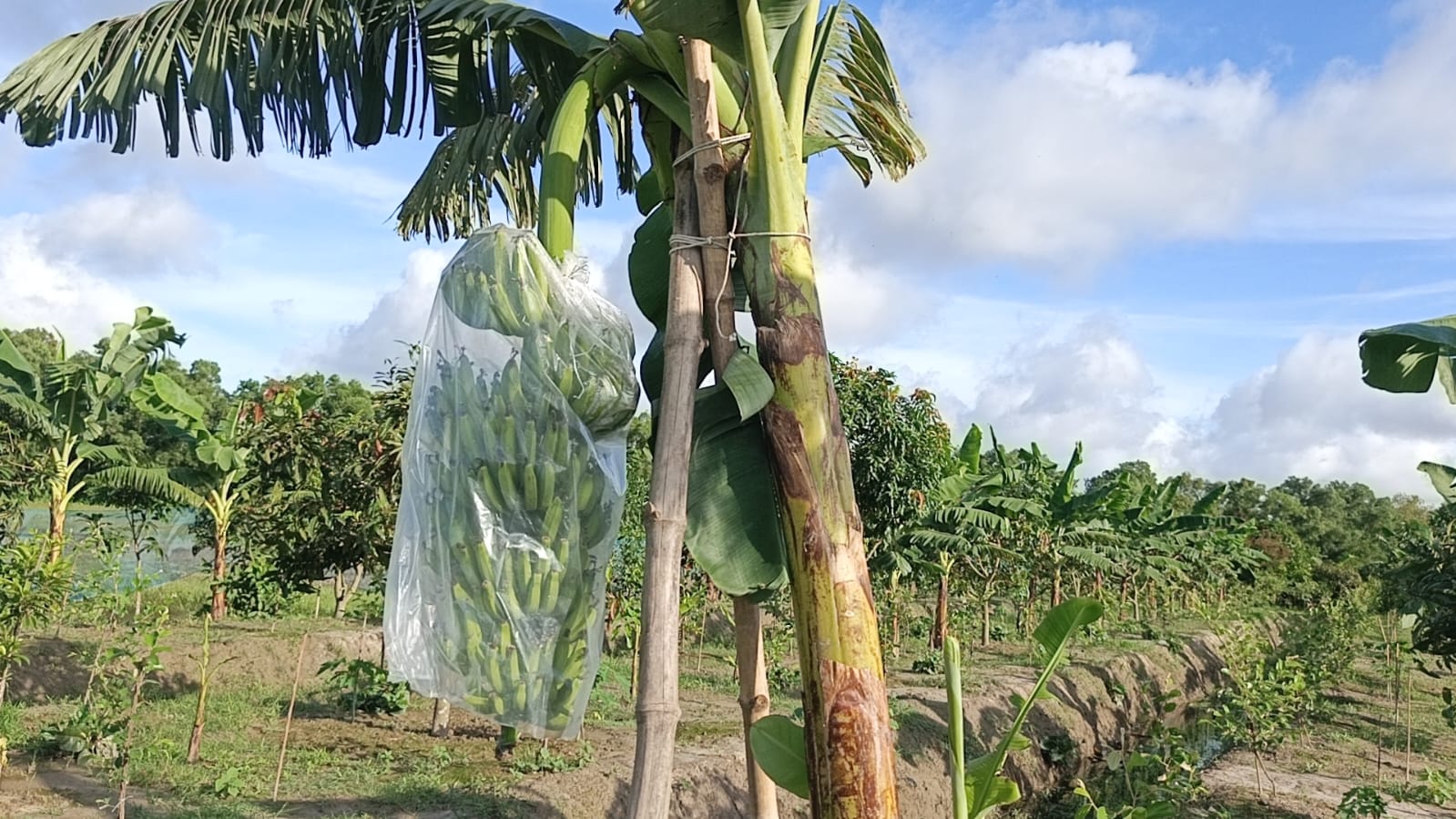
Entrepreneur Shahin Rakib Saral from Sarishabari village under Jiupura union said farmers cultivating mango, guava, banana, malta and dragon fruit are increasingly using organic fertilizers. Many place advance orders and collect vermicompost directly from farms, making the business profitable.
Upazila Agriculture Officer Smrity Rani Sarker said more than 200 entrepreneurs are now engaged in organic fertilizer production in the upazila, with growing demand attracting new participants.
She added that the agriculture office is providing training and support, while officials say vermicompost improves plant growth, helps control some pests and remains a safe, environmentally friendly option gaining popularity among farmers.