Thursday
26 March, 2026
News Flash
News Flash
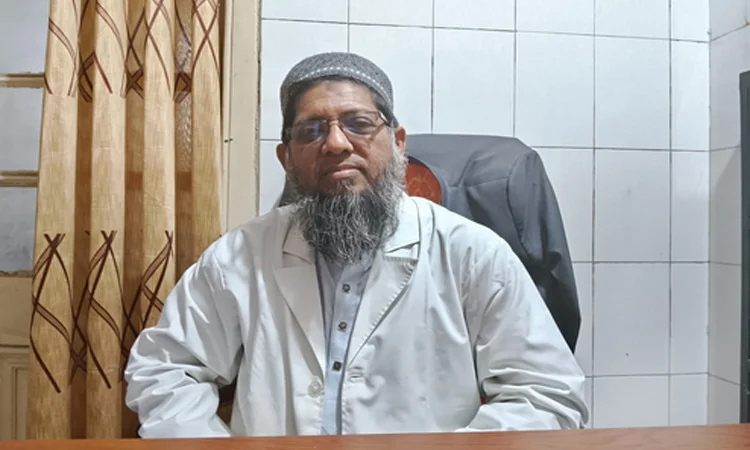
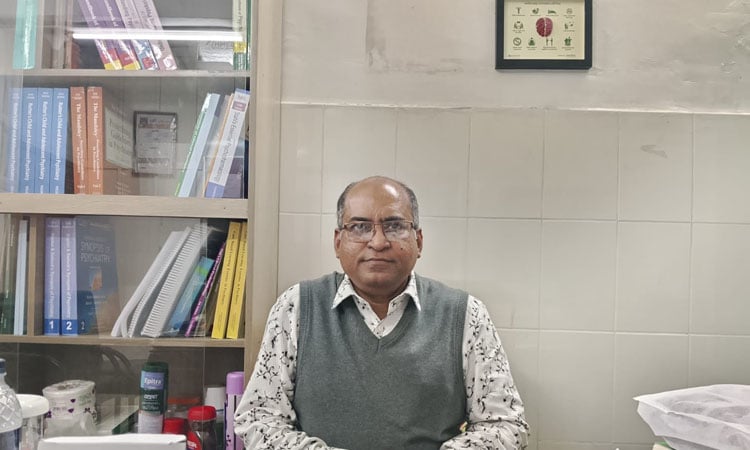
Borun Kumar Das and Abdur Rouf
DHAKA, Dec 3, 2025 (BSS) - With the advent of winter, noted physician Abdul Kadir urged the parents to remain in high alert about seasonal diarrhoea.
He advised avoid outside food to protect their children from diarrhoea during the winter as prevalence of various viruses and bacteria increase during this season.
Talking to BSS Dr Abdul Kadir, an associate professor of the Department of Paediatrics at Dhaka Medical College Hospital (DMCH) said, outside food carries a high risk of contamination during the winter which is very much harmful for children.
Instead, children can be given their preferred homemade foods prepared in a clean and hygienic way, he said.
“Provide children with soft and easily digestible homemade foods such as rice, banana, peeled apple, oats and so on. Cook all food well and ensure it is served at a suitable temperature. In addition, both children and caregivers must practice regular hand washing,” he said.
Dr Kadir said it is not that all diseases suddenly increase only in winter. Primarily, during the onset and end of winter-when the weather changes- children may fall sick more often.
During this time, ‘acute bronchitis’ becomes prevalent. It is a viral disease that looks somewhat like pneumonia.
At that time children experience severe breathing difficulties, may require oxygen, nebulisation. And if they are unable to eat, saline or fluids may be needed.
He said the children with cold sensitivity also experience increased asthma symptoms. In adults it is called asthma, but in children under two years old, we call it ‘wheezy child.’ As the cold season begins, breathing problems in such children increase.
Dr Kadir said now waterborne diarrhoea from contaminated water has gone down. But rotavirus and seasonal variations lead to increase the prevalence of diarrhoea in our country which are spread from street food.
He also laid importance on keeping the children in a hygiene atmosphere saying it may keep the children safe who are used to put their hands or other objects in their mouths. Proper care can keep children relatively healthy,” he said.
Dr. Kadir also expressed deep concern over the unusual prevalence of dengue this winter. “Typically, dengue decreases after the monsoon. But this year, even as winter has arrived, there is no sign of decline. Dengue cases are still rising at the same rate as it was in the beginning of the monsoon.”
About the bronchiolitis among children during winter, he said, it occurs due to seasonal variation. There is no specific way to prevent it. But being cautious can help prevent the risk.
He said, many parents make mistakes with children’s clothing during weather changes. In the evenings, they put the children on excess winter clothes to protect them from minor cold, causing them to sweat and expose further to cold. Some other parents use fans during warm afternoons, which small children also cannot tolerate.”
He advised for the suitable attire of the children according to temperature and using fans only when necessary.
Dr Kadir also advised for regular bathing of a children saying many parents have misconceptions about bathing. Some bathe children regularly, while others reduce bathing out of fear of catching cold.
Regular bathing is healthier for children. But in that case water should be used at a comfortable, tolerable temperature. Very hot water can cause sweating, which may lead to colds.”
Dr Kadir said DMCH is always crowded with patients throughout the year. But the current situation is beyond description as flow of children with pneumonia and diarrhoea along with dengue patients has aggravated the situation.
“On an average six children are being treated in a single bed in the DMCH now. Increasing hospital beds is very crucial to provide proper medical care,” he said.
Citing the example of Ward 210, he said, “For the past four months, this ward with only 14 beds has had more than six patients per bed. Two on the bed, two on the floor between beds, and two more in front of the bed. There is hardly any space left. Despite this inhumane situation, doctors are trying their best to provide services, but not being able to offer even minimum space for patients to sit or lie down is extremely painful for us.”
He said people from all over the country rush to DMCH with any complication. Even though there are three more government medical colleges in Dhaka, patients consider DMCH as their only dependable option. District doctors also refer them to DMCH. As a result, people know little about other hospitals.”
He gave the example of Mugda Medical College Hospital, saying, it’s a very good government hospital. The quality of service is similar to DMCH. But due to lack of publicity and awareness, patients scantly go there.
Mitford Hospital in Old Dhaka and Shaheed Suhrawardy Medical College Hospital in Sher-e-Bangla Nagar also provide good services. If patients go to these hospitals, they would receive comfortable treatment, and the inhumane pressure on DMCH would be reduced, he noted.
Dr Kadir said given the realities of our country, DMCH is providing maximum service within its capacity. However, more bed would help medical practitioners to provide better services to the patients, he said.