Tuesday
11 August, 2026
News Flash
News Flash
By Tapasi Rabeya Akhi
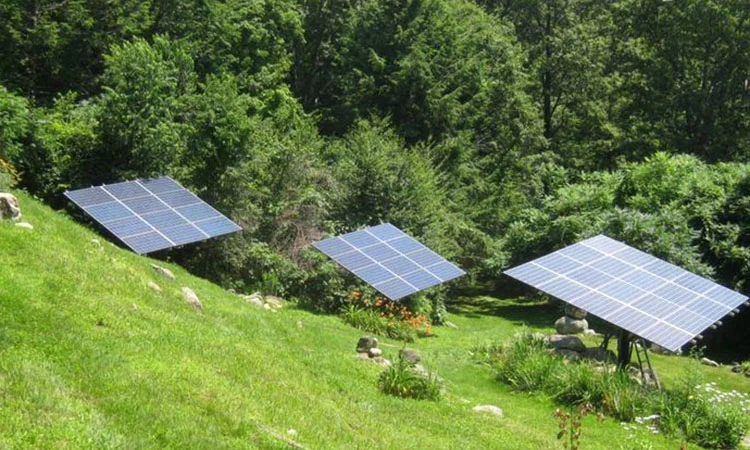
DHAKA, Aug 11, 2026 (BSS) - The government has planned to install solar panels at 300 primary schools located in the remote areas of hilly Rangamati district aiming to ensure smooth power supply there.
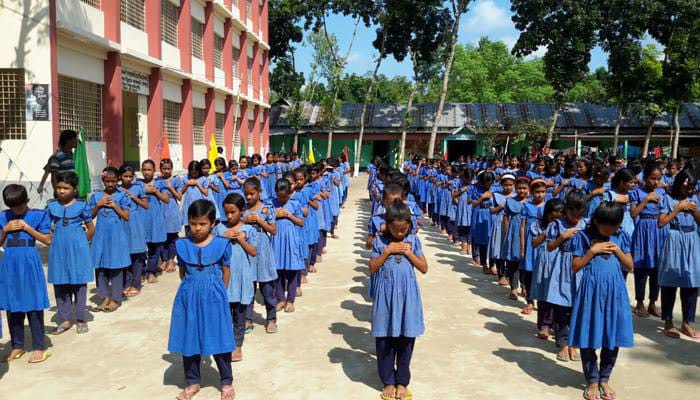
There are 389 schools having no power connection in 10 upazilas of Rangamati district, of which about 300 schools are located in extremely remote areas.
If there are electricity connections to these schools, quality education can be ensured in the schools. In such a reality, the government has planned to ensure electricity by installing solar panels in these primary schools, official sources said.
Officials of the Renewable Energy Wing at the Ministry of Power, Energy and Mineral Resources told BSS that the government is considering installing solar panels in these extremely remote schools in Rangamati.
Earlier, the Rangamati Deputy Commissioner at the District Commissioners' Conference this year proposed installing solar panels in primary schools. The Power Division agreed to work on the matter.
The Power Division officials said the implementation of this plan is being considered in the next five years. However, the district administration will first prepare a list of schools and submit it to the Power Division.
After the projects are passed by the Cabinet Division, the government will work by scrutinising their financial capacity. The district administration will supervise these works at the field level. These projects have not yet been included in the development project proposal (DPP), according to the officials.
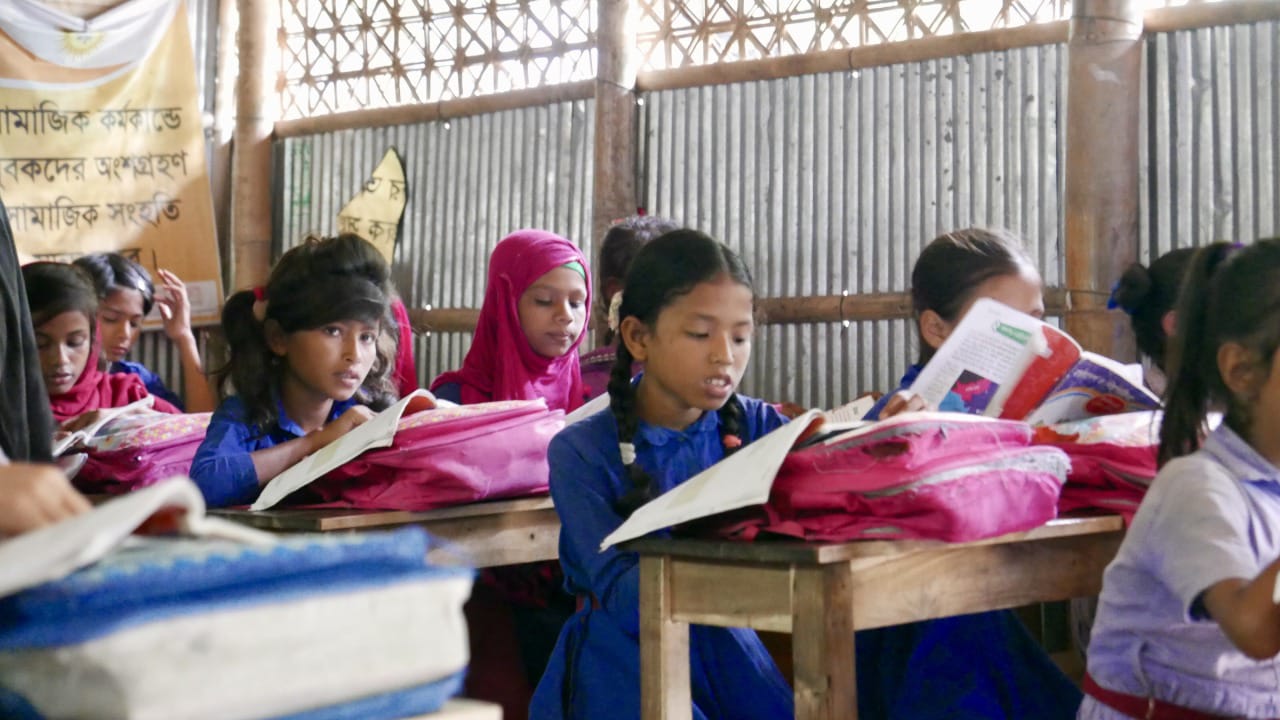
District administration and Power Division officials argued this proposal, saying that if students in these schools get electricity connection, they will get the opportunity to use multimedia classrooms and digital information technology.
Most of the families of students studying in these educational institutions in remote areas live below the poverty line. If they get electricity connection, they will be able to move forward in line with the leading schools in the country.
According to the Chittagong Hill Tracts Affairs Ministry, currently 550 schools in Bandarban, Khagrachhari and Rangamati have TV and multimedia connections. Some 149 schools are involved in the e-learning process.
Chittagong Hill Tracts Affairs Secretary Mohammed Mizanur Rahman said the government is working to ensure 100 percent power supply in the CHT region.
A proposal has been recorded as an unapproved or unallocated project in the government's Annual Development Program (ADP) to provide electricity to remote hilly areas through the installation of solar panels, he said.
"The newly proposed project is called Green Leaf Project. This is the in-principle approval or preliminary list of future work, which will later be included in the main programme or DPP if approved," he said.
Mizanur Rahman said if the project is included in the DPP, then the project work will start in the long term - a period of 5 years. It will start in 2026 and end in 2031, he added.
Officials of the Ministry of Chittagong Hill Tracts Affairs said due to the lack of uninterrupted power connection in the remote areas of the three hilly districts, the quality education environment is not being accelerated and agricultural production is being hampered.
At the same time, this region is lagging behind in contributing to socioeconomic development. As a result, the work on the project can be started anew.
In May this year, a proposal was made to install solar panels in 300 primary schools in the remote hills of Rangamati. Later, a letter was sent from the Cabinet Division to all the concerned ministries to consider whether the project implementation is realistic.
Informing about the progress of the work, the Power Division expressed its opinion in favour of installing solar panels by taking up the project on a long-term basis.