Tuesday
16 June, 2026
News Flash
News Flash
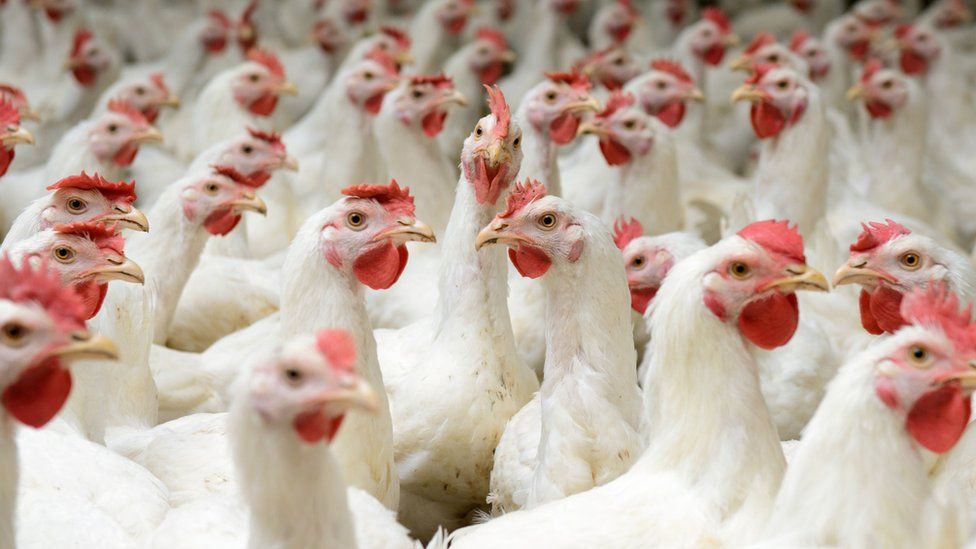
DHAKA, June 16, 2026 (BSS) - The government has introduced the National Poultry Development Policy-26 with the aim of making country’s poultry sector more modern, safe, environmentally sustainable and export-oriented.
The policy, formulated by the Ministry of Fisheries and Livestock, provides detailed guidelines for increasing poultry production, controlling its diseases, improving market management, ensuring quality standards, expanding research and developing an export-focused poultry industry.
A key provision of the new policy stated that no commercial poultry farm will be allowed to operate without registration from the Department of Livestock Services (DLS). Farms must also comply with bio-security requirements and maintain the prescribed distances from the educational institutions, residential houses and populated areas.
The new policy was published on June 14, replacing and updating the previous policy adopted in 2008 after an 18-year gap.
According to the policy, the poultry sector is currently one of the country's major sources of animal protein. In addition to contributing to the food security through egg and meat production, the industry directly and indirectly provides employment opportunities for approximately six million people. The sector is also playing an important role in strengthening the rural economy, particularly through increased participation of women.
The policy aims to meet the growing demand for animal protein, increase the production of safe and quality eggs and poultry meat, stabilize market prices, ensure fair returns for farmers and develop of an internationally competitive poultry export industry.
Special emphasis has been placed on the development of climate-resilient poultry breeds, conservation of indigenous genetic resources and the adoption of modern technology-driven production systems.
To increase the production, the government plans to expand the output of eggs, poultry meat and other poultry products. Measures will also be taken to achieve self-sufficiency in poultry feed production, eliminate harmful feed ingredients, develop improved breeds and conserve local poultry varieties.
The policy highlights the need for greater participation of women in the poultry farming and proposes special programmes to encourage their involvement.
In the area of animal health, the policy emphasized the production and supply of quality vaccines and medicines, expansion of disease diagnosis and treatment services at the local level and the establishment of modern disease surveillance systems. It also calls for the detection of emerging and re-emerging poultry diseases.
To promote responsible poultry production, the policy discourages excessive use of antibiotics in poultry feed and provides for the publication of lists of restricted and prohibited antibiotics. The use of probiotics and prebiotics as alternatives to antibiotics will be encouraged.
Employment generation and entrepreneurship development have been identified as key priorities. Landless people, marginal farmers, educated youth and women will be encouraged to establish poultry farms.
The policy further stresses environment friendly farming practices, improved waste management, bio-security measures and the adoption of modern technologies. It encouraged the investment in smart farms based on automation and Internet of Things (IoT) technologies.
In the field of research and innovation, both public and private sector research activities will be strengthened. The policy also promotes the establishment of poultry meat and egg processing industries, poultry by-product recycling industries and value-added production facilities.
To improve the market management, coordinated initiatives involving stakeholders will be undertaken to stabilize egg and meat prices. Plans include the expansion of cold storage and preservation facilities, development of cooperative-based marketing systems, promotion of value-added products and diversification of export markets.
The policy also calls for stronger market monitoring to prevent unreasonable price increases at the consumer level and reduce the influence of middlemen in the supply chain.
Strict quality control measures will be enforced for poultry chicks, feed, vaccines and medicines. Existing laws and regulations related to animal and public health protection will be implemented more rigorously.
To ensure effective governance and implementation, several committees are proposed under the policy, including a National Poultry Development Policy Implementation Committee, a Technical Committee, a Poultry Product Quality Control and Antimicrobial Resistance Monitoring Committee, an Import Monitoring Committee for poultry chicks and feed, and district-level committees responsible for approving commercial poultry farms.
The policy also seeks to protect the interests of local farmers and entrepreneurs. Domestic production will be given priority over imports whenever possible, although foreign investment may be encouraged where technological or investment gaps exist. Strict quality control and quarantine measures will apply to the import of poultry chicks, feed, vaccines and medicines.
Stakeholders believe that effective implementation of the policy will help to transform country’s poultry industry into a more organized, competitive and export-oriented sector while strengthening food security, farmer protection, employment generation and the supply of animal protein nationwide.