Tuesday
08 September, 2026
News Flash
News Flash
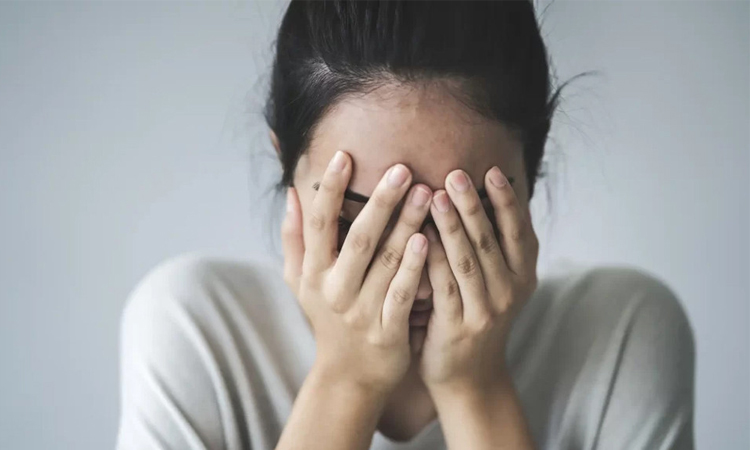
DHAKA, May 23, 2026 (BSS) - Doctors and mental health experts are expressing growing concern over an increasing number of adolescent girls in Bangladesh suffering from hormonal imbalance-related complications, with many cases remaining untreated due to lack of awareness, social stigma, and limited access to specialized healthcare.
Health specialists said symptoms such as irregular menstruation, insomnia, digestive disorders, anxiety, excessive facial hair, and emotional instability are becoming increasingly common among teenage girls during puberty, a stage marked by rapid hormonal changes.
Fifteen-year-old Shilpi Chaki, a SSC student from Kushtia, is facing the struggle. The secondary school student has been suffering from chronic constipation, severe acidity, sleeplessness, and unusual hair growth on her chin for several months. Alongside the physical symptoms, she constantly experiences negative thoughts and over-thinking even ordinary situations.
“She worries about very small matters and often cannot sleep at night,” a family member said. “Initially, we thought it was only academic stress, but gradually her physical condition also deteriorated.”
Another similar case is that of Ishrat Sharmin, a 14-year-old class nine student from Tangail, who has also been experiencing persistent acidity, sleep disturbances, emotional stress, and anxiety-related over-thinking.
“She keeps everything inside and becomes anxious very easily,” her mother said. “Even simple school-related matters make her mentally disturbed, and she often complains about stomach discomfort and fatigue.”
According to endocrinologist Dr. Sankar Barua, hormonal imbalance occurs when there is too much or too little of one or more hormones in the bloodstream.
“Hormones are chemical messengers produced by glands such as the thyroid, ovaries, and adrenal glands. They regulate metabolism, growth, mood, reproduction, and the menstrual cycle,” he said. “Even small hormonal changes can significantly affect the body and mind, especially during puberty.”
Dr. Barua, a member of American Association of Clinical Endocrinology, explained that adolescent girls, defined by the World Health Organization as those aged between 10 and 19 years, undergo major hormonal fluctuations during puberty that can trigger both physical and psychological symptoms.
He said common symptoms of hormonal imbalance in teenage girls include irregular or painful periods, acne, unexplained weight gain, fatigue, mood swings, anxiety, depression, insomnia, excessive facial or body hair growth, and concentration problems.
“Many of these symptoms overlap with normal puberty, but persistent or severe symptoms require medical evaluation,” he added.
Dr. Barua, also an assistant professor of endocrinology and diabetology at Cox’s Bazar Medical College, noted that excessive hair growth on the face, particularly on the chin, may indicate elevated androgen levels and could be associated with Polycystic Ovary Syndrome (PCOS), one of the most common hormonal disorders affecting adolescent girls and women of reproductive age.
“PCOS often leads to irregular periods, acne, weight gain, and emotional stress. Early diagnosis and lifestyle management are important to reduce long-term health risks,” he said.
The endocrinologist also highlighted the impact of stress and poor lifestyle habits on hormonal health among teenagers.
“Chronic stress raises cortisol levels, which can disrupt reproductive hormones and worsen anxiety, sleep disorders, and menstrual irregularities,” he said. “At the same time, unhealthy diets, processed foods, nutritional deficiencies, and lack of sleep further aggravate hormonal imbalance.”
According to him, nutrition plays a crucial role in maintaining hormonal stability. Balanced diets rich in proteins, fiber, healthy fats, vitamins, and minerals support hormone production and menstrual health, while excessive sugar and unhealthy processed foods can worsen symptoms.
He also warned that sleep deprivation among teenagers is increasingly contributing to hormonal disturbances.
“Lack of sleep disrupts hormone rhythms, increases stress hormones, affects appetite regulation, and worsens mood and menstrual health,” Dr. Barua said, recommending at least seven to eight hours of consistent sleep for adolescents.
Mental health experts say many girls silently suffer from emotional stress because menstruation and hormonal health are still considered sensitive topics in many families.
“Menstrual health education is extremely important,” Dr. Barua said. “It helps girls understand normal and abnormal changes in their bodies, reduces stigma, and encourages early medical consultation.”
Doctors recommend that parents seek professional medical advice if symptoms persist. Treatment may include lifestyle changes, stress management, balanced nutrition, exercise, hormonal therapy, or management of underlying conditions such as PCOS.
“Every patient’s management is highly individualized,” Dr. Barua added. “Teenagers should avoid self-treatment and consult qualified healthcare professionals for proper diagnosis and care.”
As awareness about adolescent hormonal and mental health slowly grows in Bangladesh, physicians and educators are urging families and schools to pay closer attention to teenage girls experiencing persistent physical and emotional symptoms, rather than dismissing them as normal teenage behavior.