Tuesday
08 September, 2026
News Flash
News Flash
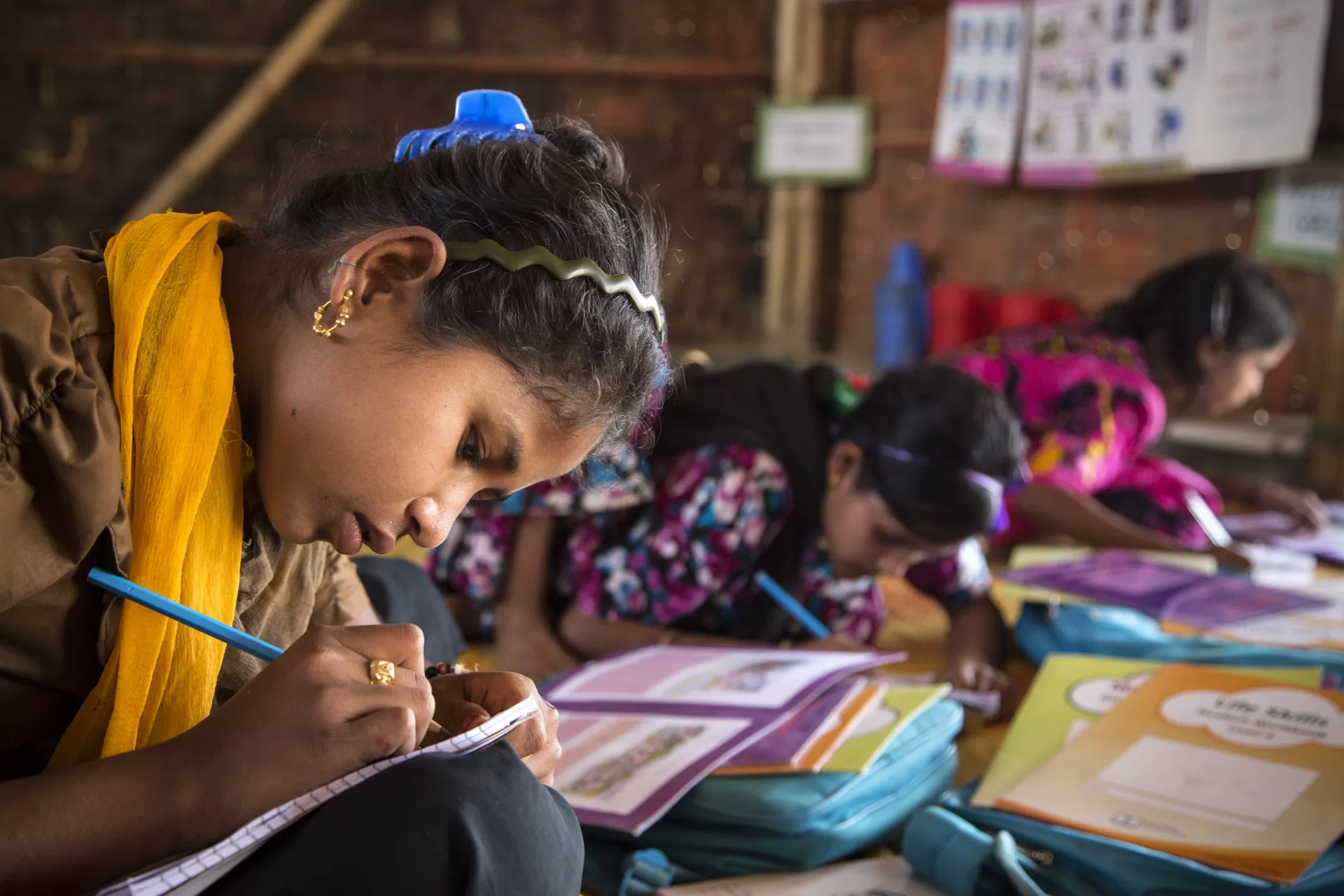
DHAKA, April 30, 2026 (BSS) - Despite notable progress in expanding access to education, a significant number of children from low-income working women across Bangladesh still remains outside the school system, trapped in a cycle of poverty, limited awareness and structural barriers that demand urgent national attention.
In the tea gardens of Sylhet—particularly in Sreemangal—this reality is striking. During visits to several tea estates, young children were seen wandering around plantations while their mothers used to work. Some played idly, while others tried to assist in plucking tea leaves. Most of these children are of school-going age, yet many have never been enrolled.
Tea workers, the majority of whom are women, cite poverty and practical challenges as key reasons. One worker explained that taking children to and from school is difficult, as missing work means losing income. Many are also unaware of government programmes that support education for disadvantaged children.
The problem extends far beyond tea estates. Similar patterns are visible in northern districts, rice mills and informal workplaces across the country. In areas like Brahmanbaria, children are often found accompanying their mothers to work instead of attending school, gradually becoming part of the same labour cycle.
Experts say this is not an isolated issue but a nationwide concern. Poverty, lack of awareness and social perceptions combine to keep children out of classrooms. In some families, there is a belief that education may distance children from manual work, reducing their future contribution to household income. Education is also widely perceived as expensive, despite various public initiatives.
This mindset, coupled with financial hardship, leads many families to involve children in income-generating activities from an early age. However, the long-term cost is significant. Without education, these children are likely to remain in low-skilled jobs, perpetuating intergenerational poverty.
Bangladesh has made strong commitments toward universal education, yet children of working mothers—particularly in low-income sectors—remain largely overlooked. If this gap persists, it could undermine national development goals and efforts to build a skilled workforce.
Currently, nearly 10 million women in the country are engaged in formal employment directly or indirectly, many in sectors such as ready-made garments, agriculture and small industries. While their participation in the workforce is rising, support systems for their children have not kept pace.
Experts said one practical solution gaining attention is the establishment of workplace-based daycare centres. Such facilities could provide a safe environment where children receive basic care and early education while their mothers work. This would not only improve children’s access to learning but also enhance productivity, as mothers would be able to focus on their jobs.
Although some employers view daycare facilities as an added expense, experts argue they should be treated as long-term investments. Many organisations already allocate funds under Corporate Social Responsibility (CSR), which could be directed toward such initiatives. Government incentives and partnerships with non-governmental organisations could further accelerate implementation.
In industrial zones, shared daycare centres among multiple employers could offer a cost-effective model. Alongside basic education, these centres could also introduce vocational and life skills training to prepare children for the future.
As Bangladesh advances toward middle-income status, building an educated population remains essential. Ensuring that children of working women are not left behind is critical to achieving inclusive growth.
With the number of working women expected to increase, addressing this issue can no longer be delayed. Coordinated efforts from government, employers and civil society are needed to ensure that every child—regardless of background—has access to education and the opportunity for a better future.