Wednesday
02 September, 2026
News Flash
News Flash
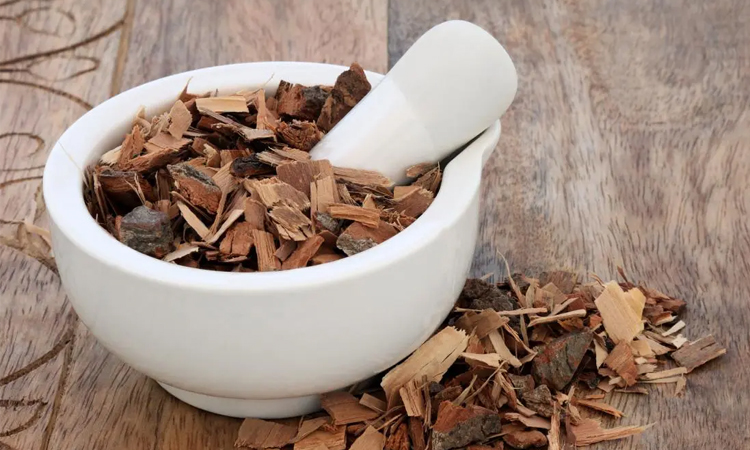
DHAKA, April 23 (BSS)- Doctors are raising concerns over the growing use of herbal medicines for prostate enlargement, warning that such remedies may carry significant health risk despite claimed and perceived to be harmless.
Herbal treatments such as saw palmetto are commonly used to relieve symptoms of benign prostatic enlargement (BPE). However, medical experts cautioned that their mechanisms of action remain unclear and their full range of side effects is not well understood.
“The notion that herbal medicines are inherently safe is misleading,” said Dr Imtiaz Enayetullah, an urologist and andrologist.
“Herbal medicines can cause adverse effects and, more importantly, significant drug interactions,” he said.
One notable concern is the interaction between saw palmetto and anticoagulant medications, which are widely used in cardiovascular disease.
Such interactions may reduce the effectiveness of these life-saving drugs, increasing the risk of serious or even fatal complications, including thrombotic events.
These risks are particularly pronounced in patients with comorbid conditions who are already taking multiple medications. Without proper evaluation, combining herbal and conventional therapies may lead to reduced drug efficacy.
Doctors therefore emphasized the importance of reviewing all medications before initiating any herbal treatment.
While herbal remedies may have a limited role in managing mild symptoms- sometimes as adjuncts to standard therapy- specialists do not recommend their use in moderate to severe cases due to uncertain benefits and potential risks. They also warn that herbal medicines should never be used if prostate enlargement may be linked to cancer.
“The use of herbal therapies should always be guided by a urologist,” Enayetullah said, emphasizing the need for professional assessment of patient safety, underlying conditions, and possible drug interactions.
Prostate enlargement, a condition affecting a large number of aging men, is gaining increased medical attention in Bangladesh as awareness grows around early diagnosis and modern treatment options.
The prostate gland, located below the bladder and surrounding the urethra, naturally enlarges with age. While this process is often benign, it can obstruct urine flow and lead to complications. Doctors identify three main causes of prostate enlargement: infection, benign growth, and cancer.
Prostatitis, an infection of the prostate gland, typically presents with fever, lower abdominal pain, and urinating difficulties. It’s usually treated with prolonged antibiotic therapy. Severe cases may require surgical drainage if abscesses develop.
The most common cause, however, is Benign Prostatic Hyperplasia, a non-cancerous enlargement considered a normal part of aging. Patients often experience lower urinary tract symptoms such as weak urine flow, frequent urination at night, and a persistent sensation of incomplete bladder emptying.
Prostate cancer, the third cause, poses the most serious threat. In its early stages, it can mimic the symptoms of benign enlargement, needs accurate diagnosis.
“To distinguish between benign and malignant conditions, we rely on a combination of symptom scoring and diagnostic tests,” Enayetullah explained.
Clinicians commonly use the International Prostate Symptom Score (IPSS) to assess severity. Additional evaluations include digital rectal examination, blood testing for prostate-specific antigen (PSA), and imaging or biopsy, if necessary, to confirm cancer.
Treatment options in Bangladesh have expanded significantly in recent years. For patients with mild to moderate symptoms, oral medications remain the safest and most effective first-line therapy.
“We most commonly prescribe combinations such as tamsulosin and dutasteride. Patients with mild to moderate symptoms can remain symptom-free if they take these medications regularly,” Enayetullah said, adding that herbal medicines are not advocated.
In more severe cases- particularly those involving acute or chronic urinary retention- surgery becomes the treatment of choice.
The standard procedure is Transurethral Resection of the Prostate (TURP), an endoscopic technique widely performed across Bangladesh.
The TURP procedure does not require external incisions, as it is carried out through the natural urethral opening, making it less invasive. With proper anesthetic evaluation and counseling, doctors say the surgery can be performed safely.
Advanced treatments such as laser therapy are available in select medical centers, although robotic surgery has yet to be introduced in the country.
For patients diagnosed with localized prostate cancer, surgical removal of the prostate gland can offer a cure.
However, once the disease spreads to other organs, treatment typically shifts to hormone therapy or chemotherapy.
Dr Khan Nazrul Islam, an assistant professor at NIKDU, also highlighted the importance of early detection and regular screening.
“Prostate growth cannot be prevented, but complications can be minimized through early diagnosis and proper management,” he said.
Health experts recommend that men over the age of 50 undergo routine screening, including PSA testing and ultrasound examinations. Maintaining adequate hydration, good hygiene, and proper control of chronic conditions such as diabetes can also help reduce the risk of infections and complications.
“Early detection is a key. With timely diagnosis, many patients can be managed with medication rather than invasive procedures,” Islam added.
As awareness continues to grow, doctors stress that informed medical guidance remains crucial, particularly when considering alternative treatments to ensure patients safety and effective care.