Wednesday
02 September, 2026
News Flash
News Flash
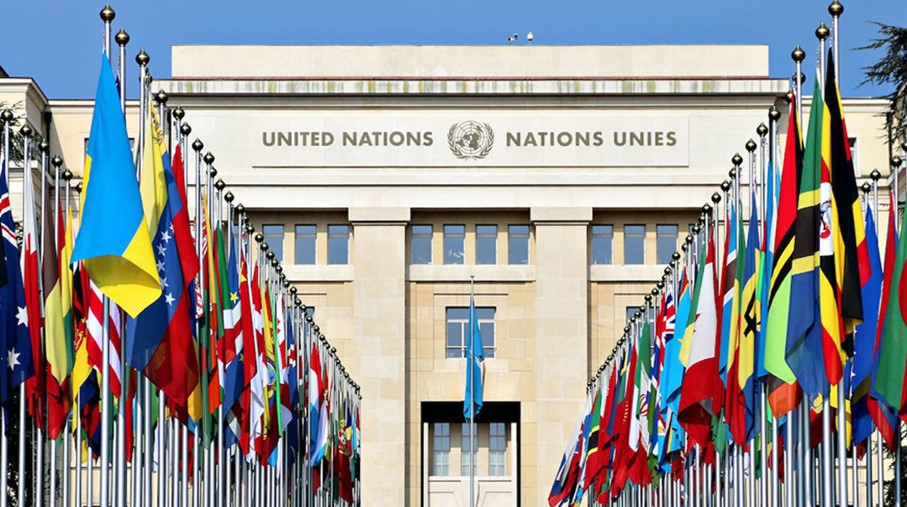
DHAKA, June 2, 2026 (BSS) – Foreign Minister Dr. Khalilur Rahman today won the election for President of the 81st Session of the United Nations General Assembly (UNGA), securing 99 votes and defeating the candidate of Cyprus in a closely contested race.
Rahman was elected at a vote held at the United Nations Headquarters in New York, receiving support from 99 of the 193 UN member states, while the Cypriot candidate secured 91 votes, said a foreign ministry’s statement here.
The government described the victory as a landmark achievement and a reflection of the international community’s confidence in Bangladesh as well as its growing diplomatic stature and constructive role in the multilateral system.
The election marks Bangladesh’s accession to one of the most prestigious positions within the United Nations and is regarded as international recognition of the country’s longstanding commitment to multilateral diplomacy, international peace and security, sustainable development and global cooperation.
The foreign ministry said that the successful outcome reflected the convergence of three key factors- the visionary leadership and timely guidance of Prime Minister Tarique Rahman, the coordinated and intensive diplomatic efforts undertaken by Bangladesh within a limited timeframe, and the extensive experience, professional excellence, and international standing of Dr. Khalilur Rahman.
At the time the BNP-led Government assumed office, less than three months remained before the election.
Despite the limited preparation period, Prime Minister Tarique Rahman took a firm and decisive position in support of Bangladesh’s candidacy.
By nominating Foreign Minister Dr. Khalilur Rahman, he expressed strong confidence that Bangladesh would emerge victorious through focused diplomatic engagement and strategic outreach to Member States.
In this context, Prime Minister Tarique Rahman recalled Bangladesh’s successful election to a non-permanent seat on the United Nations Security Council in 1978.
At that time, under the courageous and visionary leadership of the late President Ziaur Rahman, Bangladesh mounted an effective diplomatic campaign within a short period and prevailed over the then formidable candidate, Japan, to secure its election to the Security Council.
Drawing inspiration from that historic achievement, he had expressed firm confidence from the outset that Bangladesh would similarly succeed in the election for the Presidency of the 81st Session of the General Assembly.
Despite the limited timeframe, the foreign ministry said that Bangladesh carried out an extensive diplomatic outreach campaign involving bilateral meetings, consultations and multilateral engagements with all 193 UN member states.
It said Bangladesh effectively conducted several years’ worth of diplomatic campaigning within a span of only three months, while Cyprus had maintained its candidature and campaign since 2016.
Bangladesh’s campaign was led by Foreign Minister Dr. Khalilur Rahman, State Minister for Foreign Affairs Shama Obaed Islam and Prime Minister’s Adviser on Foreign Affairs Humayun Kabir, with support from Bangladeshi missions abroad.
A major milestone in the campaign came on May 13 when Dr. Khalilur Rahman participated in an interactive dialogue organised by the current President of the General Assembly, Annalena Baerbock, where he presented his vision, priorities and work plan for the UNGA presidency.
The government said the campaign focused on strengthening effective multilateralism, protecting the interests of developing countries, supporting climate-vulnerable nations, advancing the Sustainable Development Goals, promoting UN peacekeeping and amplifying the voice of the Global South.
Following extensive consultations and engagements, nearly 30 member states formally conveyed their support for Bangladesh’s candidature, the release added.
The government expressed profound appreciation to UN member states for their trust and confidence in Bangladesh and reaffirmed its commitment to the purposes and principles of the UN Charter, international peace and security, sustainable development and effective global cooperation.