Wednesday
02 September, 2026
News Flash
News Flash
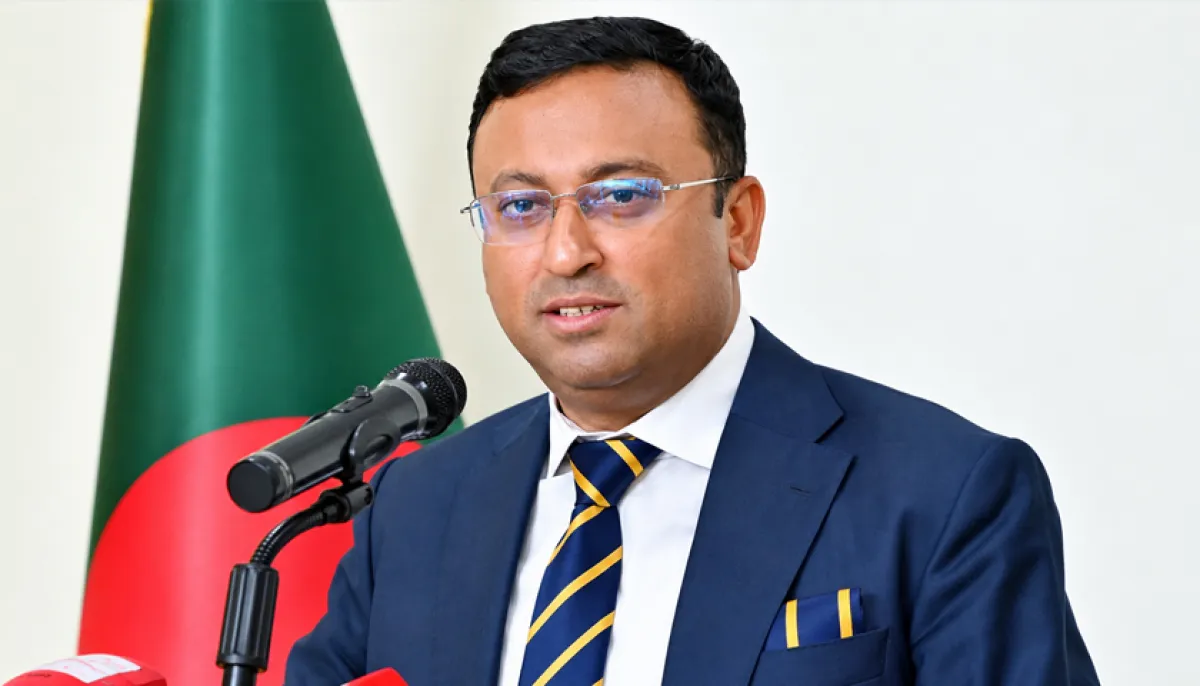
DHAKA, Sept 2, 2026 (BSS) – Bangladesh today renewed its call for de-escalation and a diplomatic resolution to the Middle East conflict, saying the safety and wellbeing of around eight million Bangladeshis living and working across the region remain a paramount concern.
“We have reiterated our call for de-escalation. This has always been our consistent diplomatic position—to seek de-escalation of the conflict,” State Minister for Foreign Affairs Humaiun Kobir told journalists at the Foreign Ministry.
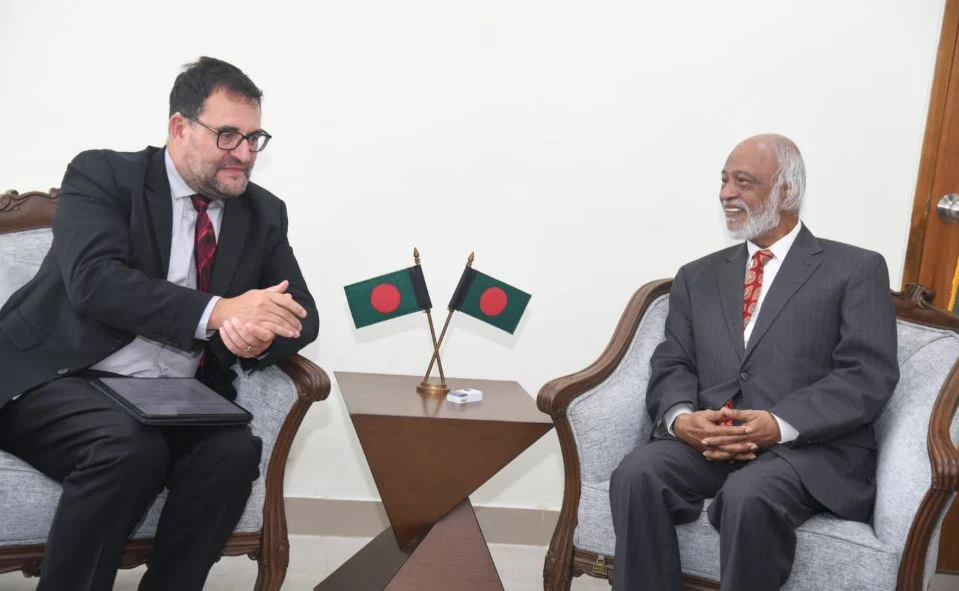
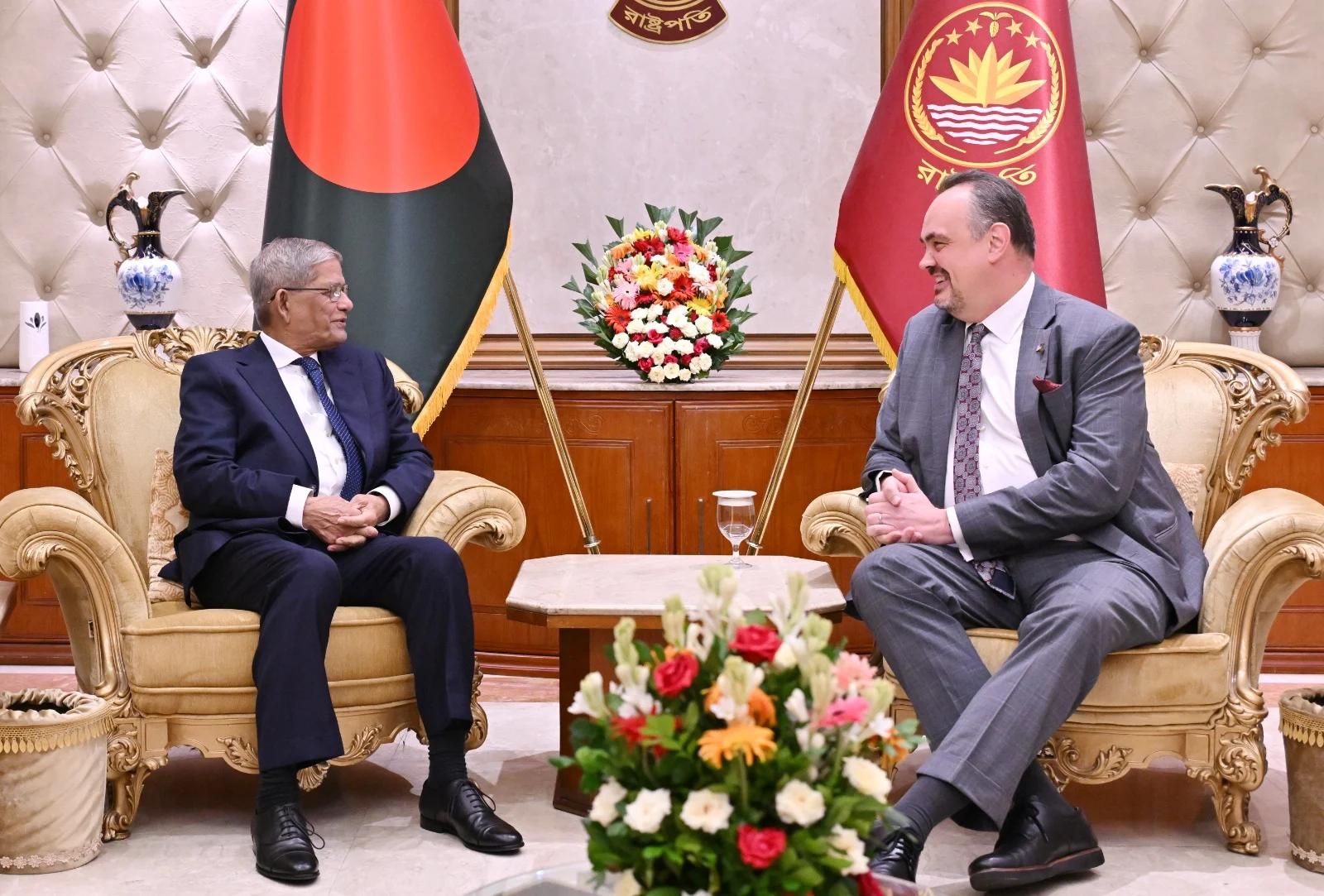
He was briefing the media after Iranian Ambassador to Bangladesh Dr Jalil Rahimi Jahanabadi paid a courtesy call on him and discussed the latest developments in the Middle East alongside bilateral issues.
Kobir said Bangladesh had urged all sides involved in the conflict to engage in dialogue and seek a permanent and peaceful solution through diplomatic means.
“As you know, we have a large diaspora in the Middle East—approximately eight million people of Bangladeshi origin working throughout the region. Their well-being and safety are of paramount importance to us,” he said.
The state minister said Bangladesh and Iran share a long-standing historical relationship, with strong bilateral ties and people-to-people contacts dating back to the early years of Bangladesh’s independence.
He thanked Tehran for its recent assistance in safely evacuating Bangladeshi citizens who had been stranded in the Iranian capital amid regional tensions.
“On behalf of the Honorable Prime Minister, I expressed our gratitude to them and appreciated their supportive initiatives,” Kobir said.
The two sides also discussed Bangladesh’s involvement in security cooperation in the Middle East, including its longstanding maritime cooperation aimed at helping Saudi Arabia address security challenges posed by the Houthis.
Kobir made it clear that Bangladesh’s involvement should not be interpreted as participation in any hostile action against Iran. “Our position is explicit: we do not support, participate in, or call for any aggression or attacks against Iran,” he said.
“Our role is strictly limited to supporting Saudi Arabia in addressing the security challenges posed by the Houthis,” he added.
The state minister said Bangladesh considered such cooperation important given Saudi Arabia’s status as the custodian of the two holy mosques, adding that Iran clearly understood Dhaka’s position.
Responding to a question about disruption to shipping through the Strait of Hormuz, Kobir said keeping the strategic waterway open depended on multiple actors and could not be viewed as the responsibility of any single party.
“Keeping the Strait of Hormuz open is not dependent on just one single party. There are a range of complex issues involved, and multiple actors are engaged in this conflict,” he said.
He said Bangladesh therefore continued to advocate diplomatic engagement within a proper de-escalation framework to resolve the situation.
Kobir said vessels from many countries, not only Bangladesh, had been affected by the disruption.
Dhaka, however, specifically requested Tehran to facilitate and give priority to the movement of Bangladeshi shipments and stranded cargo containers as soon as navigation through the Strait of Hormuz resumes.
“Given our historical relationship with Iran, we expect they will view our request positively and favorably,” he said.
Earlier, a Foreign Ministry press release said Kobir expressed Bangladesh’s hope for an early easing of regional tensions and stressed the importance of lasting peace and stability for the wellbeing of people in the region and beyond.