Wednesday
02 September, 2026
News Flash
News Flash
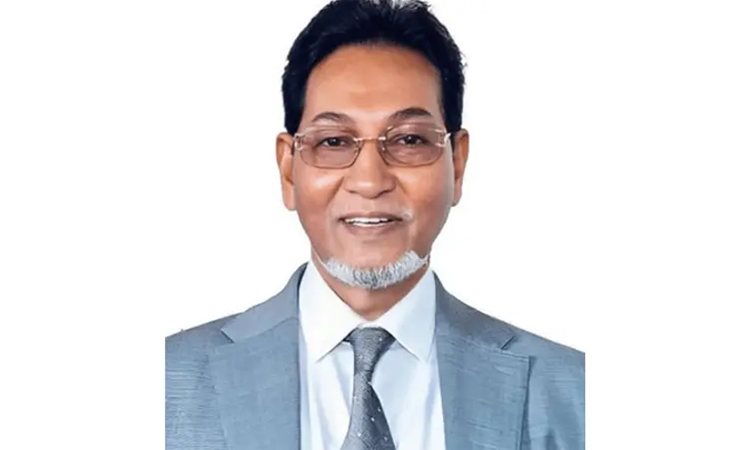
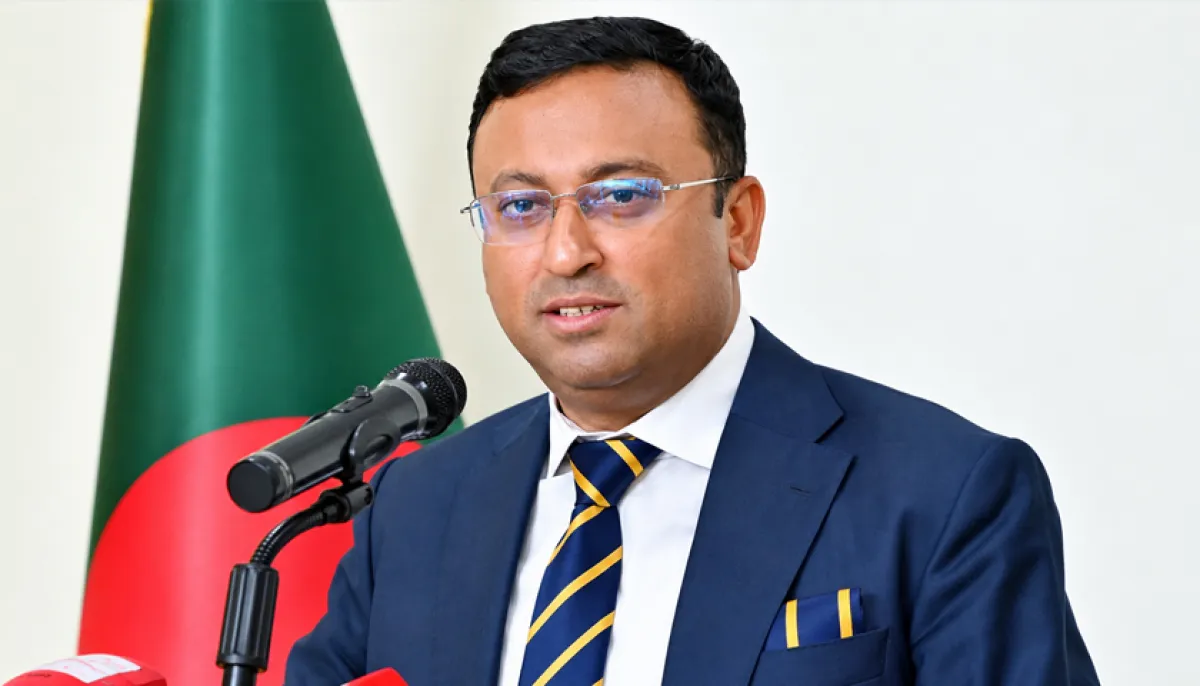
DHAKA, Sept 02, 2026 (BSS) — Bangladesh wants to further strengthen its relations with India based on dignity, mutual respect, understanding and the welfare of the people of both countries, Chief Whip of Jatiya Sangsad Md Nurul Islam Moni said today.
“India is our neighbouring country. We do not ignore any neighbour. We want to develop relations with every country in a manner possible while giving the highest priority to Bangladesh’s interests,” he said.
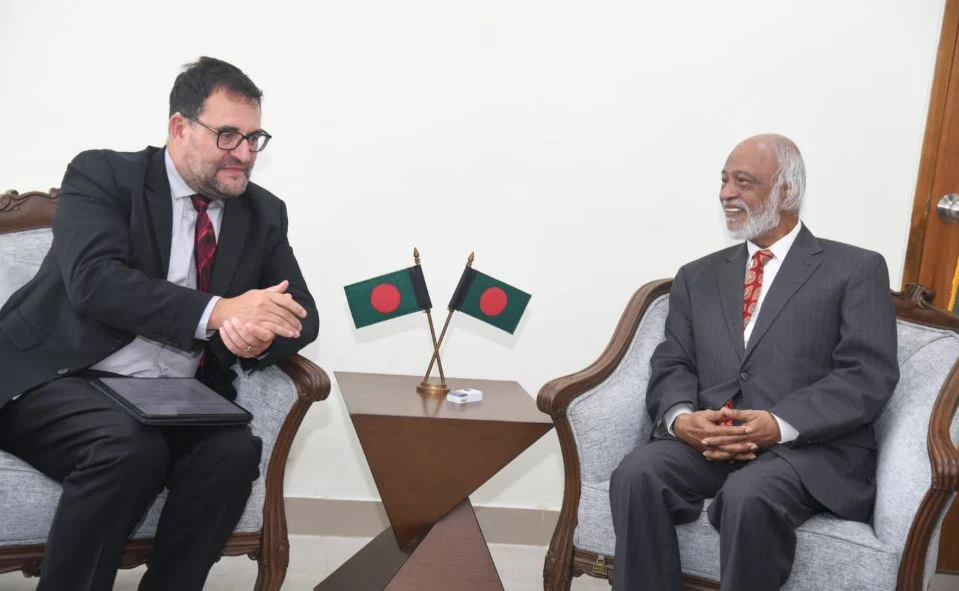
The Chief Whip made the remarks while briefing journalists at the Media Centre of the Jatiya Sangsad following meetings between Speaker Hafiz Uddin Ahmad, Bir Bikrom, Deputy Speaker Barrister Kayser Kamal and Indian High Commissioner to Bangladesh Dinesh Trivedi.
He said Bangladesh is an independent and sovereign state, and relations between the two countries must therefore rest on mutual dignity and respect.
Nurul Islam said the Prime Minister’s stance is not to allow an inch of Bangladesh’s territory to be used against any other country.
Bangladesh, he said, also expects no neighbouring country to allow its territory to be used against Bangladesh.
On Awami League leaders and activists who have taken shelter in India, he said many people who were involved in repression, enforced disappearances, killings, looting and human rights violations over the past 17 years had taken refuge there.
“We expect India, as a democratic country, not to provide shelter or patronage to those accused of crimes against humanity,” he said.
The Chief Whip said Bangladesh expects relations with India to become deeper and more effective in future.
Regarding a possible visit to India by Prime Minister Tarique Rahman, he said the visit would depend on mutual understanding between the two countries and a mutually convenient time for both prime ministers.
“If someone sets a condition that a visit must take place within a specific date, it is embarrassing for an independent country,” he said.
On water-sharing issues, particularly the distribution of water from the 54 common rivers, Nurul Islam said Bangladesh, as a lower-riparian country, had faced water-related difficulties for a long time.
He said Bangladesh expects India’s cooperation in managing the common rivers, including the Teesta water-sharing issue.
“We want India to come forward to resolve these issues from its own position. Water is a basic necessity for people. The issue should be resolved from a humanitarian perspective,” he said.
On deaths along the border, the Chief Whip described the killing of Bangladeshi citizens as extremely unfortunate.
He said the lives of all people living in Bangladesh are equally important, irrespective of their religion.
He expressed hope that India would take more effective measures to stop loss of lives along the border.
Regarding the proposal to form a parliamentary friendship group with India, Nurul Islam said Bangladesh had no objection to forming such a group to increase communication and mutual cooperation among lawmakers of the two countries regardless of political affiliation.
He said the two countries had such parliamentary friendship committees in the past and could exchange experience in parliamentary activities.
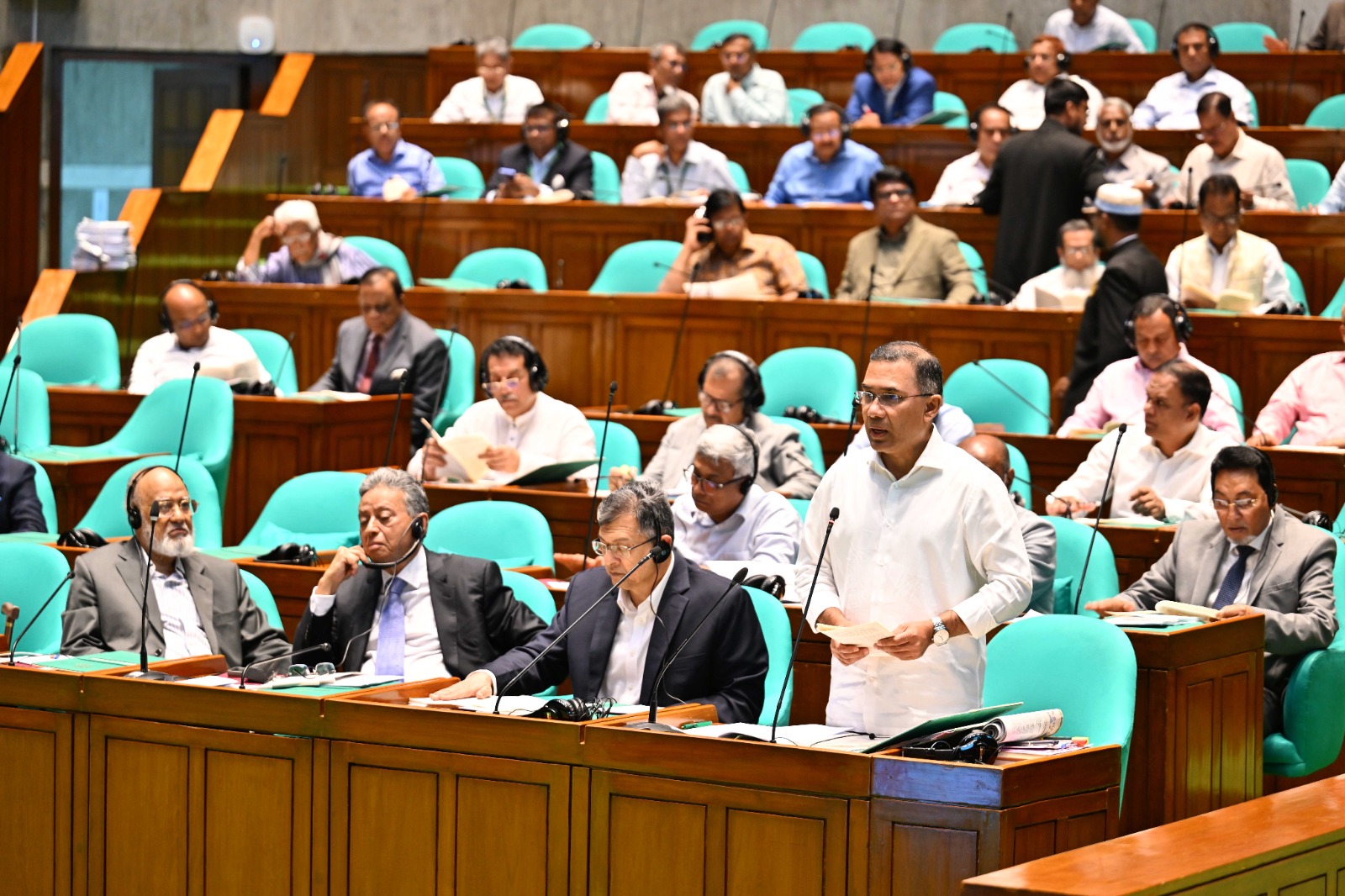
On objections from the opposition to the bills on the National Human Rights Commission and prevention of enforced disappearances, the Chief Whip said those opposing any bill should identify specific reasons for their objections.
“I am trying to bring the best possible bills with my knowledge and judgement. If anyone thinks there is a problem, let them identify the specific problem. We can discuss it and make necessary amendments,” he said.
He said lawmakers have sufficient scope to discuss the bills placed before Parliament and urged the opposition and other stakeholders to participate in the discussions with a positive attitude.
Nurul Islam said differences of opinion would remain in a democracy, but Parliament should try to resolve such differences through parliamentary discussions.
He stressed transforming Parliament into the centre of debate and exchange of views instead of relying on street confrontations or movements.
“People’s opinions about the country will develop through parliamentary activities. Government and opposition members will express their views in Parliament, and the people will see and hear them and form their own opinions,” he said.
The Chief Whip also urged the media to play an objective and responsible role in strengthening democracy for future generations.
He said all stakeholders must work together to advance the democratic process in Bangladesh.
“Even when differences of opinion exist, our common goal should be to find solutions through constructive discussions in the national interest,” he added.